
Flowers
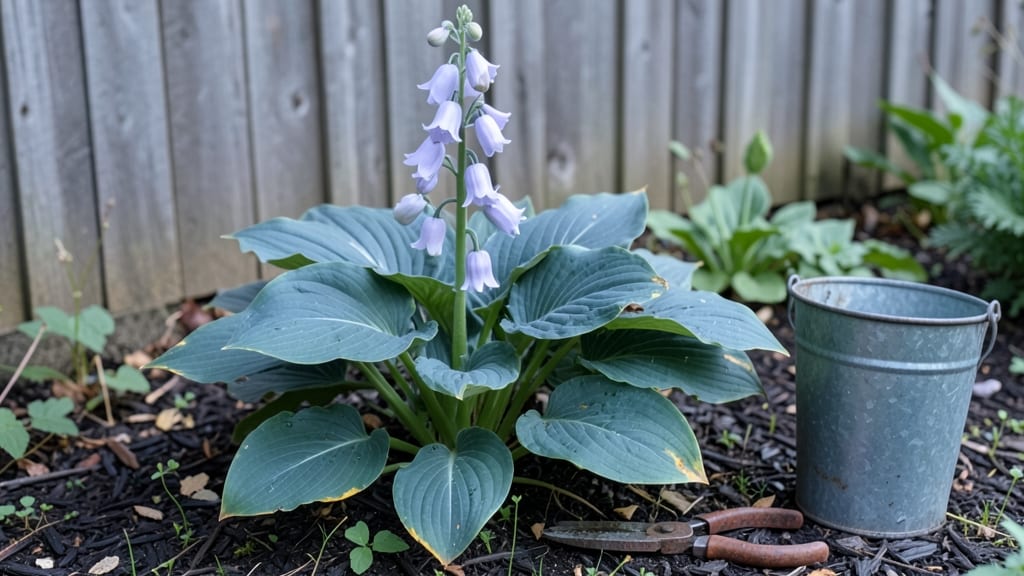
Cutting hosta flowers at the right time turns your garden into a double harvest—lush foliage and delicate, edible blooms for salads or garnishes. ✨ The key is timing: snip them just as buds open but before they fully bloom, and you’ll preserve both the plant’s energy and your kitchen’s flavor.
I learned this the hard way after over-cutting my first year and watching my hostas struggle to rebloom.
You only need a pair of clean, sharp scissors or pruners—no fancy tools required. Cut the flower stalk about an inch above the first set of leaves, and avoid taking more than a third of the plant’s foliage at once.
This keeps your hostas happy and encourages next year’s blooms. The flowers taste mild, almost like asparagus, so use them sparingly in dishes where they’ll shine.
After cutting, rinse the blooms gently and use them within a day or two for peak freshness. Store them in a damp paper towel in the fridge if you’re not using them immediately.
Your hostas will bounce back with new growth in just a few weeks, and if you leave a few blooms to go to seed, you might even get baby hosta plants popping up around your garden next spring.
This method works for all hosta varieties, whether you’re growing them in shade gardens, woodland borders, or even containers. The secret to long-term success? Balance—cut thoughtfully, and your hostas will reward you with years of both beauty and bounty. Ready to try it?
📚 In This Guide
- What you need
- Instructions
- Tips and common mistakes
- Wrapping up and next steps
What you need
- ● Fresh hosta flowers: Choose Hosta spp. with fully open blooms (avoid those treated with pesticides or near high-traffic areas). Quantity: 1–2 blooms per serving (or as needed for decor).
- ● Sharp pruning shears or clean kitchen scissors: Specs: Stainless steel, sterilized with rubbing alcohol (to prevent bacterial transfer).
- ● Glass or ceramic bowl: For rinsing (food-grade only if edible). Size: Large enough to submerge blooms.
- ● Cold water: Temp: 40–50°F (chilled water preserves color and texture).
- ● Paper towels or clean kitchen towel: For gentle drying.
- ○ Optional: Edible flower syrup (1 tbsp honey + 2 tbsp water, heated and cooled) for glaze.
- ● Positive ID confirmation: Only harvest Hosta spp. (e.g., H. plantaginea, H. sieboldiana). ⚠️ Warning: Some look-alikes (like lily-of-the-valley) are toxic!
- ● Pesticide-free zone: Avoid flowers from gardens treated with fungicides or herbicides (wait 30+ days post-application).
- ● Allergy check: Test a small amount of a bloom on your skin/lip before consuming (some may cause mild irritation).
- ● Timing: Harvest in the early morning when blooms are at peak freshness.
- ● Floral preservative: 1 tsp white vinegar + 1 tsp sugar per cup of water (extends vase life by 3–5 days).
- ● Edible glitter or gold leaf: For decorative dishes (ensure food-safe brands).
- ● Small sieve: For straining petals into cocktails or teas.
How to harvest and use hosta flowers in your garden
Here’s how I turn those delicate blooms into both garden highlights and kitchen treats.
🌿 Step 1: Identify the Right Time to Cut
Wait until the flowers fully open but haven’t yet started to fade—this is when they’re most vibrant and flavorful. Look for buds that have just unfurled their petals; these will be at their peak. I usually check in mid-to-late summer when hostas typically bloom. Avoid cutting flowers that have wilted or show signs of browning at the edges.
Morning is the best time to harvest. Flowers cut in the cool morning hours stay fresher longer and retain their color better. If you’re harvesting for culinary use, pick flowers that are fully open but haven’t been exposed to heavy dew or rain—this keeps them crisp and clean.
✂️ Step 2: Cut Flowers Properly for Longevity
Use sharp, clean pruning shears or scissors to make a clean cut just above a set of leaves or a leaf node. This prevents damage to the plant and encourages new growth. I like to angle the cut slightly to increase the surface area for water absorption if I plan to use them in arrangements.
Leave about 1-2 inches of stem attached to the flower cluster. This extra length helps with handling and arranging, whether you’re placing them in a vase or preparing them for cooking. Be gentle when handling the blooms—they’re delicate and can bruise easily, which shortens their lifespan.
💧 Step 3: Prepare Flowers for Immediate Use or Storage
If you’re using the flowers right away, give them a quick rinse under cool water to remove any dirt or insects. Pat them dry gently with a paper towel—don’t rub, or you’ll damage the petals. For culinary use, you can remove any green or brown parts of the flower, but the petals themselves are perfectly edible and add a mild, slightly sweet flavor.
For longer storage, place the cut flowers in a container of lukewarm water (around 65-70°F) and refrigerate. They’ll stay fresh for up to 5-7 days this way. If you’re not using them immediately, you can also dry them by hanging small bundles upside down in a dry, dark place for about 1-2 weeks until fully crisp.
☀️ Step 4: Use or Preserve Your Harvested Blooms
For garden use, place freshly cut hosta flowers in a vase with 1-2 inches of water and a pinch of sugar to help preserve their color. Change the water every 2-3 days to keep them looking fresh. Hostas make beautiful additions to bouquets, especially when paired with other delicate flowers like asters or daisies.
In the kitchen, hosta flowers add a unique visual and flavor element to salads, garnishes, or even infused sugars and syrups. Their mild, slightly sweet taste pairs well with berries, citrus, or honey. Just be sure to harvest flowers from organic, pesticide-free plants if you plan to eat them.
Tips & tricks for perfect hosta flower harvesting
These little details make all the difference between flowers that wilt quickly and ones that stay vibrant for days.
Timing is Everything: I can't stress this enough—morning is the absolute best time to harvest. The cool temperatures help preserve moisture, and flowers haven't had a chance to wilt from the day's heat. If you're harvesting for culinary use, wait until those petals are fully unfurled but still firm to the touch. The difference in flavor and texture is noticeable if you pick them too early or too late.
Cutting Technique Matters: That 1-2 inch stem length in Step 2 isn't just random—it's crucial for both handling and longevity. When arranging flowers, the extra length gives you room to work without damaging the delicate blooms. For culinary use, this stem length makes it easier to tie them into bundles for drying. And here's what nobody tells you: angle your cut slightly upward. This creates a larger surface area for water absorption, which keeps your flowers fresher longer.
Storage Secrets: The lukewarm water (around 70°F) in Step 3 isn't just any water—it's the perfect temperature to prevent shock to the delicate stems. Too hot and you'll cook them, too cold and you'll restrict water uptake. For maximum freshness, add a drop of white vinegar to the water (about 1 teaspoon per quart). It's subtle but helps preserve color and prevents bacterial growth. Trust me on this—it makes a difference!
Culinary Confidence: Don't be intimidated by using hosta flowers in cooking! Their mild, slightly sweet flavor pairs beautifully with berries, citrus, or honey. For infused sugars, pack dried hosta flowers into a jar with sugar and let sit for 24 hours. The result is perfect for garnishing desserts or brightening cocktails. Just remember: always harvest from organic, pesticide-free plants if you plan to eat them—this is non-negotiable for food safety.
Pro Tips for Cut Hosta Flowers
- These little details make all the difference between flowers that wilt quickly and ones that stay vibrant for days.
- Timing is Everything: I can't stress this enough—morning is the absolute best time to harvest.
- Cutting Technique Matters: That 1-2 inch stem length in Step 2 isn't just random—it's crucial for both handling and longevity.
Frequently asked questions
Got questions about cutting hosta flowers? Here’s what gardeners and chefs often wonder—plus easy answers to help you enjoy these edible blooms with confidence!
When’s the best time to cut hosta flowers?
Harvest hosta blooms in the early morning when they’re fully open but still cool. This ensures the best flavor and texture—plus, you’ll avoid wilting from midday heat. If blooms are still budding, wait a day or two for them to unfurl fully before cutting.
Can I cut hosta flowers for cooking, or are they only for decor?
Hosta flowers are fully edible and add a mild, slightly sweet flavor to salads, teas, or even candied treats. Just remove the tough outer petals if needed, and rinse gently before using. Their unique texture works great in floral garnishes too!
How do I make cut hosta flowers last longer in water?
To extend their freshness:
- Trim stems at a 45-degree angle to improve water absorption.
- Use cool, filtered water and add a flower preservative (like household bleach diluted 1:10).
- Keep them in a shady, draft-free spot away from direct sunlight.
Why are my hosta flowers turning brown or wilting quickly?
Browning or wilting often happens due to:
- Overwatering—hostas prefer moist but not soggy soil.
- Sunburn—if exposed to harsh afternoon sun after cutting.
- Old age—some varieties wilt naturally after 3–5 days.
Are there any hosta varieties that aren’t safe to eat?
Most hostas are non-toxic and edible, but:
- Stick to cultivars labeled as “edible” (like ‘Blue Angel’ or ‘Francee’) for safety.
- Avoid wild or unknown varieties—some may have mild toxins.
- Always wash thoroughly to remove pesticides or dirt.
Wrapping up and next steps
Cutting hosta flowers isn’t just about aesthetics—it’s a delicious and rewarding way to blend beauty with function in your garden and kitchen! 🌿 Whether you’re harvesting for culinary experiments, preserving blooms, or simply enjoying their unique charm, these edible flowers offer endless possibilities.
Now that you’re equipped with the know-how, go ahead and experiment—your taste buds (and garden) will thank you!
Next steps:
- 🌱 Plant more hostas! Expand your garden with varieties like Hosta 'Blue Angel' or 'Halcyon' for extra blooms.
- 📖 Try a recipe. Whip up hosta flower fritters or garnish salads—your creativity is the limit!
- 🤝 Share your harvest. Inspire friends with your edible garden adventures!