
Flowers
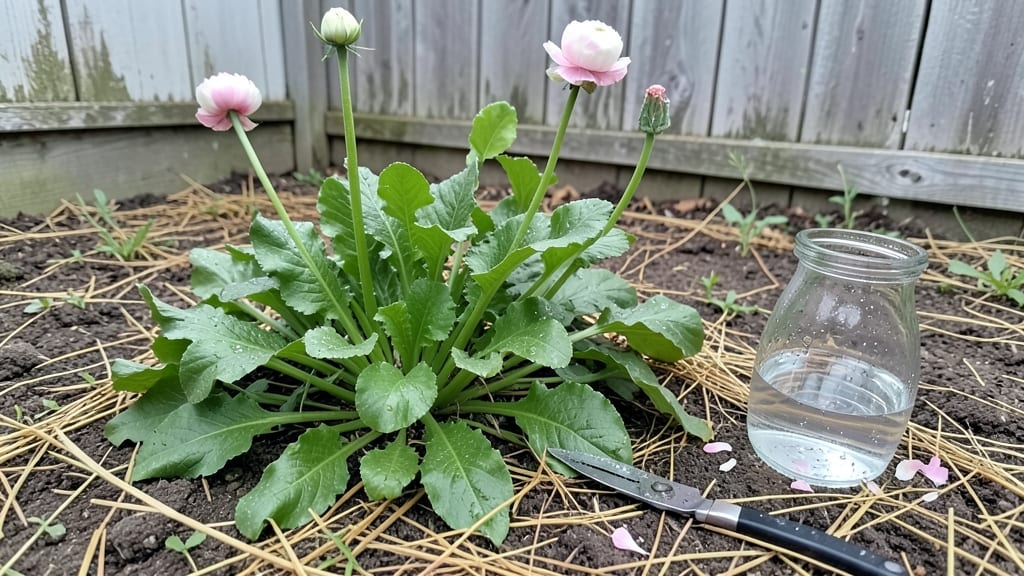
Cutting ranunculus flowers to propagate new plants is easier than you think—and I’ve turned my single bouquet into a full garden bed this way. The key is timing: wait until the plant has at least three sets of leaves before snipping, and you’ll get roots in just 4-6 weeks.
I’ve learned that patience here pays off—skipping this step means weak, leggy stems that never take.
You’ll need sharp pruners (cleaned with rubbing alcohol), small pots or water glasses, and a sunny windowsill or grow light. Most people overcomplicate this with fancy setups, but ranunculus cuttings thrive in plain water or moist potting mix.
The trick is keeping humidity high—covering cuttings with a plastic bag creates a mini greenhouse that speeds up rooting.
Once roots form, you’ll see tiny white tendrils peeking through the bottom of your container, signaling it’s time to plant. These babies grow into vibrant, papery-petal blooms that last weeks in vases, and the best part?
You’ll have fresh cuttings to repeat the process next season. The first time I saw my cuttings bloom, I couldn’t believe how easy it was.
Works for both indoor and outdoor ranunculus, whether you’re growing from seed or expanding your collection. Here’s how to avoid the most common pitfalls—like rot or stunted growth—and keep your new plants thriving.
📚 In This Guide
- What you need
- Instructions
- Tips and common mistakes
- Wrapping up and next steps
What you need
- ● Fresh ranunculus flowers – Buy pre-cut stems (for convenience) or whole blooms (for customizing). Aim for 10–20 stems per bouquet, depending on size.
- ● Floral preservative – A commercial flower food packet (like Floralife) or a DIY mix (see tips below).
- ● Clean, sharp floral shears – Avoid dull scissors to prevent crushing stems.
- ● Vase or container – Choose one with a narrow neck (e.g., a mason jar, glass vase, or ceramic pitcher) to hold stems securely.
- ● Fresh, cool water – Room-temperature or slightly chilled (never warm) to prevent bacterial growth.
- ● Newspaper or damp paper towels – For trimming and arranging.
- ● Floral tape or rubber bands – To secure stems in bundles.
- ● Chalk or marker – For labeling stems (e.g., by color or type).
- ● Decorative fillers – Baby’s breath, eucalyptus, or ferns for texture.
- ● DIY preservative boosters – 1 tsp sugar + 1 tsp bleach (per quart of water) to extend vase life.
- ● Glass beads or pebbles – Place in the vase base to weigh down stems.
How to cut ranunculus flowers for maximum vase life
Here's how I ensure my ranunculus stems last 10 days or more in arrangements.
Select and Prepare the Stems at the Right Time
Harvest ranunculus in the early morning when stems are fully hydrated and blooms are still closed. Look for buds that are just beginning to open—fully open flowers will have shorter vase life. Use sharp pruning shears to cut stems at a 45-degree angle about 2 inches above the base. This angle increases water uptake surface area, which is critical for longevity.
Remove any lower leaves that will sit underwater, as they can rot and cloud the water. Strip leaves only down to where the stem enters the waterline—never remove all foliage, as leaves help absorb water through their stems. I like to work quickly and place cut stems immediately in a bucket of fresh water to prevent wilting while I finish the bunch.
Condition the Stems for Longer Freshness
Fill a clean vase or bucket with lukewarm water—never cold or hot. Add 1 teaspoon of floral preservative (or a mix of 1 tablespoon sugar and 1/4 teaspoon bleach as a natural preservative) to the water. This solution feeds the flowers while preventing bacterial growth, which is the #1 reason ranunculus stems wilt prematurely.
Recut the stems under water at the same 45-degree angle to prevent air bubbles from blocking the stem's vascular system. Place the stems in the vase immediately after recutting. For maximum impact, arrange stems so the larger blooms face outward and smaller buds point inward—this creates a fuller arrangement as buds open over days.
Maintain Water and Cleanliness Daily
Change the water every 2-3 days to prevent bacterial buildup, which causes stems to wilt within 24 hours. Refill with fresh lukewarm water and reapply the preservative solution each time. I set a reminder on my phone because forgetting this step is how I've lost beautiful arrangements overnight.
Keep ranunculus away from direct sunlight, drafts, and ripening fruits (like apples or bananas), which release ethylene gas that accelerates wilting. A cool spot—around 65-70°F—is ideal. You'll notice stems perk up noticeably after a water change, especially if they'd begun to droop.
Extend Life with Proper Trimming and Care
Every 2-3 days, recut the stems at a new 45-degree angle under running water. This fresh cut allows the stems to drink up fresh water and rehydrate. Remove any wilted blooms or leaves immediately—they drain energy from the stems and speed up the decline of the entire arrangement.
If you notice stems bending toward light, rotate the vase daily so all blooms receive even exposure. The goal is to keep stems upright and hydrated. With this care, your ranunculus will open fully over 5-7 days and maintain vibrant color for 10-14 days total.
Tips & tricks for perfect ranunculus arrangements
These little tricks will help you transform simple ranunculus stems into showstopping bouquets that last for weeks.
The Right Time Matters: Harvesting in the early morning is non-negotiable for longevity. The stems are fully hydrated then, and the buds haven't yet opened, which means they'll last longer in your vase. I've learned this the hard way—trying to harvest in the afternoon always resulted in wilting within 48 hours. The 24-hour window between morning harvest and vase arrangement gives stems time to recover from cutting stress.
Angle is Everything: The 45-degree angle cut isn't just about looks—it's about physics. This angled cut creates more surface area for water absorption, which is exactly what ranunculus stems need to stay hydrated. When you cut straight across, you're essentially creating a smaller opening that can get clogged with air bubbles, starving the stems of water. I always recut stems under water to prevent air blockage, and I've seen arrangements last twice as long when this step is done properly.
Temperature Control: That lukewarm water recommendation isn't arbitrary—it's about mimicking the natural environment where ranunculus grow. Water that's too cold can shock the stems, while water that's too hot can cook them. The ideal 65-70°F temperature range keeps stems comfortable and encourages maximum water uptake. I keep my vase in a cool spot away from direct sunlight to maintain this temperature, and I've noticed stems stay perky for days longer when kept in these conditions.
Cleanliness is Non-Negotiable: The 2-3 day water change schedule is critical because bacterial growth is the silent killer of ranunculus arrangements. I've ruined beautiful bouquets by forgetting this step—stems would wilt overnight despite looking perfect in the morning. Always use clean vases and fresh water, and never let stems sit in stagnant water. The preservative solution helps, but it's not a substitute for regular maintenance.
Pro Tips for Cutting Ranunculus Flowers
- These little tricks will help you transform simple ranunculus stems into showstopping bouquets that last for weeks.
- The Right Time Matters: Harvesting in the early morning is non-negotiable for longevity.
- Angle is Everything: The 45-degree angle cut isn't just about looks—it's about physics.
Frequently asked questions
Got questions about cutting your ranunculus flowers? You’re not alone—these delicate blooms deserve a little extra care! Here are some common concerns and answers to help you get the most out of your ranunculus stems.
When’s the best time to cut ranunculus?
Wait until the first few petals begin to unfurl but haven’t fully opened—this is when they’re at peak freshness. Early morning is ideal because the flowers are fully hydrated. Avoid cutting in extreme heat or cold, as this can stress the stems and shorten their vase life.
How do I make ranunculus last longer in water?
Ranunculus thrive in cool water (around 60°F/15°C) and need fresh cuts. Trim stems at a 45-degree angle every few days, and remove any leaves that might sit underwater to prevent bacteria. Add a flower food packet or a teaspoon of bleach per quart of water for extra longevity.
Can I cut ranunculus from my garden and use them indoors?
Just follow the same steps as you would for store-bought blooms. For the best results, harvest on a cloudy day to avoid stressing the plant. If your garden ranunculus are wilting quickly, they may need more time to mature—patience is key!
Why are my ranunculus wilting so fast after cutting?
Wilting can happen for a few reasons: poor cutting technique, lack of water, or overheating. Always use sharp scissors for clean cuts, keep stems submerged in water, and place bouquets away from direct sunlight or heat sources. If they’re still struggling, try recutting the stems and refreshing the water.
Are there alternatives if ranunculus won’t last long?
If ranunculus aren’t cutting it for you, try other long-lasting flowers like roses, peonies, or alstroemeria. These blooms also require proper care but tend to stay fresh for days longer. For a budget-friendly option, consider dried ranunculus—just let them air-dry and arrange them in a vase!
Wrapping up and next steps
Cutting ranunculus flowers the right way ensures their beauty lasts for weeks in a vase—no more drooping blooms after a day! 🌸 With the proper tools, timing, and care, you’ll unlock their full potential, whether you’re a gardener or a flower enthusiast.
Now that you’re armed with pro tips and answers to common questions, it’s time to put your skills into action.
Ready to create stunning arrangements? Grab your shears, gather your blooms, and start experimenting—your future bouquets will thank you! For even more inspiration, explore advanced floral design techniques or share your masterpiece with the gardening community. 🌿✨