
Pruning
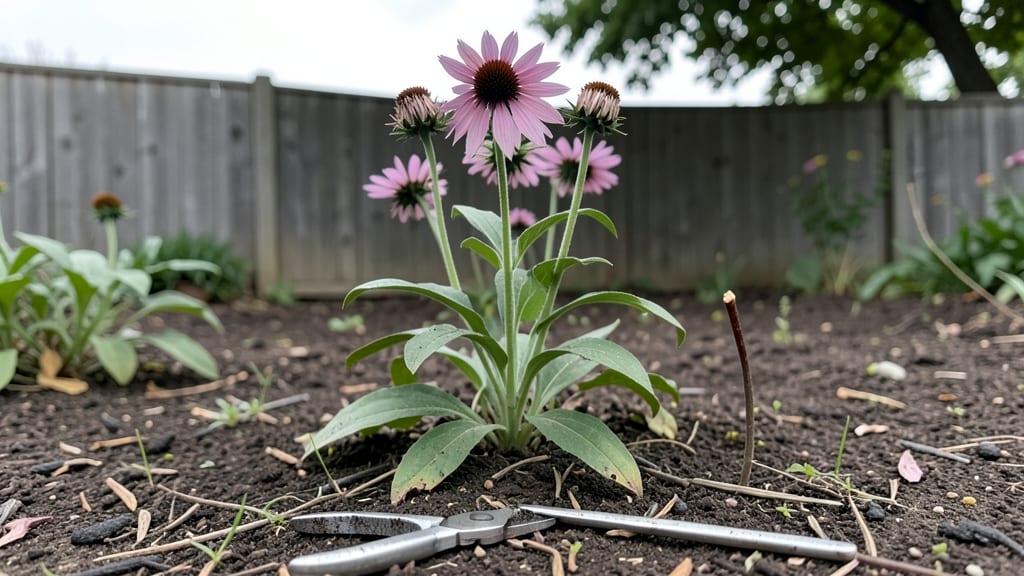
Pruning perennial flowers isn't just about cutting back—it’s the secret to unlocking next year’s showstopping blooms. I’ve spent years watching my peonies and coneflowers go from straggly to lush just by timing cuts right, and the difference is night and day.
You’ll need sharp pruners, gloves, and a clear plan—some plants bloom on old wood, others on new growth, and mixing them up means fewer flowers. The key is knowing when: late winter for most, but spring for early bloomers like bleeding hearts.
A little prep now saves hours of cleanup later.
By summer, you’ll see the payoff—fuller stems, more blooms, and plants that look like they just stepped out of a catalog. The right cuts encourage bushier growth, and you’ll spend less time wrestling with overgrown messes. Think of it as a spa day for your perennials.
Works for everything from daylilies to lavender, and the same principles apply whether you’ve got a small border or a full garden bed. Let’s get those shears ready—your plants will thank you for years.
📚 In This Guide
- What you need
- Instructions
- Tips and common mistakes
- Wrapping up and next steps
What you need
- ● Pruning shears: Bypass pruners (sharp, 5-7 inches) for clean cuts on smaller stems.
- ● Pruning saw: For thicker stems (½ inch or larger). Opt for a curved-tooth saw to avoid crushing.
- ● Garden gloves: A pair of cut-resistant, breathable gloves to protect your hands from thorns and sharp edges.
- ● Disinfectant (70% isopropyl alcohol or bleach solution): Clean tools between cuts to prevent disease spread.
- ● Garden kneeler or stool: For comfort, especially when working close to the ground.
- ● Trash bags or bucket: For collecting pruned debris (1-2 large bags or a 5-gallon bucket with a lid).
- ○ Compost bin or pile: Optional, for repurposing healthy clippings.
- ○ Mulch (optional): Shredded bark or straw to protect roots after pruning.
- ○ Plant markers (optional): If you’re pruning multiple varieties, label them to avoid confusion.
- ● First-aid kit: Just in case—thorns and tools can be sneaky!
- ● Check the pruning season for your specific perennials (early spring, late winter, or early fall are common).
- ● Identify dead, diseased, or crossing branches before starting.
- ● Have a clear, sunny day with mild weather to avoid stressing the plants.
Instructions for pruning perennial flowers like a pro
Here's how I keep perennials blooming abundantly year after year—no guesswork, just proven timing and technique.
Identify Your Perennial Types and Their Pruning Seasons
Not all perennials bloom at the same time, so their pruning schedules differ dramatically. I group mine into three categories: early bloomers (like hellebores), mid-season bloomers (like black-eyed Susans), and late-season bloomers (like asters). Early bloomers need minimal pruning—just remove dead foliage after flowering. Mid-season bloomers get their first pruning in early spring, while late bloomers wait until late winter or early spring.
Here's the thing—if you prune too early on late bloomers, you'll cut off next year's flower buds. I always check the plant's growth habit first. For example, peonies need zero pruning except for removing dead stems, while coneflowers can be cut back by half in early spring. Grab your pruning shears and a notebook to jot down which plants belong in each category.
Time Your Pruning Based on Plant Growth Cycles
The golden rule is to prune after a plant has finished blooming for the season. For most perennials, that means late summer or early fall. I wait until the foliage starts to yellow or the stems turn brown—these are clear signals the plant has completed its flowering cycle. For spring-blooming perennials like bleeding heart, I prune right after flowering, usually in May or June.
If you're unsure when a plant blooms, observe it for a season first. You'll notice that some perennials, like daylilies, put up flower stalks in early summer and then produce a second flush later. In this case, I only cut back the dead foliage after the final blooms fade. Never prune when buds are still forming—you'll sacrifice next year's flowers.
Use the Right Tools and Technique for Clean Cuts
Sharp, clean pruning shears are non-negotiable. I always sterilize my tools with rubbing alcohol before switching between plants to prevent disease spread. For larger stems, I use loppers, and for thick woody growth, a pruning saw. When making cuts, aim for just above a leaf node or bud at a 45-degree angle. This encourages new growth and prevents water from pooling on the cut.
I never prune more than one-third of the plant's foliage at once. This prevents shock and allows the perennial to recover quickly. For example, if a coneflower has grown too leggy, I trim back the tallest stems by half, leaving the shorter ones intact. Always step back and assess the plant's shape—you want to maintain an open, airy structure that allows sunlight and air to circulate.
Clean Up Debris and Fertilize for Next Season's Growth
After pruning, remove all dead foliage and spent blooms from the garden bed. I collect these in a compost bin or dispose of them in yard waste—never leave old plant material on the soil surface, as it can harbor pests and diseases. For perennials that benefit from division, like daylilies or hostas, this is also the time to dig up clumps and separate them into smaller sections for replanting.
Once the cleanup is done, I add a layer of 2-3 inches of mulch around the base of the plants. This helps retain moisture, regulate soil temperature, and suppress weeds. I also apply a balanced, slow-release fertilizer in early spring to give the perennials a nutrient boost for the growing season ahead. Avoid heavy fertilizers in late summer—they encourage tender new growth that won't survive winter.
Adjust for Climate and Plant Health
Your local climate plays a huge role in pruning timing. In colder regions, I delay pruning until late winter or early spring to protect plants from harsh winds and freezing temperatures. In milder climates, I can prune later into fall. Always check the plant's hardiness zone and growth habits—some perennials, like lavender, need minimal pruning and thrive with a more natural look.
If a perennial looks stressed or diseased, I take extra care. For example, if powdery mildew appears on phlox, I prune out the affected stems immediately and treat the plant with a fungicide. Healthy perennials bounce back quickly, but stressed plants need gentle handling. Watch for signs of new growth in spring—that's your reward for a job well done.
Tips & tricks for pruning perennial flowers
These practical tips will help you avoid common mistakes and keep your perennials thriving year after year.
Plant Identification is Key: I can't stress enough how important it is to research or observe each perennial's blooming cycle before pruning. For example, hellebores bloom in early spring, so I only remove their dead foliage after flowering—never cut them back in fall. Create a simple chart listing your perennials by bloom time and growth habit. This prevents accidental pruning of next year's buds, especially with late-season bloomers like asters. I keep mine organized by color-coding my pruning schedule notebook.
Timing Secret: The "after blooming" rule in Step 2 is crucial, but here's what nobody tells you—some perennials like daylilies produce multiple flushes of blooms. I wait until the final flowers fade completely and the foliage starts yellowing before pruning. For spring bloomers like bleeding heart, I mark their flowering dates on my calendar so I never accidentally prune too early. If you're unsure, observe the plant for one full season before committing to a pruning schedule.
Tool Technique: When making cuts at a 45-degree angle in Step 3, I focus on two things: clean cuts and proper placement. Always cut just above a leaf node or bud to encourage new growth from that point. For woody stems, I use my pruning saw and make the cut slightly outward from the branch collar. This prevents water from pooling and causing rot. I also keep my tools razor-sharp—dull blades crush stems instead of making clean cuts, which stresses the plant.
Recovery Strategy: After pruning, I never remove more than one-third of the foliage at once, as mentioned in Step 3. For leggy perennials like coneflowers, I focus on removing the tallest stems first to maintain an open structure. I also avoid pruning in extreme heat or cold—early morning or late afternoon is ideal. Water deeply after pruning to help the plant recover. I've learned this the hard way after seeing perennials struggle when pruned during heatwaves.
Pro Tips for Pruning Perennial Flowers
- These practical tips will help you avoid common mistakes and keep your perennials thriving year after year.
- Plant Identification is Key: I can't stress enough how important it is to research or observe each perennial's blooming cycle before pruning.
- Timing Secret: The "after blooming" rule in Step 2 is crucial, but here's what nobody tells you—some perennials like daylilies produce multiple flushes of blooms.
Frequently asked questions
Got questions about pruning perennial flowers? You’re not alone—let’s clear up the confusion with these common queries and expert-friendly answers!
When’s the best time to prune perennials?
The ideal timing depends on the plant! Most perennials benefit from a light trim in early spring (before new growth sprouts) or late fall (after the first frost). Blooming perennials (like coneflowers or black-eyed Susans) should be pruned right after they finish flowering to encourage next year’s blooms. Always check your plant’s specific needs—some, like peonies, prefer a late-winter cut.
Can I prune perennials in summer?
Summer pruning is risky but possible for a few select perennials! If your plant has finished blooming (e.g., daylilies or bee balm), you can trim up to one-third of the foliage to encourage bushier growth. Never prune active bloomers—this can stress the plant and reduce next season’s flowers. If unsure, wait until fall or next spring!
What if I prune my perennials too late?
Don’t panic! If you missed the window, trim back dead or leggy growth in early spring—just avoid cutting into healthy wood. Focus on removing frost-damaged stems and thinning crowded areas. For perennials that bloom on new wood (like Russian sage), late pruning won’t hurt; just avoid drastic cuts that expose bare stems.
How do I prune perennials that keep coming back too aggressively?
Overgrown perennials? Start with a “haircut”—cut back one-third of the plant in early spring to reset growth. For stubborn spreaders (like mint or mint-family perennials), divide and relocate clumps every 2–3 years. Use sharp shears to cut just above a healthy set of leaves or buds. Water well afterward to help recovery!
What if my perennials don’t bloom after pruning?
No blooms? Check these fixes:
- Timing: Did you prune after flowering? Some perennials (like lavender) need a hard cut after blooming to rebloom.
- Fertilizer: Add balanced fertilizer in spring to boost energy.
- Sunlight: Ensure they’re getting 6+ hours of sun—shade can reduce blooms.
- Deadhead: Remove spent blooms regularly to encourage repeat flowering.
Wrapping up and next steps
Pruning your perennial flowers isn’t just about keeping your garden tidy—it’s the secret to longer blooms, healthier plants, and stunning year-round growth. 🌸 With the right tools, timing, and techniques, you’ll transform your garden into a vibrant, low-maintenance paradise.
Ready to see the results? Grab those shears and get pruning—your future blooms will thank you!
Your next step? Start small—pick one or two perennials this season and experiment with the methods that work best. Before you know it, you’ll be a pruning pro, and your garden will be the talk of the neighborhood. Happy gardening!