
Blooming
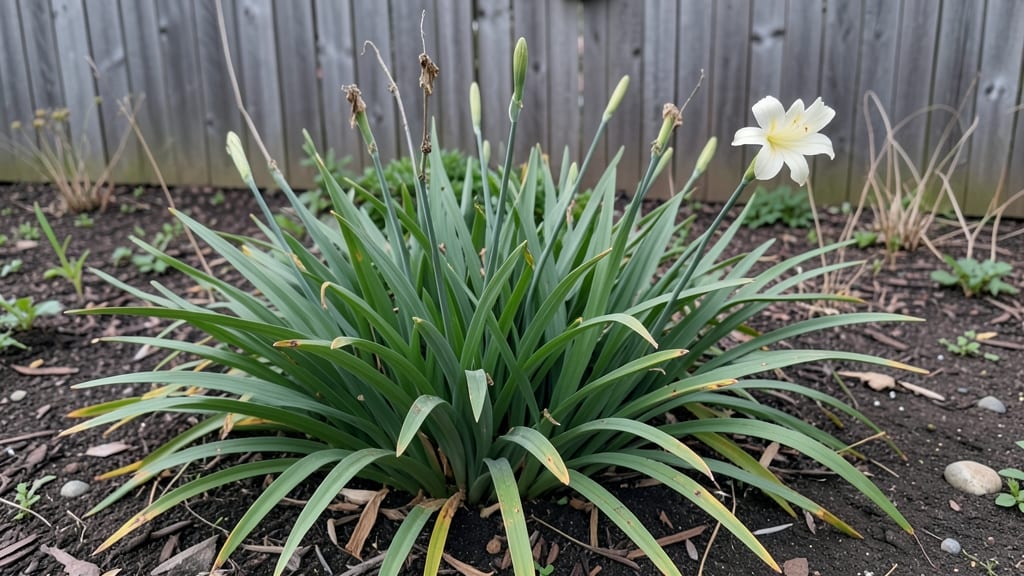
Daylilies not flowering this season? I’ve stared at my own stubborn clumps of green leaves and wondered the same thing—until I realized the fixes are simpler than they seem. 🌿 The good news is, most of the time, it’s not a death sentence, just a wake-up call for your plants.
Whether it’s too much shade, overfeeding, or simply old age, we’ll pinpoint the exact reason yours are holding back.
First, let’s rule out the big three: light, food, and age. Daylilies need at least 6 hours of sunlight daily—if yours are tucked under trees, they’re basically napping all day. Then check the soil: too much nitrogen (like from lawn fertilizer) makes them grow leaves instead of blooms.
And if your plants are older than five years, they might just be tired—it’s time for a refresh. The fix for each is straightforward once you know what’s missing.
You’ll see the first buds appear within 4-6 weeks of making the right adjustments. Picture it: those familiar orange, yellow, or purple blooms popping up where there was just green before.
The key is acting fast—once you spot the signs, like all-leaf growth or weak stems, the turnaround is quicker than you’d think. Let’s get those daylilies back in action.
This works for established clumps, new transplants, and even those stubborn daylilies hiding in shady corners. The same principles apply whether you’re in a hot, dry climate or a cooler, wetter one—just tweak the timing.
By the end, you’ll have a checklist to keep your daylilies blooming like they’re in a nursery display, not a neglected corner of the yard.
Common Culprits Behind Stubborn Daylilies
If your daylilies are putting on lush foliage but refusing to bloom, the issue likely stems from one (or more) of these environmental, cultural, or biological factors. Understanding the root cause is half the battle—because once you address it, those vibrant blooms can return in full force.
Let’s break down the science behind why daylilies might be holding back their flowers.
🌱 Insufficient Sunlight: The Energy Shortfall
Daylilies (Hemerocallis spp.) are sun-worshippers, and 6 to 8 hours of direct sunlight daily is their sweet spot for blooming. When they don’t get enough light, they prioritize leaf growth over flower production—a survival tactic to maximize photosynthesis.
- Why it happens: In low-light conditions, the plant’s energy (glucose) is diverted to maintaining foliage rather than developing flower buds. This is especially true in shade-tolerant varieties, which may still produce leaves but skip blooms entirely.
- Signs to watch for:
- Long, leggy stems with sparse or no buds.
- Foliage that looks pale or etiolated (stretched toward light).
- Blooms that appear smaller or nonexistent in spring.
- Actionable fix:
- Move plants to a sunnier location (even partial sun can help, but full sun is ideal).
- If relocating isn’t possible, prune surrounding shade trees or use reflective mulch to bounce light onto the plants.
- For container-grown daylilies, place them on a south- or west-facing patio where they can soak up reflected sunlight.
💧 Watering Woes: Too Much or Too Little
Daylilies are drought-tolerant once established, but water stress—whether from overwatering or underwatering—can stall flower production. The key is balance: too little water weakens the plant, while too much suffocates roots and prevents energy allocation to blooms.
- Why it happens:
- Underwatering: When soil dries out, the plant conserves energy by reducing flower bud formation. This is a stress response to preserve vital functions.
- Overwatering: Soggy soil leads to root rot (Phytophthora or fungal pathogens), which starves the plant of oxygen and nutrients. Without proper nutrient uptake, flower buds fail to develop.
- Signs to watch for:
- Wilting leaves (underwatering) or yellowing foliage (overwatering).
- Stunted growth or mushy, black roots when checked.
- Blooms that drop prematurely or fail to open.
- Actionable fix:
- Water deeply 1 to 2 times per week (adjust for climate—less in rain, more in heat). Aim for 1–1.5 inches of water per week.
- Use well-draining soil (amend clay soil with compost or sand) to prevent waterlogging.
- If overwatering is the issue, reduce frequency and let the top 2–3 inches of soil dry out between waterings.
🌿 Nutrient Imbalance: Starving for the Right Fuel
Daylilies need a specific nutrient mix to produce flowers, and deficiencies or excesses can derail blooming. The most critical nutrients for flowering are phosphorus (P) and potassium (K), which support energy transfer and root health.
| Nutrient Deficiency | What It Does to Daylilies | How to Fix It |
|---|---|---|
| Low Phosphorus (P) | Weak stems, small or no flowers, and dark green/purple-tinged leaves. Phosphorus is essential for flower bud development. | Apply a balanced fertilizer (10-10-10 or 5-10-10) in early spring. Bone meal (3-4-0) is a phosphorus-rich organic option. |
| Low Potassium (K) | Yellowing leaf edges (scorching), weak stems, and poor disease resistance. Potassium helps transport nutrients to flowers. | Use a potassium-rich fertilizer (e.g., 0-0-50 or wood ash). Banana peels (composted) or greensand are natural sources. |
| Excess Nitrogen (N) | Lush leafy growth but no flowers. Nitrogen promotes foliage at the expense of blooms. | Switch to a low-nitrogen, high-phosphorus fertilizer (e.g., 2-4-4). Avoid blood meal or high-N lawn fertilizers. |
Pro Tip: 💡 Test your soil (via a local extension office or home kit) to identify specific deficiencies. Daylilies thrive in slightly acidic to neutral soil (pH 6.0–7.0)—adjust with lime (to raise pH) or sulfur (to lower it) if needed.
✂️ Poor Pruning Practices: Cutting Back the Wrong Way
Daylilies are hardy, but aggressive or untimely pruning can signal the plant to focus on regrowth instead of flowering. The timing and method of cutting back directly impact next year’s blooms.
- Why it happens:
- Late-season pruning: Cutting back foliage after the first frost removes stored nutrients in the leaves, which the plant relies on to fuel spring blooms.
- Over-pruning: Trimming more than 1/3 of the foliage at once stresses the plant, diverting energy to recovery rather than flower buds.
- Cutting flower stalks too early: Daylilies produce blooms on current-year growth. Removing stalks before they die back naturally (in fall) can reduce next year’s flowers.
- Signs to watch for:
- Sparse or no new growth in spring.
- Leaves that yellow prematurely or appear weak.
- Fewer blooms the following season.
- Actionable fix:
- Prune after flowering (late summer/early fall) to allow leaves to photosynthesize until frost.
- Cut back dead or damaged foliage only—never more than 1/3 of the plant at once.
- Leave flower stalks intact until they brown (they’ll die back naturally in fall).
Revive Your Daylilies Blooms Today
If your daylilies are putting on a leafy show but skipping the flowers, don’t panic! With the right fixes, you can coax those vibrant blooms back into action.
Below, we’ve mapped out practical solutions tailored to the most common causes—plus tips to keep your plants thriving long-term. Grab your gardening gloves, and let’s get growing!
🌱 Fix 1: Not Enough Sunlight → More Light, Please
Daylilies are sun-worshippers, and 6+ hours of direct sunlight daily is their happy place. If they’re tucked in shade, they’ll focus on leaves instead of flowers.
How to Fix It:
🔥 🌞 Relocate to a Sunnier Spot
- Move pots or dig up clumps and replant them in a south-facing or west-facing area.
- If space is tight, use a reflective surface (like a white wall or mirror) to bounce extra light onto them.
🍳 🌱 Gradual Sun Exposure for Transplants
- If your daylilies are new to a sunny spot, acclimate them slowly over 1–2 weeks to avoid sunburn.
👨🍳 🌿 Prune Overhanging Branches
- Trim back trees or shrubs blocking sunlight in early spring before new growth starts.
💡 Prevention Tips:
- Plant daylilies in full sun from the get-go—avoid shady corners!
- In hot climates, provide afternoon shade to prevent stress (but keep morning sun).
💧 Fix 2: Overwatering or Poor Drainage → Balance the Moisture
Daylilies hate soggy feet! Overwatering or compacted soil can starve roots of oxygen, halting blooms. Even underwatering stresses them—but consistency is key.
How to Fix It:
🔥 💦 Check Your Watering Routine
- Water deeply but infrequently—about 1 inch per week, adjusting for rain.
- Let the top 2–3 inches of soil dry out between waterings (stick your finger in to test!).
🍳 🏗️ Improve Soil Drainage
- Amend heavy clay soil with compost or perlite to loosen it up.
- If planting in containers, use a mix with 50% potting soil + 50% perlite/sand.
👨🍳 🚰 Fix Waterlogged Areas
- Raise beds with gravel or sand layers if water pools.
- Ensure pots have drainage holes and elevate them on feet.
💡 Prevention Tips:
- Mulch around plants (2–3 inches of organic mulch) to retain moisture without suffocating roots.
- Avoid watering late in the day—wet foliage invites fungal issues.
🌿 Fix 3: Overcrowded Roots → Give Them Space to Breathe
Daylilies multiply like bunnies, and crowded roots compete for nutrients, leaving no energy for flowers. If your clumps are dense and leafy but flower-sparse, it’s time to thin them out!
How to Fix It:
🔥 ✂️ Divide and Conquer
- Dig up the clump in early spring or fall (when plants are dormant).
- Use a sharp spade or knife to separate into smaller sections, ensuring each has 3–5 healthy fans (leaf clusters).
🍳 🌱 Replant Properly
- Space divisions 18–24 inches apart in well-draining soil.
- Water thoroughly after planting to help roots establish.
👨🍳 🌱 Fertilize Lightly Post-Division
- Use a balanced fertilizer (10-10-10) or compost to encourage regrowth.
💡 Prevention Tips:
- Divide daylilies every 3–4 years to prevent overcrowding.
- If you hate digging, plant in containers and refresh the soil yearly.
🌱 Fix 4: Nutrient Deficiencies → Feed for Flowers
Daylilies need phosphorus and potassium to bloom, but many soils lack these. A quick nutrient boost can trigger flowers faster than you’d expect!
How to Fix It:
🔥 🌿 Apply a Bloom-Boosting Fertilizer
- Use a low-nitrogen, high-phosphorus fertilizer (like 5-10-10 or 7-9-5).
- Follow package instructions for spring and early summer applications.
🍳 🍂 Compost or Organic Matter
- Work in 2–3 inches of compost around the base (but not touching the crown).
- Try bone meal (for phosphorus) or kelp meal (for potassium).
👨🍳 💧 Feed with Fish Emulsion
- Mix fish emulsion (5-1-1) with water and apply every 4–6 weeks for a quick nutrient kick.
💡 Prevention Tips:
- Test your soil (DIY kits work!) to identify specific deficiencies.
- Avoid high-nitrogen fertilizers (like lawn fertilizers)—they promote leaves, not flowers.
❄️ Fix 5: Extreme Temperatures → Protect Their Comfort Zone
Daylilies thrive in USDA Zones 3–9, but heatwaves or late frosts can shock them into skipping blooms. Adjust their environment to keep them in their sweet spot.
How to Fix It:
🔥 🌡️ Shield from Late Frosts
- Cover plants with frost cloth if temperatures dip below 20°F (-7°C).
- Plant in sheltered microclimates (near fences or walls that absorb heat).
🍳 🌞 Beat the Heat in Hot Climates
- Provide afternoon shade with a lightweight shade cloth (30–50%).
- Mulch with straw or pine needles to insulate roots.
👨🍳 🌱 Choose Heat-Tolerant Varieties
- If your area is brutally hot, opt for ‘Stella de Oro’ or ‘Happy Returns’—they bloom reliably in heat.
💡 Prevention Tips:
- Water deeply before heatwaves to help plants cope.
- Avoid planting in low-lying areas where cold air pools.
With these fixes, your daylilies should be bursting with blooms in no time! Remember, consistency is key—whether it’s sunlight, water, or nutrients, small adjustments make a big difference. Happy gardening! 🌸✨
Frequently asked questions
Why do my daylilies have leaves but no flowers?
This usually happens when your plants prioritize leaf growth over blooms due to insufficient sunlight or an imbalance in nutrients. Daylilies thrive with 6+ hours of direct sunlight daily—if they’re in shade, they’ll focus on foliage. Also, too much nitrogen (like from lawn fertilizer) can encourage leafy growth while starving blooms. Try moving them to sunnier spots and switch to a low-nitrogen, high-phosphorus fertilizer.
How do I tell if my daylilies need more sunlight?
Check for leggy stems stretching toward light or pale, thin leaves—these are classic signs of insufficient sunlight. If your daylilies are producing few or no buds, relocating them to a sunnier spot (like a south-facing area) should help within 4-6 weeks. For containers, a reflective surface can also boost light exposure.
Can overwatering prevent daylilies from flowering?
Overwatering suffocates roots by cutting off oxygen, which disrupts nutrient uptake—critical for flower development. Let the top 2-3 inches of soil dry out between waterings and ensure your soil drains well. If your plants are in heavy clay, amend it with compost or sand to improve airflow.
Is it normal for daylilies to stop flowering after a few years?
Yes, but it’s usually due to overcrowding or nutrient depletion. Daylilies multiply quickly, and crowded roots compete for resources. Divide clumps every 3-4 years in early spring or fall, spacing new plants 18-24 inches apart. This refreshes the soil and gives each section room to bloom beautifully.
What’s the best time to fertilize daylilies for blooms?
Apply a low-nitrogen, high-phosphorus fertilizer (like 5-10-10) in early spring and again in early summer to encourage flowering. Avoid high-nitrogen options—they promote leaves instead of buds. Organic options like bone meal (for phosphorus) or composted banana peels (for potassium) also work well.