
Trees
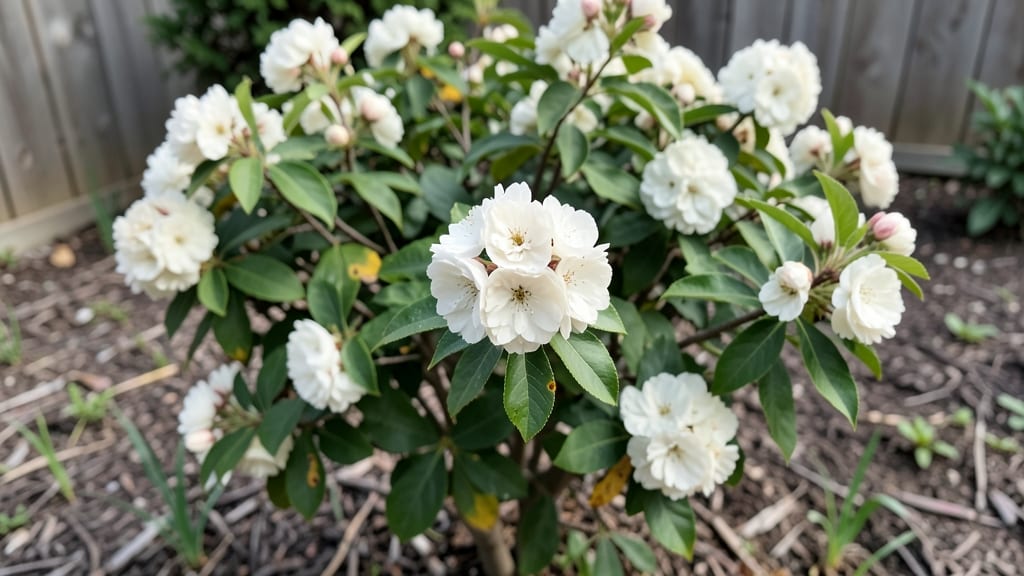
Your Donut Peach Tree flowers are the star of spring 🍑, but those heavy branches can turn into a pruning puzzle if you don’t act fast.
Imagine waking up to a tree so lush with blossoms it looks like a candy store—until you realize the weight of all those flowers is bending the branches dangerously. Without the right cuts, you’ll end up with fewer peaches and more broken wood.
The good news? A few strategic prunes now will keep your tree blooming and bearing fruit for years.
In USDA Zone 6, where spring arrives slowly, timing matters more than you think. Prune too early, and you risk losing next year’s flowers. Wait too long, and the tree struggles to support its own weight.
I’ll walk you through the exact steps—when to cut, what to remove, and how to encourage stronger growth without sacrificing those dreamy blossoms.
By the end, you’ll know how to turn a wild, overgrown mess into a tree that’s both beautiful and productive. No more guessing—just clear, actionable tips to keep your Donut Peach Tree thriving.
How to prune donut peach tree flowers for maximum fruit production
Pruning your donut peach tree isn’t just about shaping its branches—it’s about striking the perfect balance between flower production and fruit yield. Too many horizontal branches can block sunlight, while over-pruning weakens the tree’s ability to bloom.
The key is strategic cuts that encourage air circulation, reduce disease risk, and redirect energy to heavy fruit-bearing branches.
Donut peach trees produce abundant flowers in early spring, but their natural growth habit can lead to overcrowded canopies if left unchecked. By pruning at the right time and with the right techniques, you’ll ensure your tree stays productive, healthy, and disease-resistant for years to come.
Let’s dive into the step-by-step process that transforms wild growth into a high-yielding masterpiece.
Step-by-Step Pruning Guide for Donut Peach Tree Flowers
-
Step 1: Remove Dead or Diseased Wood
Start by cutting out any dead branches or those with signs of peach leaf curl or bacterial spot. Use sterilized pruners to prevent spreading disease. -
Step 2: Thin Out Overlapping Branches
Focus on horizontal branches that cross or rub against each other. These create poor air circulation and increase fungal risks. Aim to leave 6-8 inches between branches. -
Step 3: Prune Suckers and Water Sprouts
Cut back suckers (shoots growing from the base) and water sprouts (fast-growing vertical shoots). These steal energy from fruit production and flower development. -
Step 4: Open the Canopy for Sunlight
Prune aggressive inner branches to allow sunlight penetration to the center of the tree. This encourages even flower distribution and fruiting on all branches. -
Step 5: Shape for Balance and Structure
Use the open-center vase shape to promote fruit-bearing wood. Remove branches growing inward or downward to create an airy, open structure. -
Step 6: Lightly Prune After Harvest
In late summer, do a light pruning to remove any damaged fruit spurs or weak growth. This prepares the tree for next year’s flower buds.
When pruning, always make cuts just outside the branch collar (the swollen area where the branch meets the trunk). This ensures the wound heals properly and reduces the risk of infections. For larger branches, use a pruning saw to avoid tearing the bark.
Timing is critical: dormant pruning in late winter (before buds swell) is ideal for major structural cuts. Avoid heavy pruning in summer, as it can stress the tree and reduce flower production the following spring. Instead, focus on light maintenance during the growing season.
After pruning, apply a wound dressing to larger cuts to protect against pests and diseases. This simple step can make a big difference in your tree’s long-term health and productivity.
Keep an eye on the pruned areas for signs of new growth—this is a good indicator that your tree is recovering well.
One common mistake is over-pruning to encourage more flowers, but this often backfires by weakening the tree. Aim to remove no more than 25% of the canopy in any single year. This rule keeps your donut peach tree strong enough to support both abundant blooms and heavy fruit loads.
Finally, observe your tree’s response to pruning. If you notice excessive leaf drop or stunted growth, you may have pruned too aggressively. Adjust your approach in future sessions to maintain a healthy balance between flowering and fruit production.
With patience and precision, your donut peach tree will reward you with years of bountiful harvests.
🌱
Donut peach tree flower pruning mistakes that kill yields (and how to fix them)
Pruning your donut peach tree flowers can feel like walking a tightrope—cut too much, and you risk stunting next year’s blooms and fruit production. Cut too little, and your tree becomes a tangled mess of overcrowded branches that block sunlight and invite disease.
The key is precision, but even experienced gardeners make costly mistakes that slash yields. Let’s fix them before your tree’s flowering potential takes a nosedive.
One of the biggest mistakes is pruning during the wrong season. Many gardeners reach for their shears in late summer after harvest, but this is a critical no-no for peach trees.
Cutting at this time forces the tree to produce new growth that won’t harden off before winter, leaving it vulnerable to frost damage. Instead, focus on dormant-season pruning in late winter or early spring, just as buds begin to swell.
Cutting back more than 25% of your tree’s branches in one go can shock the donut peach tree into producing fewer flower buds the following spring.
Peach trees rely on last year’s growth to bear fruit, so aggressive pruning removes potential blooming sites. Fix it by spacing cuts over 2-3 years and focusing on deadwood removal and structural shaping first.
Another silent yield-killer is ignoring dead or diseased wood. Left unchecked, infected branches spread peach tree borers and fungal infections like brown rot, which can wipe out entire crops. Always inspect your tree in late winter for blackened branches, oozing sap, or hollow stems.
Remove these immediately with sterilized pruners and seal larger cuts with pruning sealant to prevent pests from entering.
Pruning too close to the branch collar is another common blunder. When you leave a stub, it creates an open wound that invites rot and pests. Always cut just outside the branch collar—the swollen area where the branch meets the trunk—to promote faster healing.
Use sharp, clean tools to make clean cuts at a 45-degree angle for optimal recovery.
Finally, don’t neglect thinning out water sprouts. These fast-growing, vertical shoots steal energy from your tree’s fruit-bearing branches. Snip them back to a side branch or remove them entirely to redirect the tree’s resources toward flower production and fruit development.
Aim to keep your tree’s canopy open and airy to maximize sunlight exposure for those donut peach tree flowers.
By avoiding these mistakes and adopting a strategic pruning plan, your donut peach tree will reward you with vibrant blooms and a bumper crop year after year. Start small, observe your tree’s response, and adjust your approach as needed—your future harvest depends on it! 🌳