
Flowers
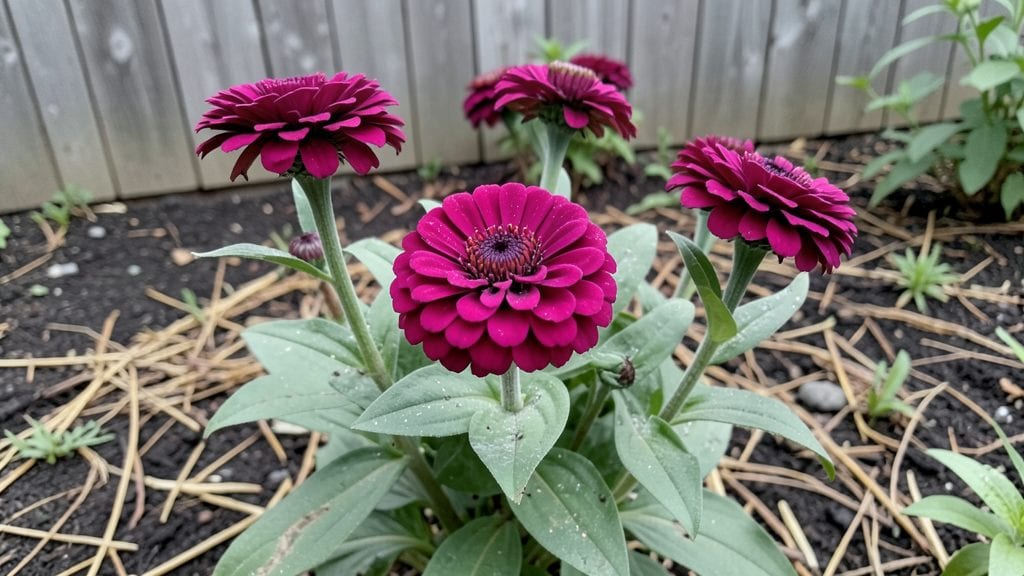
Growing double flowered zinnias 🌸 means turning your garden into a nonstop summer spectacle, with layers of petals that outshine even the boldest single blooms.
Here’s the catch: those extra petals make them more delicate than their single-flowered cousins, and without the right care, they’ll flop or fade faster than you’d expect. I’ve learned the hard way that spacing, deadheading, and soil prep are the real game-changers for keeping them blooming until frost.
You don’t need a green thumb—just a few simple tricks like morning watering, afternoon shade in scorching heat, and the right fertilizer timing to turn your zinnias into the showstopper they’re meant to be.
Below, I’ll walk you through every step—from planting in April-May to extending blooms until October—so you can enjoy months of effortless color without the guesswork.
Why double flowered zinnias outperform single-bloom varieties (and how to grow them)
Double flowered zinnias steal the show with their voluminous petals and rich textures, creating blooms that resemble pom-poms or roses. Unlike their single-bloom cousins, these varieties pack 2-3x more petal layers, which makes them prized for cut arrangements and pollinator gardens.
Their secret? A unique genetic structure that demands slightly different care to thrive.
The extra petals mean more surface area for sunlight absorption, but also higher moisture needs and increased susceptibility to mildew. Single zinnias are hardier and more drought-tolerant, while double varieties reward gardeners with longer vase life and deeper color saturation—if given the right conditions.
Let’s break down why they outperform single blooms and how to cultivate them successfully.
| Feature | Single Flowered Zinnias | Double Flowered Zinnias |
|---|---|---|
| Petal Layers | 1 layer | 2-3 layers |
| Bloom Duration | 6-8 weeks | 10-12 weeks |
| Sunlight Needs | 6-8 hours | 8+ hours |
| Water Requirements | Moderate | High (moisture-retentive soil) |
| Spacing Needs | 6-12 inches apart | 12-18 inches apart |
| Deadheading | Weekly | Every 3-4 days |
| Mildew Risk | Low | High (needs air circulation) |
| Cut Flower Longevity | 5-7 days | 10-14 days |
Double flowered zinnias need full sun exposure—at least 8 hours daily—to support their dense petal structure. Plant them in well-draining soil mixed with compost to retain moisture without waterlogging.
Their roots thrive in loamy soil with a pH between 6.0 and 7.0, so test your soil before planting. Amend with aged compost or a balanced fertilizer (5-10-10) at planting time for a nutrient boost.
Spacing is critical for air circulation, which prevents powdery mildew—a common issue with double varieties. Space plants 12-18 inches apart in rows 24 inches apart to allow airflow. If growing in containers, use 5-gallon pots with drainage holes and plant one per container for optimal growth.
Watering double zinnias requires a balanced approach: keep soil consistently moist but avoid soggy conditions. Water early in the morning to reduce humidity buildup on petals, which can trigger mildew.
Mulch with straw or shredded leaves to retain moisture and suppress weeds, but leave 2 inches of space around stems to prevent rot.
Deadheading is non-negotiable for continuous blooms. With double varieties, pinch off spent blooms every 3-4 days to encourage new flower production. Use clean pruners and cut just above a leaf node to promote bushier growth.
Avoid tearing petals, as this can invite pests and diseases. For longer stems, harvest in the morning when buds are fully open but not wilted.
Fertilizing double zinnias follows a seasonal schedule: apply a balanced fertilizer every 4-6 weeks during the growing season (April-October). In early summer, switch to a low-nitrogen, high-phosphorus formula (e.g., 5-20-20) to boost flowering.
Avoid over-fertilizing, as this can lead to leafy growth at the expense of blooms. Always water fertilizer into the soil to prevent root burn.
Pests like <
5 Proven techniques to extend double flowered zinnia blooms for months
Double flowered zinnias are the stars of summer gardens, but their blooms can fade faster without the right care. To keep them flowering for months, you need a mix of strategic pruning, smart watering, and pest prevention.
Unlike single-bloom varieties, double flowered zinnias demand extra attention to stay vibrant. Let’s dive into the techniques that will transform your garden into a nonstop floral display.
The key to extending blooms lies in understanding their unique needs. These zinnias produce denser flowers with more layers, which can weigh down stems and attract pests if not managed properly.
By combining regular deadheading, proper spacing, and seasonal adjustments, you’ll create an environment where your zinnias thrive well into fall.
- 🌸 Deadhead Daily: Remove spent blooms every morning to redirect energy to new flowers. Use clean pruning shears to avoid damaging stems.
- 💧 Water at Soil Level: Apply 1 inch of water weekly at the base to prevent fungal diseases. Avoid wetting leaves to keep foliage dry.
- 🌿 Companion Plant with Basil: Plant basil or marigolds nearby to repel pests like aphids and whiteflies, which target double flowered zinnias.
- ✂️ Prune for Airflow: Trim 1/3 of the plant in early summer to improve circulation and reduce humidity around leaves.
- 🌡️ Adjust for Fall Heat: Reduce watering in late summer to harden plants for cooler temperatures, extending blooms into October or November.
One of the most effective ways to prolong blooms is daily deadheading. Double flowered zinnias produce flowers that can drop seeds quickly if left unattended. By snipping off spent blooms with a clean pair of bypass pruners, you encourage the plant to produce more flowers.
I like to do this first thing in the morning when the blooms are still crisp, making the task easier and reducing the risk of spreading disease.
Watering is another critical factor. These zinnias need consistent moisture but hate soggy roots. I water mine at the base of the plant using a soaker hose or drip irrigation to keep the foliage dry.
This prevents powdery mildew, a common issue with double flowered varieties due to their dense petals. In extreme heat, I increase watering to every other day, but always check the soil first—it should be moist but not waterlogged.
Companion planting can work wonders for your zinnias. I’ve found that pairing them with basil or marigolds deters pests like aphids and spider mites, which love to feast on zinnias. Additionally, planting zinnias near tall sunflowers provides shade for their roots during the hottest part of the day, reducing stress.
This simple trick can extend your blooms by 2-3 weeks into the fall season.
If your zinnias start to flop over or develop yellow leaves, don’t panic. These are common signs of overcrowding or nutrient deficiency. I recommend thinning plants to 12-18 inches apart and adding a balanced fertilizer like 5-10-10 every 4-6 weeks.
For late-season care, reduce fertilizing in August to prepare plants for cooler temperatures, which can actually revitalize blooms as the heat subsides.