
Flowers
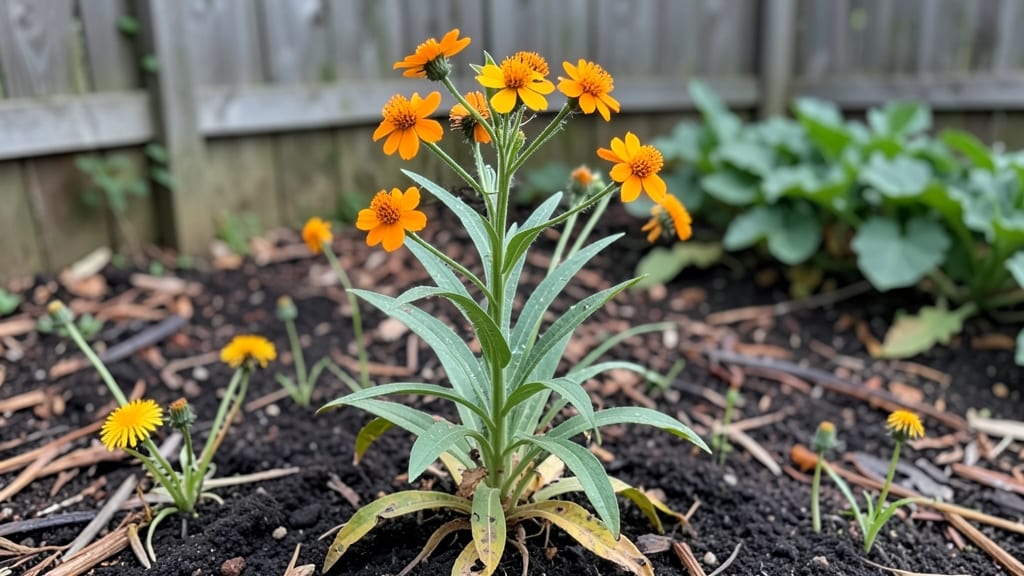
Growing orange-flowered milkweed 🌼 is your fastest ticket to a monarch butterfly magnet garden—this drought-tolerant beauty thrives in just 90 days with the right care.
Did you know this vibrant plant isn’t just stunning—it’s a critical food source for monarch butterflies? In just three months, you can transform your yard into a thriving habitat for these endangered pollinators while adding a pop of color to your landscape.
Perfect for USDA Zone 6a gardeners, orange-flowered milkweed loves full sun and well-draining soil, making it a low-maintenance superstar. Whether you’re planting seeds in spring or transplanting young plants, this guide will show you exactly how to nurture it from start to bloom.
From watering tips that save time to fertilizing tricks that boost growth, you’ll learn how to keep your milkweed healthy—and packed with nectar for butterflies. Let’s get your garden buzzing!
How to grow orange flowered milkweed from seeds in 3 months
Growing orange flowered milkweed (Asclepias tuberosa) from seeds is one of the most rewarding ways to support monarch butterflies. These vibrant plants thrive in just 90 days when given the right conditions.
The key is starting with fresh seeds and providing well-draining soil and full sun. Unlike many plants, milkweed seeds don't need cold stratification—just patience and proper care!
Before you begin, choose a sunny location with 6-8 hours of sunlight daily. This drought-tolerant perennial grows best in USDA zones 3-9, making it adaptable to most climates.
The secret to fast growth lies in direct sowing after the last frost date—typically in April or May—rather than transplanting seedlings, which can stress the plant.
Here’s your 3-month roadmap to growing lush, monarch-friendly milkweed from seeds:
🌱 Step-by-Step Growth Guide
- 1 Seed Selection & Prep: Purchase fresh orange milkweed seeds from a reputable supplier. No need to scarify or soak—they germinate best when planted dry in well-draining soil.
- 2 Planting Time: Sow seeds outdoors after the last frost date (typically April-May). Press seeds ½ inch deep into loose, sandy or loamy soil with minimal compost—too much organic matter can cause rot.
- 3 Germination (Weeks 1-4): Keep soil moist but not soggy. Germination takes 14-21 days in warm conditions. Thin seedlings to 12-18 inches apart once they reach 2 inches tall to prevent overcrowding.
- 4 Early Growth (Weeks 5-8): Reduce watering to once weekly as roots establish. Apply a light fertilizer (5-10-10) in June to encourage foliage growth. Avoid high-nitrogen fertilizers—they promote leafy growth over flowers.
- 5 Flowering & Maturity (Weeks 9-12): By July-August, you’ll see bright orange blooms! Deadhead spent flowers to encourage second blooms and attract monarchs. Mulch with gravel or straw to retain moisture and deter weeds.
- 6 Climate Tips: In hot climates (zones 8-9), water deeply every 5-7 days during summer. In cooler zones (3-6), plant near south-facing walls to extend the growing season.
One of the most exciting parts of growing orange milkweed is watching monarch caterpillars munch on the leaves. These plants are the sole food source for monarch larvae, so every seed you plant makes a difference. Just avoid using pesticides or herbicides, as they can harm butterflies and bees.
If you’re in a dry climate, group milkweed with native grasses like little bluestem to improve soil moisture retention. In humid areas, ensure good airflow to prevent fungal diseases like powdery mildew. A simple trick? Space plants 18 inches apart and avoid overhead watering.
By month 3, your milkweed should be 2-3 feet tall with clusters of orange flowers. This is when monarchs will start visiting! To maximize their impact, plant at least 3-5 plants together.
The more milkweed in your garden, the more butterflies you’ll attract—and the stronger the next generation will be.
Pro tip: Save seeds from your plants for next year! Let the seed pods dry on the plant, then collect them in paper bags. Store seeds in a cool, dry place until spring planting. This ensures you’ll always have a fresh supply of monarch-friendly milkweed.
🌼
Orange flowered milkweed varieties: best for monarchs vs. drought resistance
Choosing the right orange flowered milkweed variety can make all the difference for your monarch butterflies and your drought-prone garden. Some varieties thrive in dry conditions while others attract more pollinators—here’s how to decide.
The Asclepias tuberosa group is your best bet for vibrant orange blooms, but there are key differences between cultivars that impact both butterfly activity and water needs.
If you live in USDA Zones 3-9, you’ll want to prioritize varieties that balance monarch attractiveness with low-maintenance care. For example, ‘Hello Yellow’ offers a unique golden hue, but its drought tolerance lags behind other options.
Meanwhile, Asclepias perennis (swamp milkweed) handles wetter soils but may not perform as well in arid climates. Let’s break down the top performers in my comparison table below.
| Variety | Monarch Attractiveness | Drought Tolerance | Growth Speed | Climate Range |
|---|---|---|---|---|
| Asclepias tuberosa (Butterfly Weed) | ★★★★★ | ★★★★☆ | Moderate (2 years to full bloom) | Zones 3-9 |
| ‘Hello Yellow’ (Asclepias tuberosa) | ★★★★☆ | ★★★☆☆ | Slow (3 years to full bloom) | Zones 4-9 |
| Asclepias perennis (Swamp Milkweed) | ★★★★☆ | ★☆☆☆☆ | Fast (1 year to bloom) | Zones 3-8 |
| Asclepias syriaca (Common Milkweed) | ★★★★★ | ★★★☆☆ | Very Fast (1 year) | Zones 3-9 |
For maximum monarch activity, I recommend Asclepias tuberosa or Asclepias syriaca—both rank highest for pollinator appeal while still offering good drought resistance. If you’re in a dry climate, prioritize ‘Gay Butterflies’ or native Asclepias tuberosa strains, which thrive with minimal watering after establishment.
Meanwhile, ‘Hello Yellow’ is stunning but demands more consistent moisture, making it less ideal for low-water gardens.
Pro tip: Mix varieties to extend your blooming season. Asclepias perennis starts early in spring, while Asclepias tuberosa peaks in summer—this keeps monarch caterpillars fed year-round. Just avoid planting near chemical pesticides, as they’ll harm both butterflies and your milkweed’s health.
Ready to plant? Start with Asclepias tuberosa seeds in well-draining soil after your last frost date. In just 90 days, you’ll see those iconic orange blooms—and soon, fluttering monarchs will thank you! 🌼