
Shrubs
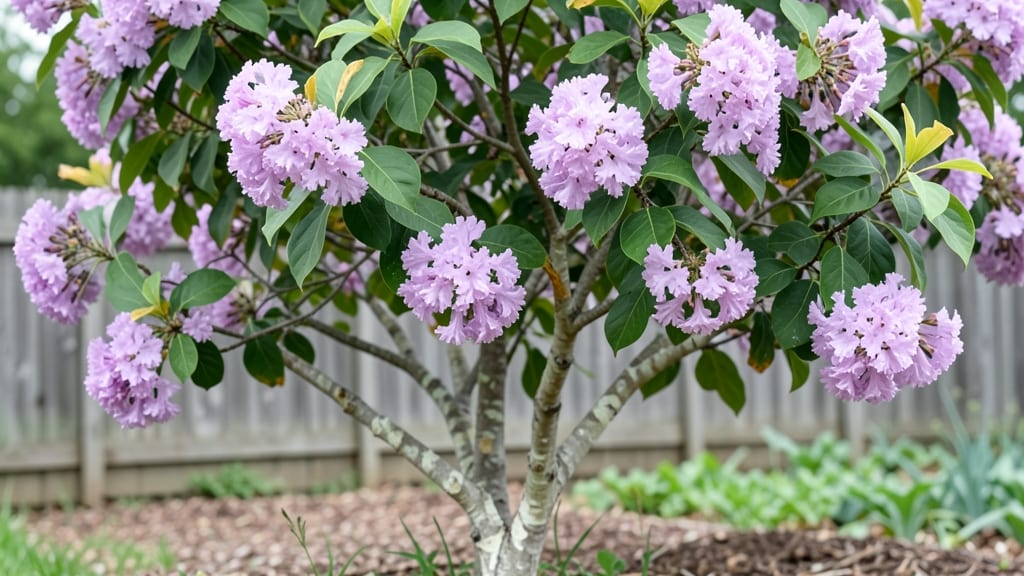
Growing a Florida flowering shrub 🌺 means you can skip the fuss and enjoy nonstop color—no matter how hot or humid it gets.
Let’s be honest: Florida’s sun and humidity can turn a garden into a science experiment. But the right shrubs? They love the heat, blooming year-round with almost no effort. Whether you’re adding curb appeal or attracting butterflies, these plants turn your yard into a lush, low-maintenance paradise.
From sun-loving hibiscus to fragrant gardenias, I’ll walk you through the top picks for your climate, plus the easiest ways to plant, prune, and keep them thriving. No green thumb required—just great results.
Ready to ditch the dead zones and fill your space with vibrant blooms? Here’s how to make it happen.
Top 5 Florida-friendly flowering shrubs for year-round color
Florida’s relentless sun and humidity can turn gardening into a high-stakes game—but these top 5 flowering shrubs play to win. They’re built for year-round color, drought resistance, and pest defiance, while demanding minimal effort from you.
Whether you’re lining a driveway, framing a patio, or filling a foundation bed, these shrubs deliver bold blooms without the fuss of constant pruning or watering.
Native varieties dominate this list because they’re evolutionarily adapted to Florida’s climate. They thrive in USDA zones 9a-11, handle sandy or acidic soils, and attract pollinators like butterflies and hummingbirds. Plus, their low-maintenance nature makes them perfect for busy gardeners or those new to Florida’s unique growing conditions.
Here’s how they stack up in key categories like sunlight needs, water requirements, and bloom seasons—so you can pick the perfect fit for your yard’s microclimate.
Let’s dive into each shrub’s care secrets to keep them thriving. Firebush, for example, is a hummingbird superstar with year-round interest. Its bright red flowers appear in clusters, and it’s tough as nails—perfect for wildlife-friendly gardens.
Plant it in full sun and watch it rebloom nonstop with minimal watering.
If you crave fragrance, gardenias are non-negotiable. Their creamy white blooms smell like tropical heaven, but they’re particular about shade. Give them morning sun
How to choose the best flowering shrubs for your Florida landscape
Selecting the perfect flowering shrubs for Florida starts with understanding your yard’s unique conditions. The humidity, intense sunlight, and sandy soil in many areas demand shrubs that can handle these challenges while still delivering stunning blooms.
Start by mapping your yard’s sunlight exposure—some areas may get full sun all day, while others might offer only partial shade due to trees or structures.
Next, consider your soil type. Florida’s soil is often sandy and acidic, which can limit nutrient availability. Amending with organic matter like compost or using slow-release fertilizers can make a big difference.
For example, gardenias thrive in acidic soil, while firebush adapts well to poorer soils. Test your soil’s pH to avoid mismatches that stunt growth or prevent blooming.
Now, let’s talk water needs. Many Florida shrubs are drought-tolerant once established, but younger plants need consistent moisture. Group shrubs with similar water requirements together to simplify care.
For instance, hibiscus loves moisture and should be planted near a drip irrigation system, while lantana can thrive with minimal watering once rooted.
Native vs. non-native is another critical decision. Native Florida shrubs, like coontie or wax myrtle, require less water and fertilizer because they’ve evolved to thrive in local conditions. Non-natives, such as bougainvillea or plumbago, offer vibrant colors but may need extra care to survive Florida’s heat and humidity. Weigh the trade-offs between low-maintenance natives and exotic blooms based on your goals.
🌺 Key Factors for Choosing Florida Flowering Shrubs
Don’t overlook microclimates in your yard. A northern exposure might stay cooler and shadier, while a southern or western side can become a scorching hotspot. For example, firebush thrives in full sun but may struggle in the harshest afternoon heat, while allamanda loves bright, indirect light.
Use these microclimates to create layered planting zones that maximize blooms year-round.
Finally, think about seasonal blooming patterns. Some shrubs, like crape myrtle, burst with color in summer, while others, such as camellias, shine in cooler months.
Mixing spring bloomers, summer stars, and fall/winter interest ensures your landscape stays vibrant all year. For instance, pair hibiscus (summer) with jessamine (winter) for continuous color.
With these factors in mind, you’ll create a low-maintenance, high-impact Florida landscape that thrives in the heat and humidity. Start small, observe how each shrub performs, and adjust your selections over time for the perfect balance of beauty and ease. Happy gardening! 🌿