
Flowers
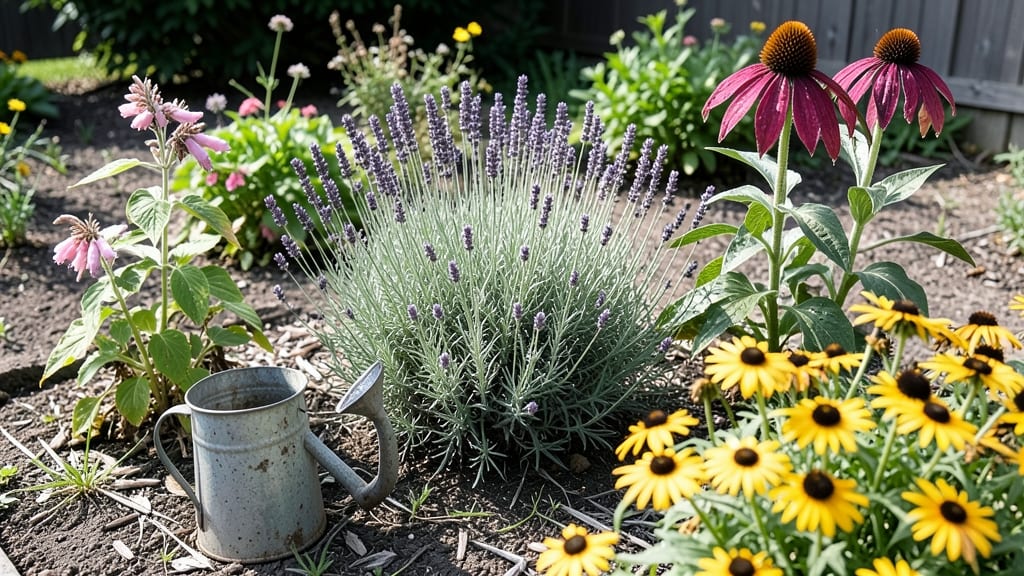
Mastering the art of flower garden maintenance isn’t about constant work—it’s about smart, seasonal habits that save time and keep your plants thriving. 🌿 I’ve learned the hard way that skipping deadheading in early summer or ignoring soil health in winter means fighting for blooms instead of enjoying them.
The difference between a garden that fades and one that flourishes comes down to a few simple, consistent steps.
Start with the basics: weekly deadheading to encourage more flowers, monthly mulching to lock in moisture, and seasonal pruning to shape plants and remove dead growth. For perennials, divide clumps every 3-4 years to prevent overcrowding, while annuals often reward you with nonstop blooms if you remove spent flowers regularly.
The right tools—a sharp pair of pruners, a trowel for mulching, and a watering wand—make these tasks effortless.
You’ll end up with a garden that bursts into color season after season, with fewer pests, healthier soil, and plants that practically beg to bloom. The key is staying ahead of small tasks before they become big problems—like catching powdery mildew early or adjusting watering when summer heat arrives.
Think of it as giving your flowers a spa day every month, and they’ll reward you with vibrant, long-lasting blooms that turn heads.
Works for any flower bed, whether you’re tending a small container garden or a full sun-drenched border. The same principles apply whether you grow perennials like coneflowers or annuals like marigolds—just adjust the timing to match their natural rhythms. Let’s get your garden looking its best all year round.
📚 In This Guide
- What you need
- Instructions
- Tips and common mistakes
- Wrapping up and next steps
What you need
- ● Hand Pruners: Sharp, bypass-pruning shears (for clean cuts on stems and branches). Quantity: 1 pair.
- ● Garden Gloves: Durable, breathable gloves (e.g., leather or reinforced fabric) to protect hands from thorns and dirt. Quantity: 1–2 pairs.
- ● Garden Fork: Heavy-duty fork for aerating soil and loosening roots. Specs: 8–12-inch tines, sturdy handle.
- ○ Hose with Adjustable Nozzle: For watering (look for a gentle spray setting). Optional add-on: Soaker hose for deep hydration.
- ● Mulch: Organic (e.g., shredded bark, compost) or inorganic (e.g., gravel) to retain moisture and suppress weeds. Quantity: 2–3 bags (depending on garden size).
- ○ Watering Can (Optional for Small Gardens): For targeted watering of delicate flowers or seedlings.
- ● Soil pH Test Kit: To monitor and adjust soil acidity/alkalinity (critical for specific flowers like hydrangeas or azaleas).
- ● Compost or Fertilizer: Slow-release granular fertilizer (e.g., 10-10-10 NPK ratio) or organic compost. Quantity: 1–2 bags per season.
- ● Weeding Tools: Hand weeder (for small gardens).
- ● Hoe (for larger areas).
- ● Spray Bottle: For diluted neem oil or insecticidal soap (organic pest control).
- ● Knee Pads: For comfort during long weeding sessions.
- ● Wheelbarrow: For hauling mulch, soil, or debris. Tip: Choose a lightweight, durable model with a flat base.
- ● Garden Kneeler: Folding pad for ergonomic kneeling.
- ● Pruning Saw: For thick branches (e.g., roses or shrubs).
- ● Rain Gauge: To track watering needs accurately.
- ● Plant Labels & Marker: Waterproof labels + permanent marker for tracking varieties.
- ● Solar-Powered String Lights: For evening garden enjoyment (and safety!).
How to maintain a flower garden through every season
Here’s the seasonal rhythm I’ve perfected for gardens that bloom reliably year after year.
🌱 Step 1: Spring—Prep Soil and Prune for New Growth
Start by removing last year’s debris and raking the soil surface to 1-2 inches deep—this breaks up compaction and encourages root expansion. Here’s the thing: I always test soil moisture first. If it’s still damp from winter, wait until the top 3 inches feel dry before watering deeply with 1 gallon per square foot. This prevents fungal issues that thrive in soggy soil.
Next, prune back dead or damaged stems to ½ inch above healthy growth. For shrubs like hydrangeas, I cut back one-third of the oldest stems to encourage fresh blooms. Watch for new buds forming—this is your signal that the plant is waking up and ready for fertilizer. Apply a balanced 10-10-10 formula at half-strength to avoid burning tender roots.
☀️ Step 2: Summer—Water Deeply and Deadhead Regularly
Morning is the best time to water—before 9 AM—to reduce evaporation and fungal risks. Use the soak-and-dry method: water until 6 inches of soil is thoroughly moist, then let it dry slightly before the next watering. Mulch with 2-3 inches of shredded bark to retain moisture and keep roots cool. I always check mulch depth after rain; if it’s compacted, fluff it up to maintain airflow.
Deadheading spent blooms twice weekly extends flowering season. For annuals like zinnias, pinch off flowers as soon as they fade—this redirects energy to new buds. For perennials like coneflowers, wait until half the bloom wilts before cutting back. You’ll see a second flush of flowers within 3-4 weeks if you stay consistent.
✂️ Step 3: Fall—Divide Crowded Plants and Protect from Frost
When leaves start yellowing or stems become woody, it’s time to divide perennials like daylilies and hostas. Dig up clumps and separate into 3-4 inch sections with 3-5 leaves per division. Replant immediately in amended soil—I mix in 1 part compost for every 3 parts native soil—to replenish nutrients. Water deeply after planting to settle roots before winter sets in.
For tender plants like dahlias, cut back foliage to 6 inches tall and cover the crown with 4-6 inches of straw mulch. This insulates roots from 20°F freezes and prevents heaving. I always mark covered plants with stakes so I don’t accidentally dig them up in spring.
⏰ Step 4: Winter—Monitor and Plan for Next Season
Even in winter, check gardens once a month for heaving soil or exposed roots. If temperatures drop below 15°F, add 2-3 inches of extra mulch to protect shallow-rooted plants. I keep a log of which plants survived harsh winters—this helps me adjust next year’s placement. For example, lavender that struggled in my zone now gets planted in a south-facing bed with rock mulch for better drainage.
While plants rest, sketch your garden layout. Note which areas need more sun (like roses) or shade (like astilbes) and adjust plant placements accordingly. This is the moment that matters: a little planning now saves hours of work and disappointment later.
Tips & tricks for perfect year-round flower garden maintenance
A few strategic tweaks can transform your garden from seasonal to ever-blooming—here’s how I’ve perfected it over years of trial and error.
Soil Prep Precision: When raking that 1-2 inches deep in spring, focus on breaking up only the top layer—deeper disturbance can damage emerging roots. I use a garden fork for compacted areas rather than a rake, which creates vertical channels for air and water penetration. The key is to stop when the soil crumbles easily between your fingers—this ensures you’re not overworking the delicate root systems just waking up from dormancy.
Fertilizer Timing Secret: That 10-10-10 formula at half-strength in Step 1 works wonders, but here’s what nobody tells you: apply it when you see those first new buds forming—not before. Early fertilizer can burn tender new growth, and late application won’t give roots enough time to establish before summer heat arrives. I always mix it with a handful of compost in the planting hole for extra protection.
Winter Protection Strategy: For those 20°F freezes, don’t just pile on mulch—create a microclimate. I wrap tender perennials in burlap sacks before adding mulch, then secure with landscape fabric stapled to stakes. This creates an insulated air pocket that can raise temperatures by 5-10°F during cold snaps. The 15°F threshold is critical: below this, even mulch alone may not be enough for shallow-rooted plants like pansies.
Deadheading Discipline: That twice weekly schedule in summer becomes even more important when humidity rises. For perennials, I wait until the bloom head wilts completely before cutting—this ensures I don’t accidentally remove next year’s flower buds hiding in the center. Annuals like zinnias are more forgiving, but I still use clean, sharp pruners to avoid crushing stems, which can introduce disease.
Pro Tips for Flower Garden Maintenance
- A few strategic tweaks can transform your garden from seasonal to ever-blooming—here’s how I’ve perfected it over years of trial and error.
- Soil Prep Precision: When raking that 1-2 inches deep in spring, focus on breaking up only the top layer—deeper disturbance can damage emerging roots.
- Fertilizer Timing Secret: That 10-10-10 formula at half-strength in Step 1 works wonders, but here’s what nobody tells you: apply it when you see those first new buds forming—not before.
Frequently asked questions
Got questions about keeping your flower garden lush and vibrant? You’re not alone! Here are some common queries—along with straightforward answers—to help you maintain your blooms with ease.
How often should I water my flower garden?
Watering frequency depends on your plants and climate. Most flowers need about 1–1.5 inches of water per week, including rainfall. Early morning is ideal to reduce evaporation and fungal risks. For young plants or drought-prone varieties, check soil moisture with your finger—if the top inch is dry, it’s time to water!
What’s the best time to prune my flowers?
Timing matters! Deadhead spent blooms immediately to encourage more flowers, but avoid heavy pruning in late summer for perennials (it can stunt next year’s growth). For shrubs, prune right after flowering or in early spring. Always use clean, sharp shears to prevent disease.
How can I prevent pests without harsh chemicals?
Nature has solutions! Try companion planting (e.g., marigolds repel pests), introduce beneficial insects like ladybugs, or use neem oil or insecticidal soap. Regularly inspect leaves for signs of trouble—early action saves your garden!
What should I do with my garden in winter?
Winter prep keeps your garden thriving! Mulch around perennials to insulate roots, trim back dead foliage, and protect tender plants with burlap or row covers. Evergreens may need watering if snow covers them. A little winter care means bigger blooms in spring!
Can I grow flowers in containers if I have limited space?
Absolutely! Choose compact varieties like pansies, petunias, or dwarf roses. Use well-draining pots with holes, and ensure they get enough sunlight (at least 6 hours daily). Rotate containers weekly for even growth, and fertilize monthly for vibrant blooms.
Wrapping up and next steps
Maintaining a flourishing flower garden is all about consistent care, seasonal adjustments, and a little love! 🌸 From pruning and fertilizing to pest control and seasonal prep, each step plays a vital role in keeping your blooms vibrant.
Remember, even small efforts—like regular watering or removing weeds—make a big difference over time.
Ready to see your garden really shine? Start by picking one or two tasks from this guide to tackle this week—whether it’s mulching, deadheading, or planning your next season’s layout. Happy gardening! 🌱