
Vegetables
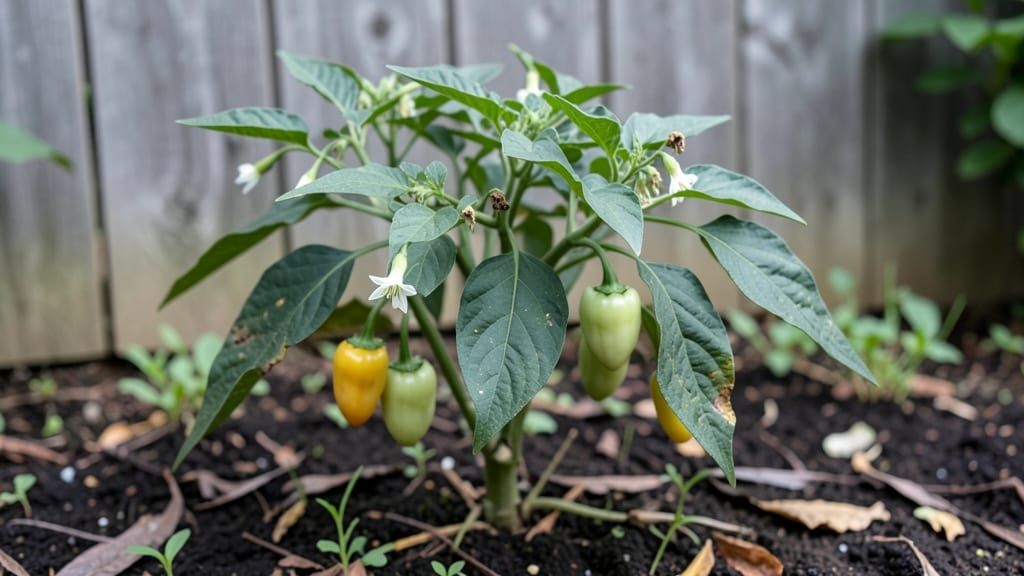
Growing Chinese flower peppers 🌶️ lets you turn your garden into a spicy, colorful showstopper—these plants produce both edible peppers and striking blooms that chefs and decorators will love.
Imagine harvesting vibrant red peppers that double as stunning edible flowers—Chinese flower peppers (also called tian jiao) deliver both beauty and heat to your garden. These dual-purpose plants thrive in containers or garden beds, but mastering their care from seed to harvest requires the right techniques.
You’ll need full sun and well-draining soil to keep them happy, but the real secret is timing: plant them in April or May after the last frost, and you’ll be picking peppers by July.
Whether you’re growing them for their mild kick or their ornamental appeal, these plants are a game-changer for small gardens.
In this guide, I’ll walk you through everything from seed starting to harvesting, plus tips for keeping pests at bay and maximizing both flavor and beauty. Ready to grow your own spicy blooms?
How to grow Chinese flower peppers from seed: a step-by-step guide
Growing Chinese flower peppers from seed is a rewarding process that yields both edible peppers and ornamental blooms. These heat-loving plants thrive with the right germination conditions and seedling care. Whether you're a beginner or experienced gardener, following these steps ensures healthy, vigorous plants ready for transplanting.
Starting seeds indoors gives you a head start, especially if you live in a cooler climate. Chinese flower peppers need warmth to germinate, so using a seedling heat mat or placing trays on a sunny windowsill can speed up the process.
With patience and the right conditions, you’ll see those first tiny sprouts in just 7–14 days.
Step-by-Step Guide to Growing Chinese Flower Peppers from Seed
-
Step 1: Start Seeds Indoors (6-8 Weeks Before Last Frost)
Fill seed trays with sterile seed-starting mix. Plant Chinese flower pepper seeds ¼ inch deep, spacing them ½ inch apart. Keep soil moist but not soggy using a spray bottle.
-
Step 2: Provide Warmth and Light
Place trays in a warm location (70–80°F). Use a grow light or place near a south-facing window for 12–14 hours of light daily to prevent leggy seedlings.
-
Step 3: Germination (7–14 Days)
Seeds typically sprout in 7–14 days. Once sprouted, remove the heat mat but keep lights on. Thin seedlings if overcrowded, leaving the strongest seedling per cell.
-
Step 4: Harden Off Seedlings (1 Week Before Transplant)
Gradually expose seedlings to outdoor conditions for 1–2 hours daily, increasing time each day. This hardening-off process prepares them for transplanting.
-
Step 5: Transplant Outdoors (After Last Frost)
Choose a sunny spot with well-draining soil. Space plants 12–18 inches apart in garden beds or 5-gallon containers for patio growing.
-
Step 6: Early Growth Care
Water at the base of plants to avoid wetting leaves (reduces damping-off risk). Apply a balanced fertilizer (10-10-10) when flowers appear to boost fruit production.
One of the most common issues with Chinese flower pepper seedlings is damping-off, a fungal disease that causes stems to rot at the soil line.
To prevent this, ensure your seed-starting mix is sterile and avoid overwatering. If you notice seedlings wilting or collapsing, remove affected plants immediately and reduce moisture.
Leggy seedlings are another challenge, often caused by insufficient light. If your seedlings stretch toward the light source with weak stems, move them closer to a grow light or supplement with a south-facing window. You can also pinch off the top leaves to encourage bushier growth.
Once your seedlings are hardened off and transplanted, focus on consistent care to ensure robust growth. Chinese flower peppers thrive in full sun (6–8 hours daily) and well-draining soil. Mulch around the base to retain moisture and suppress weeds, which can compete for nutrients.
Monitor your plants for pests like aphids or diseases such as powdery mildew. Early intervention—such as spraying with neem oil or removing infected leaves—keeps your plants healthy. With the right conditions, your Chinese flower peppers will reward you with vibrant blooms and spicy harvests by mid-summer.
Remember, patience is key when growing from seed. Chinese flower peppers may take 75–90 days to mature, but the wait is worth it for their dual-purpose beauty and flavor. Happy gardening!
Chinese flower pepper varieties: comparing heat levels and growing traits
Chinese flower peppers (also called tian jiao) offer a stunning mix of ornamental blooms and spicy peppers, but their heat levels and growth habits vary dramatically between varieties. Whether you want mild peppers for garnishing or hotter varieties for cooking, choosing the right type is key.
Below, I compare three popular varieties—Hong Kong Pepper, Thai Pepper, and Malaysian Pepper—so you can pick the perfect fit for your garden and taste preferences.
Each variety brings unique traits to your garden. The Hong Kong Pepper stands out for its compact size and moderate heat, making it ideal for containers. Meanwhile, the Thai Pepper delivers bold heat and vibrant flowers, perfect for culinary enthusiasts.
The Malaysian Pepper strikes a balance with mild spice and prolific blooms, doubling as a garden centerpiece. Let’s break down their Scoville ratings, plant sizes, and climate needs to help you decide.
If you’re growing for ornamental value, the Malaysian Pepper is my top pick. Its bright red flowers and compact size make it a showstopper in garden beds or hanging baskets.
For culinary heat, the Thai Pepper delivers a bold kick (up to 100,000 SHU), perfect for spicy dishes. Meanwhile, the Hong Kong Pepper offers a versatile middle ground, balancing moderate heat with easy container growth—ideal for urban gardens.
All three varieties thrive in full sun and well-draining soil, but their climate needs differ slightly. The Thai Pepper demands warmer temperatures (USDA Zones 10–12), while the Malaysian Pepper tolerates cooler zones (USDA Zones 8–11).
For container gardening, choose Hong Kong Pepper—its smaller stature makes it perfect for pots on patios or balconies.
Pro tip: Mix varieties in your garden for visual interest and culinary versatility. The Malaysian Pepper’s mild peppers can garnish dishes, while the Thai Pepper’s fiery heat adds depth to sauces.
Just remember, heat levels can vary based on growing conditions—soil, sunlight, and water all play a role in flavor intensity.
Ready to grow? Start with Hong Kong Pepper for beginners or Thai Pepper if you crave heat. Either way, these dual-purpose plants will bring color, spice, and conversation to your garden. Happy planting! 🌶️🌿