
Shrubs
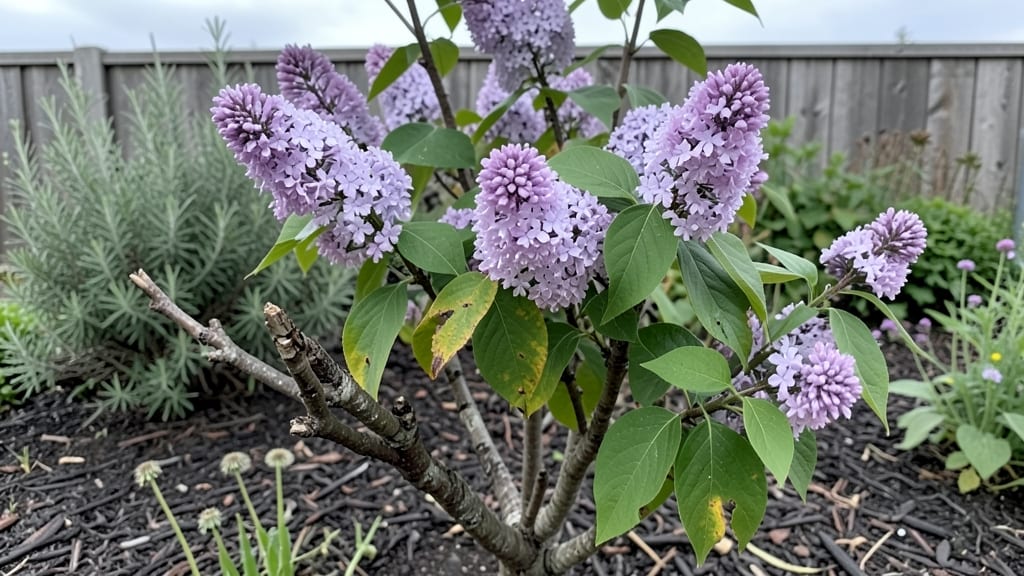
A flowering lilac bush 🌸 thrives when you time its care just right, and the difference between a sparse shrub and a fragrant explosion of purple is often in the details.
Your lilac bush could be blooming more abundantly—if you prune at the right time. Timing isn’t just about cutting branches; it’s the secret to unlocking a cascade of fragrant purple flowers year after year.
Most gardeners wait until spring to prune, but that’s actually the worst time for a flowering lilac bush. The key is to prune right after the blooms fade in late spring or early summer, giving the plant enough time to set next year’s buds before winter.
In this guide, I’ll walk you through the exact steps to prune for maximum blooms, how to avoid common mistakes that stifle growth, and the seasonal care routine that keeps your lilac thriving for decades.
Best pruning times for flowering lilac bushes to boost blooms
Timing your lilac bush pruning correctly can transform your fragrant blooms from sparse to spectacular. The key lies in understanding how lilac flower buds develop—most form on old wood during the previous year's growing season. Cutting at the wrong time risks removing next year's blooms entirely.
Many gardeners make the mistake of pruning lilacs in early spring before buds swell. This removes flowering buds that formed last summer, leaving your bush nearly bare. The best pruning times depend on your climate zone and whether you want to encourage new growth or maintain established blooms.
In USDA Zones 5-7 (where lilacs thrive), the two critical windows are late winter/early spring (just before buds break) and right after flowering. Each approach serves a different purpose—one for shaping, the other for rejuvenation.
Here’s the science: Lilacs bloom on second-year wood, meaning buds set in summer to flower the following spring. Pruning too early disrupts this cycle, while waiting too long can encourage overgrowth and reduce air circulation, inviting pests.
The ideal pruning window after flowering is 4-6 weeks post-bloom. This gives buds time to form on new growth while allowing you to clean up spent flowers and shape the bush without sacrificing next year’s display.
For late-winter pruning (Zones 6-7), aim for February-March, just as buds begin to swell. This is perfect for rejuvenation pruning—cutting back 1/3 of old wood to stimulate younger, more vigorous growth.
Climate plays a huge role: In warmer southern zones (8+), lilacs may bloom twice a year, so prune lightly after the second flush to avoid overstimulating new growth before winter. In cooler northern zones (3-5), focus on late-winter pruning to prevent frost damage to fresh cuts.
Now, let’s break down the pruning timeline with a simple table to help you visualize the best approach for your region and goals.
🌸
If you’re in a warmer zone (8+), your lilac may bloom twice a year—once in spring and again in summer. In this case, prune lightly after the second flush to avoid overstimulating new growth before winter. This light pruning keeps the bush healthy without sacrificing blooms.
For older lilac bushes that have become woody and sparse, a rejuvenation cut in late winter is your best bet. Cut back 1/3 of the oldest branches to the ground. This drastic measure encourages new shoots from the base, revitalizing the bush over 2-3 years.
Pro tip: Mark the oldest branches with a ribbon before pruning. These are the ones to cut back first, as they’ve already produced flowers and won’t bloom again. Younger branches will carry next year’s blooms.
🌿
Step-by-step lilac pruning guide for maximum flower production
Pruning your flowering lilac bush at the right time and with the right techniques can transform a sparse display into a lush, fragrant canopy. The key lies in understanding when to cut and how to shape your bush to encourage healthy growth and abundant blooms.
Whether you're dealing with overgrown branches or simply maintaining shape, these steps will guide you through the process safely and effectively.
Before you begin, gather your pruning tools—a pair of sharp bypass pruners for clean cuts, loppers for thicker branches, and gloves to protect your hands. Safety is critical; always sterilize your tools with rubbing alcohol to prevent spreading disease between cuts.
Now, let’s dive into the step-by-step process that will maximize your lilac’s flowering potential.
Step-by-Step Lilac Pruning Process
-
Step 1: Deadhead Spent Blooms
After your lilac finishes flowering, remove faded blossoms down to the first set of healthy leaves. This encourages the bush to focus energy on next year’s blooms rather than seed production.
-
Step 2: Shape the Bush
Use loppers to trim back any overcrowded branches that rub against each other. Aim for an open center to improve airflow and reduce disease risk.
-
Step 3: Thin Out Old Wood
Identify 3-5-year-old stems (they’re thicker and woody). Cut these back to the ground level to rejuvenate the bush and promote new growth from the base.
-
Step 4: Prune for Size Control
If your lilac is too tall or wide, trim the outer branches to maintain your desired shape. Never cut more than 1/3 of the bush in a single year.
-
Step 5: Clean Up and Sterilize
Remove all pruned debris from the area and sterilize tools again to prevent bacterial or fungal spread. Dispose of clippings in the trash, not the compost.
Timing is everything when it comes to lilac pruning. For spring-blooming varieties, prune immediately after flowering to avoid cutting off next year’s flower buds, which form on last year’s growth.
If your lilac blooms late in the season, you can prune in late winter or early spring before new growth begins.
One common mistake is pruning too late in the season, which can leave your lilac vulnerable to winter damage. Always aim to finish pruning at least 6 weeks before the first frost to allow the bush to heal.
For young lilacs (under 3 years old), minimal pruning is needed—just remove dead or crossing branches to encourage a strong structure.
With these steps, your flowering lilac bush will reward you with vibrant, fragrant blooms for years to come. Remember, patience and consistency are key—your lilac will thank you with a stunning display every spring! 🌸