
Trees
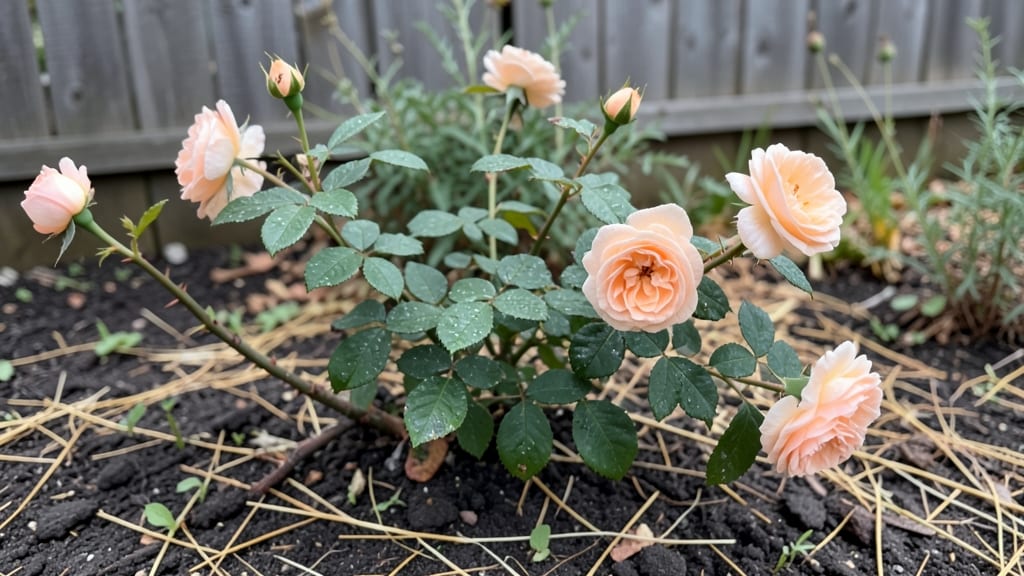
The flowering peach Corinthian rose 🌸 transforms any garden with its velvety peach blooms and intoxicating fragrance—but without the right care, those showstopping flowers won’t last.
Picture this: you’ve spent months nurturing your Corinthian rose, only for it to put out a few blooms before fading into leggy, bare stems. The secret isn’t just water or soil—it’s pruning.
Done right, you’ll get year-round blooms; done wrong, you’ll end up with a sad, overgrown shrub.
This guide cuts through the confusion with expert pruning techniques tailored for your USDA Zone 6a climate, so you can enjoy that peach-colored beauty from spring through fall. No more guesswork—just lush, fragrant blooms that keep coming back.
Ready to revive your Corinthian rose? I’ll walk you through when to prune, which cuts to make (and which to avoid), and how to keep your shrub thriving for decades. Let’s get started.
When and how to prune flowering peach Corinthian roses for maximum blooms
Pruning your flowering peach Corinthian rose isn’t just about shaping its growth—it’s the secret to unlocking year-round blooms. This fragrant shrub thrives when you follow a seasonal pruning schedule that balances bloom stimulation and plant health.
Without the right cuts, you’ll miss out on those peach-hued flowers that make this rose so special.
Unlike some roses that bloom just once, the Corinthian rose produces flowers on both old wood and new growth. This means timing matters—cut too early, and you’ll sacrifice spring blooms; wait too long, and summer flowers suffer.
My step-by-step guide covers what to prune, when to prune, and how to prune for maximum impact, including deadheading techniques to extend the flowering season.
Step-by-Step Pruning Schedule for Flowering Peach Corinthian Roses
- 1 Late Winter (February): Prune for structure. Remove dead or diseased branches first, then cut back last year’s growth by 1/3 to encourage new blooms. Aim for an open center to improve airflow.
- 2 Early Spring (March-April): Focus on light pruning to shape the bush. Trim weak or crossing branches just above an outward-facing leaf bud. Avoid heavy cuts—this is when spring blooms form on old wood.
- 3 Summer (June-July): Deadhead spent blooms immediately after flowering. Cut stems back to the first healthy leaf below the bloom to redirect energy into new flowers. This triggers continuous flowering through summer.
- 4 Early Fall (September): Lightly prune to remove overcrowded branches and weak growth. Stop heavy pruning now—new growth won’t harden off before winter. Focus on cleaning up the bush for dormancy.
- 5 Winter (December-February): No pruning unless removing frozen or damaged branches. Wait until late winter to avoid cutting into dormant buds. Apply mulch to protect roots from freezing.
💡 Pro Tip: Always use sterilized tools to prevent disease spread between cuts.
For deadheading, I recommend using clean, sharp pruners to snip stems just above a leaf node. This encourages the plant to redirect energy into new blooms rather than seed production.
If you notice yellowing leaves or black spots, pause pruning and treat with neem oil or copper fungicide to protect your rose.
Your Corinthian rose will reward you with vibrant peach blooms all season if you stick to this schedule. Start with late winter pruning to set the stage for spring blooms, then maintain with summer deadheading to keep flowers coming.
Avoid the temptation to prune too aggressively—this rose thrives on balanced cuts that encourage both structure and flowering.
If your rose hasn’t bloomed as expected, check your pruning timing and sunlight exposure. These peach Corinthian roses need 6+ hours of full sun daily to produce their best flowers.
Pair your pruning efforts with regular watering (about 1 inch per week) and a balanced fertilizer in early spring to see dramatic results.
Remember, every cut should have a purpose: remove dead wood, open up the center, or stimulate new growth. With patience and precision, your Corinthian rose will become a showstopper in your garden, blooming from spring to frost. Happy pruning!
🌸
Common pruning mistakes that kill your Corinthian rose’s blooms (and how to fix them)
Your flowering peach Corinthian rose may look stunning now, but poor pruning habits can quickly turn its vibrant blooms into sparse, weak growth. Many gardeners unintentionally damage their roses by following common pruning myths—like cutting too late in the season or using dull tools.
The good news? These mistakes are fixable with the right techniques and timing.
Even experienced gardeners sometimes make critical pruning errors that reduce flowering. For example, over-pruning in winter can shock your rosebush, while improper cuts leave it vulnerable to disease. Understanding these pitfalls—and how to recover—will help your Corinthian rose thrive with year-round blooms and lush foliage.
Cutting back more than 1/3 of the plant in a single session stresses the rosebush, reducing next year’s blooms. Flowering peach Corinthian roses need balanced pruning—never remove more than 25% of the canopy at once. If you’ve already over-pruned, focus on light feeding and deep watering to recover.
One of the biggest mistakes is pruning at the wrong time. Many gardeners wait until late winter or early spring, but Corinthian roses bloom on old wood, meaning last year’s growth produces this year’s flowers.
Pruning too early can remove potential bloom buds before they open. Instead, prune just after flowering in late spring or early summer to encourage new growth without sacrificing blooms.
Another common error is making improper cuts. Ragged or uneven snips leave wounds that invite disease and pests. Always use clean, sharp pruners and cut at a 45-degree angle, about 1/4 inch above a bud.
If your cuts look jagged, sterilize your tools with rubbing alcohol and trim again for a smooth finish. This small detail makes a huge difference in your rose’s health.
Ignoring dead or diseased branches is another silent killer of Corinthian rose blooms. These branches drain energy from healthy growth. Remove them immediately by cutting 6 inches below the damage to healthy wood.
If you spot black spots or powdery mildew, prune infected areas and apply neem oil to prevent spread. Regular inspections keep your rosebush strong and vibrant.
Finally, skipping deadheading after blooms fade leads to seed formation, which saps energy from new flowers. Pinch off spent blooms just above a set of healthy leaves to redirect the plant’s energy into producing more peach-colored blooms.
This simple step ensures your Corinthian rose keeps flowering continuously throughout the season.