
Trees
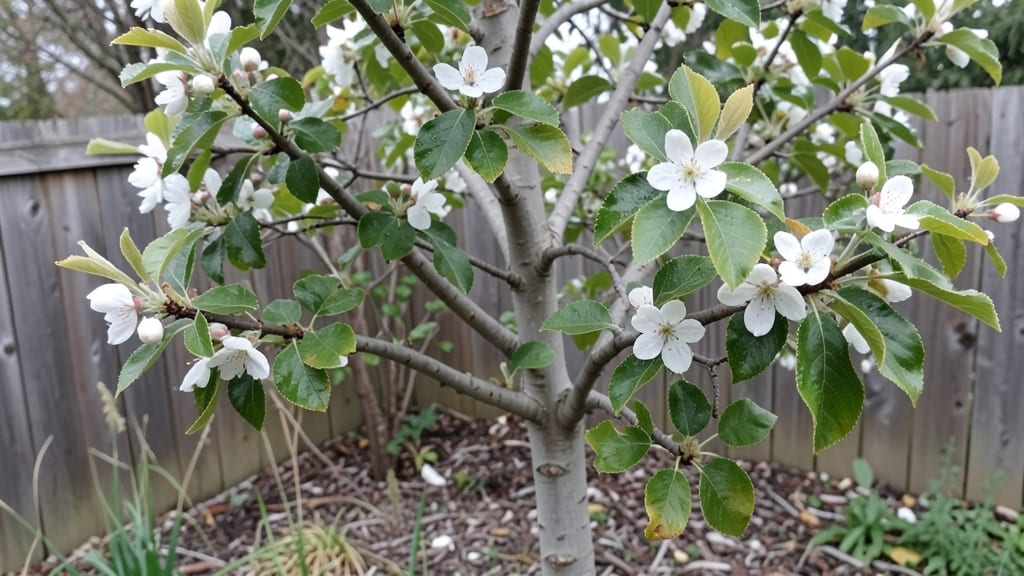
That flowering pear leaf might be whispering secrets—hinting at silent struggles threatening your tree’s stunning 🌸 display before disaster strikes.
Yellowing, curling, or spotted leaves aren’t just unsightly; they’re silent signals your tree is struggling with fungal infections, nutrient deficiencies, or environmental stress. In Zone 6, where flowering pears thrive, these issues can escalate fast if ignored.
Don’t wait for bare branches to realize something’s wrong. Below, I’ll break down the most common leaf problems—from powdery mildew to iron chlorosis—and show you exactly how to diagnose and fix them before they spread.
You’ll learn when to prune for airflow, which fertilizers to use (and when to avoid them), and how to spot pests early. By the end, your flowering pear’s leaves will be healthier than ever.
Flowering pear leaf problems: 7 most common causes and visual clues
Your flowering pear tree (Pyrus calleryana) is a stunning addition to any landscape, but its leaves can tell a story—sometimes one of distress. When you spot yellowing edges, brown spots, or curling foliage, it’s your tree’s way of signaling trouble.
The key to saving your tree lies in recognizing these visual clues early and matching them to the root cause. Let’s break down the most common issues and how to spot them before they spread.
Flowering pears are hardy, but they’re not immune to problems like fungal infections, nutrient deficiencies, or pest invasions.
Each issue leaves a unique fingerprint on the leaves—whether it’s powdery mildew (white powdery patches), iron chlorosis (yellow leaves with green veins), or aphid damage (sticky residue and curled leaves). Understanding these signs helps you act faster, preventing permanent damage to your tree’s health and beauty.
Below is a quick-reference guide to help you diagnose leaf problems by their visual symptoms. Use this as your first step before diving into solutions. Remember, early detection is your best defense against losing those vibrant blooms and lush foliage.
Now that you’ve matched the symptoms to potential causes, let’s dive deeper into each issue. For example, iron chlorosis is common in alkaline soils, where the tree struggles to absorb iron. Look for yellowing between veins while the veins stay green—a classic sign.
If you’re seeing powdery mildew, check the undersides of leaves for that telltale white dust, especially in humid or shaded conditions. This fungal issue thrives when airflow is poor, so pruning to improve circulation can help prevent it.
Pests like aphids or Japanese beetles leave behind unmistakable clues. Aphids create a sticky honeydew that attracts sooty mold, while Japanese beetles chew irregular holes in leaves. If you spot these signs, act quickly—aphids multiply rapidly, and beetles can defoliate a tree in weeks.
For environmental stress, like drought or heat damage, focus on the leaf edges. They’ll turn brown and crispy when the tree isn’t getting enough water,
Step-by-step fixes for flowering pear leaf issues by cause
When your flowering pear tree starts showing signs of distress like yellowing leaves, brown spots, or curling edges, it’s time to take action. The good news?
Most issues have simple, targeted fixes. I’ve diagnosed and treated flowering pear leaf problems for years, and these step-by-step solutions will help you revive your tree’s health—without guesswork.
First, identify the root cause: Is it a nutrient deficiency, fungal infection, pest infestation, or environmental stress? Each requires a different approach. Below, I’ve broken down the most effective fixes, including product recommendations and timing tips to ensure your tree thrives again.
Powdery Mildew (White Fuzzy Spots)
Apply neem oil fungicide (e.g., Bonide Copper Fungicide) every 7–10 days until symptoms disappear. Prune affected branches 1 inch below the infected area to prevent spread.
Chlorosis (Yellow Leaves with Green Veins)
Add chelated iron (e.g., Ironite) to the soil and water deeply. For alkaline soil, use sulfur to lower pH. Repeat every 3 months during growing season.
Pest Infestation (Aphids, Scale, or Spider Mites)
Spray with neem oil or insecticidal soap (e.g., Safer Brand Insect Killing Soap) every 5–7 days for 2–3 weeks. Use a hose to blast off aphids from leaves.
Overgrowth or Crowded Branches
Prune in late winter or early spring before new growth starts. Remove 1/3 of the canopy to improve airflow. Use sterilized pruners and seal cuts with pruning sealant.
Environmental Stress (Drought or Heat)
Water deeply 2–3 times per week during droughts. Apply mulch (3–4 inches) around the base to retain moisture. Avoid overhead watering in hot afternoons.
Remember, consistency is key. For example, if your flowering pear has powdery mildew, you’ll need to reapply fungicide until the white spots vanish completely. And if you’re dealing with chlorosis, test your soil’s pH annually to ensure it stays in the 6.0–7.0 range.
Once you’ve addressed the issue, monitor your tree closely for 3–4 weeks to confirm improvement. Healthy leaves should regain their vibrant green color and firm texture. If problems persist, consult a local arborist for a deeper diagnosis—sometimes root issues or hidden pests lurk beneath the surface.
With these targeted fixes, your flowering pear tree will bounce back stronger than ever—just in time for next year’s showstopping blooms! 🌸