
Blooming
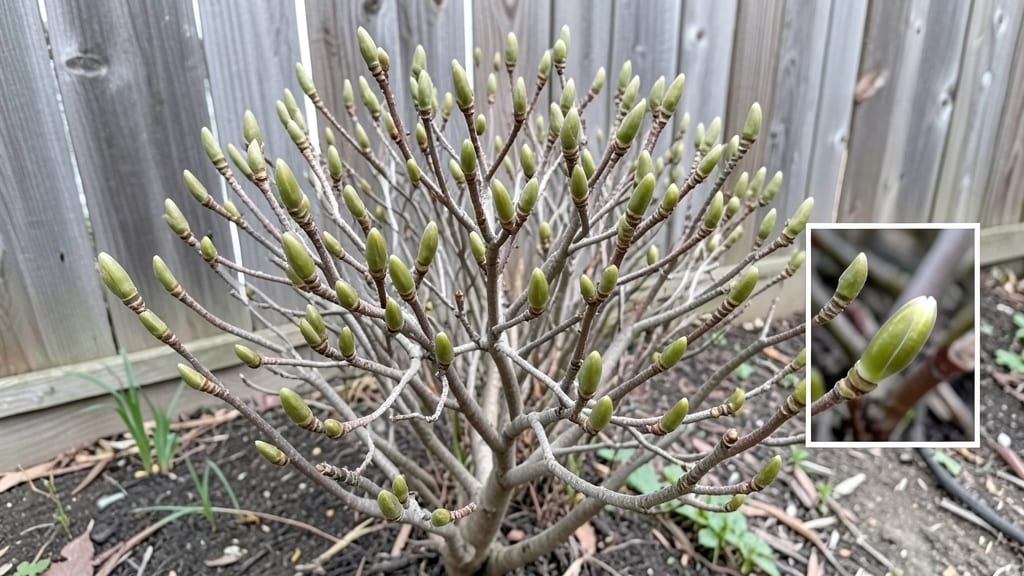
Forsythia not flowering can feel like watching a golden promise fade before it even blooms. 🌱 I’ve had my share of bare branches where bright yellow clusters should be—and after years of trial and error, I’ve pinpointed the exact fixes that bring them back.
The key isn’t guessing; it’s understanding whether your shrub is too young, overpruned, starved, or just waiting for the right conditions.
Most gardeners overlook the timing of pruning—cutting at the wrong time can strip away next year’s flower buds before they form. Others assume older shrubs naturally slow down, but age isn’t the real villain here: nutrient deficiencies or shade creep from nearby trees often steal the show.
Even sunlight-loving forsythia can get lazy if crowded out by faster-growing neighbors.
You’ll see buds swelling within 4-6 weeks of proper care—prune right after flowering, feed with balanced fertilizer in early spring, and thin out overgrown branches to let light and air circulate.
The first year might take patience, but by season two, your shrub will reward you with vibrant yellow cascades that make every spring feel like a celebration.
Works for both young shrubs and established ones, whether you’re dealing with a single plant or a whole hedge. Let’s turn those bare stems into a burst of color—here’s exactly how to diagnose and fix it.
Hidden Reasons Your Forsythia Skips Blooms
If your Forsythia shrub is sitting pretty but refusing to bloom, the culprit is often one (or more!) of these overlooked factors. Understanding the science behind why your plant is playing hard-to-get is the first step to bringing back those vibrant yellow flowers.
Let’s dig into the real reasons your forsythia is holding out—and how to fix them.
🌡️ Insufficient chill hours (the cold truth)
Forsythias are dormant bloomers, meaning they need a period of cold weather to trigger flower buds. Without enough chill hours (typically 400–1,000 hours below 45°F/7°C), the plant won’t set buds for spring blooms.
- Why it happens: Mild winters, urban heat islands, or microclimates (like a south-facing wall) can prevent the shrub from getting the cold snap it needs.
- Actionable fix:
- Move the plant to a cooler, north-facing spot if possible.
- Use burlap wraps or frost blankets to simulate winter conditions in warmer climates.
- If you’re in a temperate zone, consider a dormant spray (like hydrogen cyanamide) to mimic natural chilling.
⏰ Pruning at the wrong time (timing is everything)
Forsythias bloom on old wood, meaning last year’s growth holds the flower buds. If you prune after the blooms appear (or in late summer/fall), you’re cutting off next year’s flowers.
- Why it happens:
- Pruning too late (after June) removes flower buds before they’ve formed.
- Heavy pruning every year can exhaust the shrub, leaving no energy for blooms.
- Actionable fix:
- Prune right after flowering (late spring/early summer) to shape the shrub without cutting into last year’s wood.
- Avoid renewal pruning (cutting back to the ground)—this is for rejuvenation, not blooms.
- If the shrub is overgrown, thin out old stems (those thicker than a pencil) to improve airflow and light penetration.
☀️ Too much (or too little) sun (the light balance)
Forsythias thrive in full sun (6+ hours daily), but too much harsh afternoon sun—especially in hot climates—can stress the plant, while shade reduces flower production.
- Why it happens:
- Overly hot, dry conditions cause the plant to prioritize survival over blooming.
- Deep shade (like under tall trees) weakens growth, leading to fewer flowers.
- Actionable fix:
- Ensure morning sun + afternoon shade in hot zones (use a light lattice for partial shade).
- If in full sun, mulch deeply (3–4 inches) to retain moisture and cool roots.
- Water deeply 1–2 times per week during dry spells to prevent stress.
💧 Watering woes (the over/under dilemma)
Forsythias hate wet feet but also struggle with drought stress. Both extremes can stunt blooming by disrupting nutrient uptake and root health.
- Why it happens:
- Overwatering leads to root rot, cutting off nutrients needed for flower production.
- Underwatering causes the plant to focus on survival, delaying or preventing blooms.
- Actionable fix:
- Water deeply but infrequently—aim for 1–1.5 inches per week (including rain).
- Improve drainage by amending soil with compost or perlite if planting in clay.
- Avoid wetting foliage to prevent fungal diseases (like powdery mildew), which weaken the plant.
🌱 Nutrient deficiencies (what’s missing in the soil?)
Forsythias need balanced nutrients, especially phosphorus (for blooms) and potassium (for root strength). Poor soil or over-fertilizing with nitrogen can derail flowering.
- Why it happens:
- Too much nitrogen (from lawn fertilizers) promotes leafy growth at the expense of flowers.
- Compacted or nutrient-poor soil starves roots, leading to weak blooming.
- Actionable fix:
- Test soil pH—forsythias prefer 6.0–7.0. Amend with lime (to raise pH) or sulfur (to lower it) if needed.
- Feed with a balanced, bloom-boosting fertilizer (like 10-10-10 or 5-10-5) in early spring.
- Avoid high-nitrogen fertilizers (like 30-0-0)—these are for lawns, not shrubs!
Now that you know the real culprits behind your forsythia’s bloom drought, it’s time to take action. The good news? Most of these fixes are simple and can bring back those cheerful yellow clusters next season. Which one will you tackle first?
Revive Your Forsythia’s Bloom
Now that you know the likely reasons behind your forsythia’s lack of flowers, let’s tackle the fixes—step by step. Each solution is tailored to address specific causes, so pick the one that matches your shrub’s situation.
And don’t forget the prevention tips at the end to keep your forsythia blooming beautifully for years!
🌱 Fix 1: Prune at the Right Time
Cause: Late or improper pruning cuts off next year’s flower buds.
How to Fix It: 🔥 When to Prune: Wait until right after blooming (spring or early summer). Never prune in late summer or fall—this removes next year’s buds! 🍳 How to Prune:
- Use clean, sharp pruners (sterilize with rubbing alcohol to prevent disease).
- Remove dead, diseased, or crossing branches first.
- Cut back overly long stems to encourage bushier growth (but leave at least 3–4 buds per stem).
- Avoid shearing—this harms the plant’s natural shape and bud formation.
💡 Pro Tip: If your forsythia is overgrown, prune gradually over 2–3 years to avoid shock.
🌞 Fix 2: Ensure Full Sun Exposure
Cause: Too much shade weakens growth and reduces flowering.
How to Fix It: 👨🍳 Move or Thin Surrounding Plants:
- Forsythias need 6+ hours of direct sunlight daily. If shaded by trees or structures, trim nearby foliage or relocate the shrub to a sunnier spot.
- Test sunlight: Observe where shadows fall at midday—aim for the brightest area.
🌡️ Adjust Planting Location (If Needed):
- If relocating, dig a hole twice as wide as the root ball and amend the soil with compost.
- Water deeply after transplanting to reduce stress.
✨ Bonus: If moving isn’t an option, prune taller plants to let more light reach your forsythia.
💧 Fix 3: Water and Fertilize Properly
Cause: Underwatering or poor soil nutrition stunts flower production.
How to Fix It: 🔪 Watering Schedule:
- Deep water 1–2 times per week (1–1.5 inches per session). Let the top 2–3 inches of soil dry out between waterings.
- Avoid soggy soil—forsythias hate "wet feet." Ensure the planting area has good drainage.
🍎 Fertilizing Routine:
- Spring (after pruning): Apply a balanced, slow-release fertilizer (10-10-10 or 20-20-20). Follow package instructions.
- Optional boost: Mix in compost or bone meal (for phosphorus) to encourage blooms.
- Avoid high-nitrogen fertilizers—these promote leafy growth over flowers.
📊 Soil Test: If flowers still don’t appear, test your soil’s pH (ideal range: 6.0–7.0). Amend with lime (to raise pH) or sulfur (to lower it) if needed.
⏰ Fix 4: Adjust Age or Variety
Cause: Young plants or certain varieties may not bloom yet—or ever.
How to Fix It: 🌟 For Young Shrubs:
- Forsythias typically bloom 2–3 years after planting. Be patient!
- Encourage early blooming: Give extra care (sun, water, fertilizer) to speed up maturity.
🌸 For Non-Flowering Varieties:
- Some dwarf or sterile cultivars (like Forsythia ‘Little Gold’ or Forsythia ‘Spring Glory’) focus on foliage. Check your plant’s tag or research its specific traits.
- Solution: Replace with a reliable bloomer like Forsythia x intermedia or Forsythia ovata if flowers are a priority.
💡 Pro Tip: If your shrub is over 10 years old, it may be past its prime. Consider replacing it with a younger, healthier plant.
🐞 Fix 5: Protect from Pests and Disease
Cause: Infestations or infections stress the plant, reducing blooms.
How to Fix It: 🐛 Common Pests:
- Aphids, spider mites, or scale insects suck sap, weakening the plant.
- Treatment: Spray with neem oil or insecticidal soap (follow label instructions). Repeat every 7–10 days until pests are gone.
🍄 Diseases to Watch For:
- Powdery mildew (white powder on leaves) or leaf spot (brown/yellow patches).
- Treatment: Prune infected branches, improve air circulation, and apply fungicide (copper-based or sulfur-based).
🎯 Prevention:
- Clean up fallen leaves/debris in autumn to reduce disease spores.
- Space plants properly (3–6 feet apart) for airflow.
🛡️ Prevention Tips for Future Blooms
Once your forsythia is back on track, keep these habits to maintain healthy flowering:
- Prune annually after blooming (never in late summer/fall).
- Mulch around the base (2–3 inches of organic mulch) to retain moisture and regulate soil temperature.
- Monitor for pests regularly—early action prevents major damage.
- Avoid over-fertilizing with nitrogen (stick to balanced or bloom-boosting fertilizers).
- Plant in well-draining soil—amend clay soil with compost or sand if needed.
Final Thought: With the right care, your forsythia will reward you with vibrant yellow blooms year after year. Start with the fix that matches your shrub’s needs, and soon you’ll be admiring a lush, flowering forsythia that’s the star of your garden! 🌼
Frequently asked questions
Why isn’t my forsythia blooming after years of healthy growth?
Age isn’t always the issue—most forsythias stop blooming due to improper pruning or nutrient deficiencies. If you’ve pruned in late summer or fall, you likely cut off next year’s flower buds. Try fertilizing with a balanced bloom-boosting formula (like 10-10-10) in early spring and prune right after flowering instead.
How can I tell if my forsythia needs more sunlight?
Check for leggy growth (long stems with sparse foliage) or smaller-than-usual leaves. Forsythias thrive in full sun (6+ hours daily), so if your plant is near tall trees or buildings, try moving it to a brighter spot. Even partial shade adjustments (like trimming nearby branches) can help.
Is it normal for a young forsythia to skip blooming?
Yes! Most forsythias take 2–3 years to mature enough to bloom. If yours is still young, focus on consistent care: full sun, balanced fertilizer, and proper watering (deep but infrequent). Patience pays off—you’ll see those golden blooms soon!
Can overwatering prevent forsythia from flowering?
Wet feet cause root rot, which starves the plant of nutrients needed for blooms. Let the top 2–3 inches of soil dry out between waterings, and ensure your planting area has good drainage. If your soil is heavy clay, amend it with compost or perlite to improve airflow.
What should I do if my forsythia has pests like aphids?
Spray with neem oil or insecticidal soap every 7–10 days until pests disappear. Keep an eye out for powdery mildew (white powder on leaves) too—prune infected branches and improve airflow by spacing plants 3–6 feet apart. Healthy plants resist pests better!