
Trees
Transform your garden into a sensory paradise with these 10 fragrant flowering trees that bloom at different times, filling your outdoor space with natural perfume. Perfect for pollinators, romantic evenings, and year-round fragrance.
Sweet Pea Tree (Lathyrus odoratus)
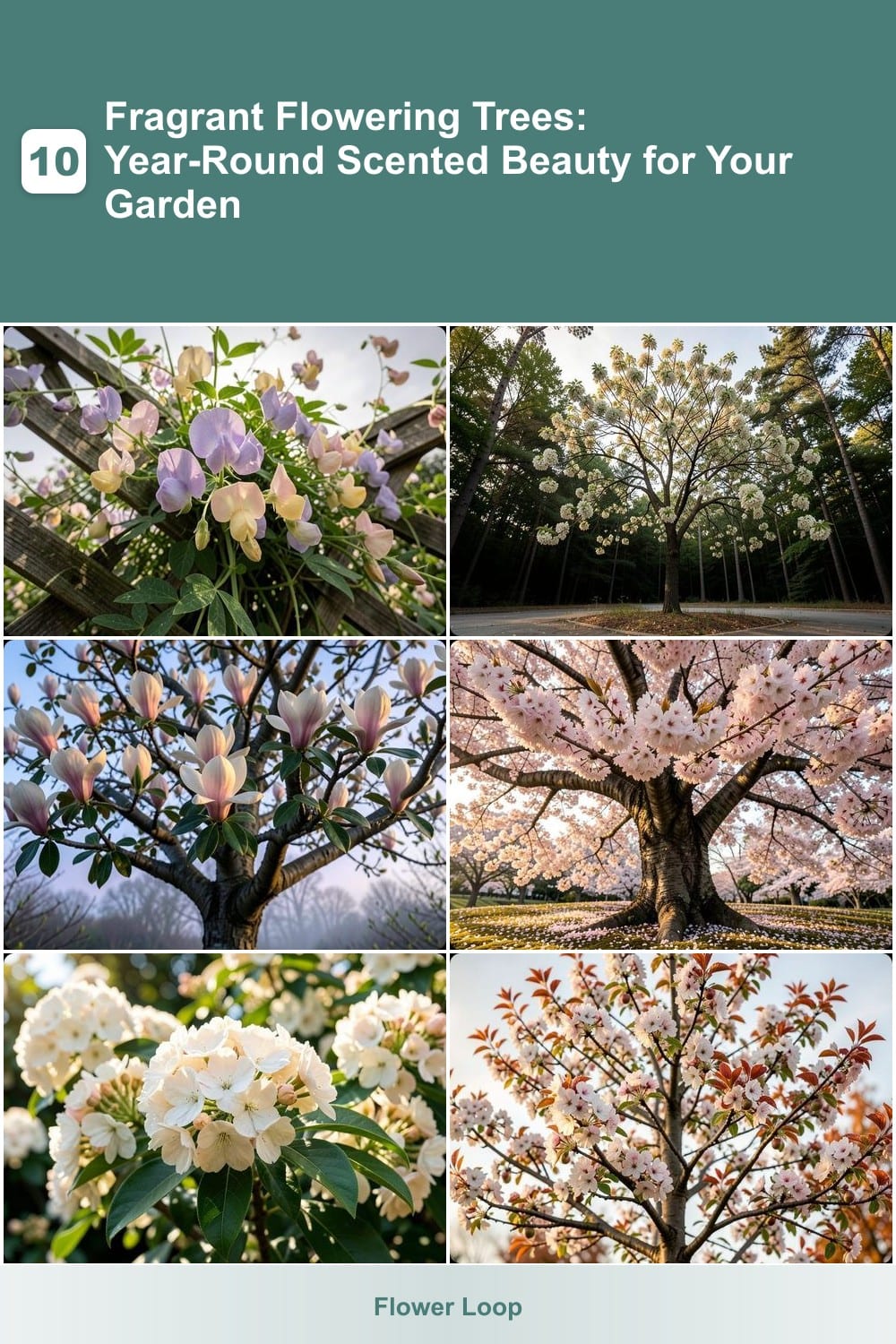
If you crave a garden that smells like a springtime bouquet without the fuss, the sweet pea tree (Lathyrus odoratus) is your secret weapon. This fragrant climber transforms fences and trellises into cascading perfume machines, blooming from late spring through summer with minimal care.
Plant seeds directly in well-draining soil after the last frost, spacing them 6-8 inches apart along your support structure. Sweet peas thrive in full sun to partial shade and love cool weather—ideal for early spring or fall planting in hot climates. Their intoxicating floral scent peaks in the morning, drawing bees and butterflies while repelling pests naturally.
Perfect for small gardens, balconies, or cottage-style yards, this vine offers year-round interest—even the seed pods add texture. Beginners will love how forgiving it is, while pollinator enthusiasts will adore the buzzing activity it creates. 🌱
Fringe Tree (Chionanthus retusus)
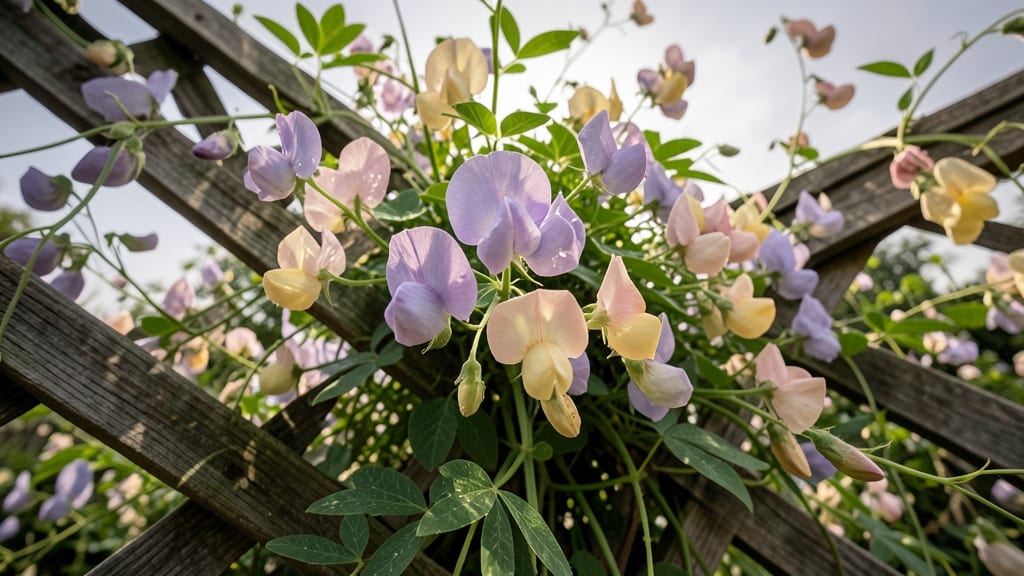
If you crave a fragrant tree that thrives in shade and urban heat islands, the fringe tree (Chionanthus retusus) delivers a jasmine-like perfume without demanding full sun. Unlike sun-loving bloomers, this small tree (15–25 feet tall) excels in partial shade, making it ideal for understory planting or city courtyards where light is limited.
Native to East Asia, this late-spring bloomer (May–June) produces delicate, white, fringe-edged flowers that release their sweet scent at dusk, creating a magical evening atmosphere. It’s drought-tolerant once established and handles urban pollution better than many flowering trees, requiring only well-draining soil and minimal pruning. Its glossy, dark green leaves add year-round structure.
Perfect for small gardens, container growing, or as a low-maintenance focal point, the fringe tree offers elegance without fuss. Urban gardeners and shade-lovers will adore its quiet sophistication. 🌿
Magnolia Soulangeana (Saucer Magnolia)
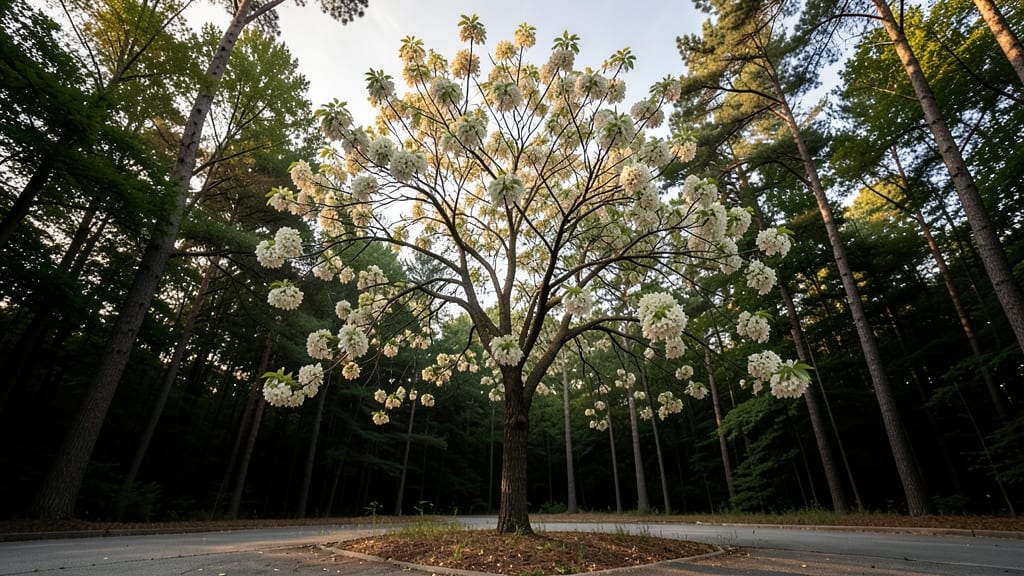
If you crave a garden that wakes up with a burst of fragrance before most trees even think about blooming, the Magnolia Soulangeana—or Saucer Magnolia—is your early spring superstar. Its creamy-pink, saucer-shaped flowers appear as early as late winter in warmer climates, filling the air with a citrusy, almost orange-blossom-like scent that lingers for weeks.
This disease-resistant tree thrives in USDA zones 4-9, making it one of the most adaptable fragrant trees for diverse climates. Plant it in full sun to partial shade, and its glossy green leaves will provide summer shade while its bold blooms create a statement focal point in any landscape. Prune lightly after flowering to maintain its rounded shape.
Perfect for gardeners who want low-maintenance elegance with high impact, this magnolia brings drama without the fuss—ideal for both urban courtyards and rural estates. 🌷
Japanese Cherry Blossom (Prunus serrulata)
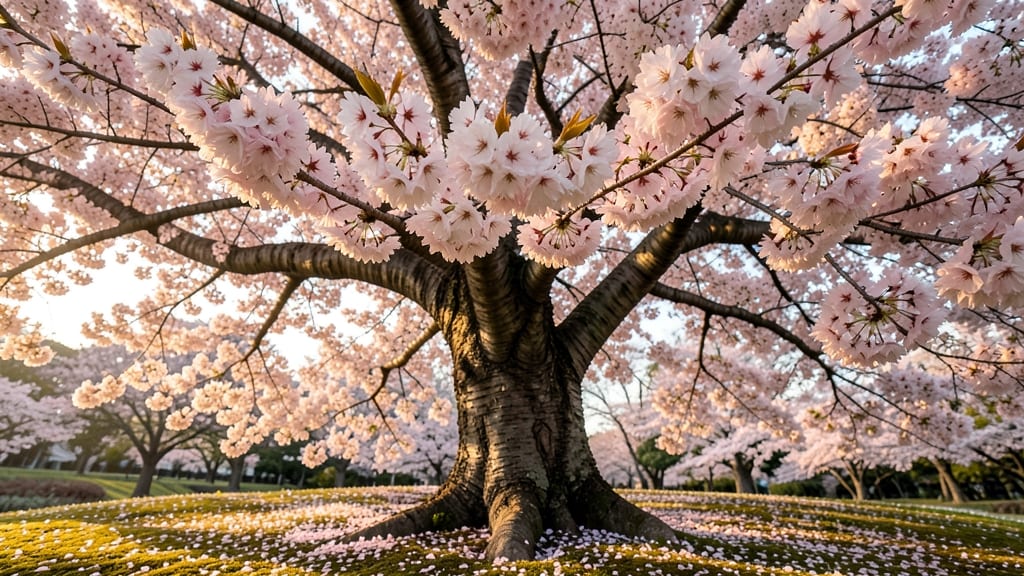
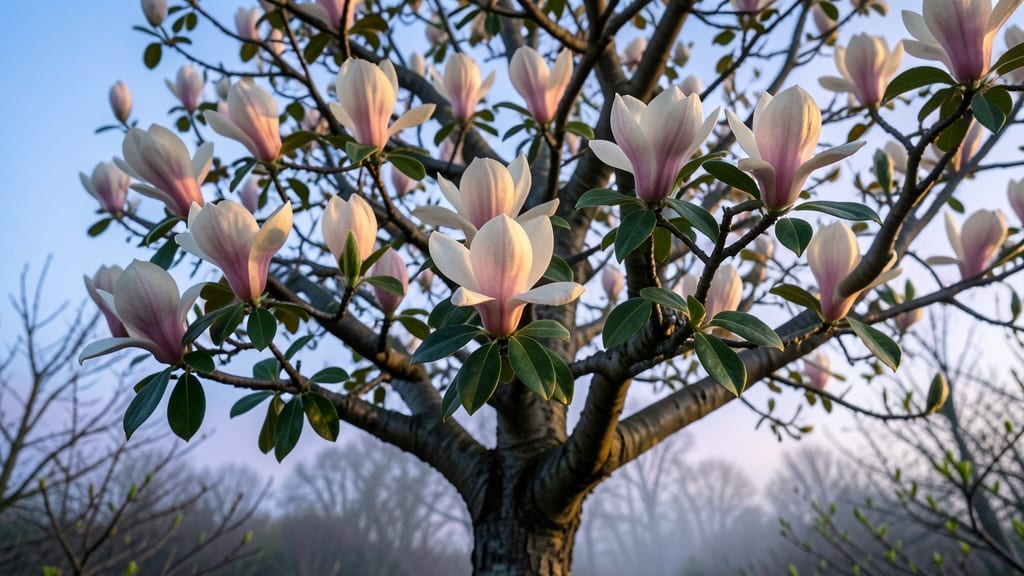
Transform your garden into a living canvas with the Japanese cherry blossom (Prunus serrulata), a tree that brings both visual drama and an almond-like fragrance to spring. Unlike its magnolia or fringe tree counterparts, this tree is all about creating stunning canopies that turn entire landscapes into dreamy pink clouds—ideal for cultural landscaping or adding a touch of Japanese garden elegance.
Plant it in well-draining soil with full sun exposure for optimal blooms, and expect 2-3 weeks of spectacular pink flowers in early spring. The delicate petals attract bees, butterflies, and even songbirds, making it a wildlife magnet while requiring minimal pruning once established. Perfect for urban gardens or traditional landscapes, it thrives in USDA zones 5-8.
If you love seasonal spectacle and cultural aesthetics, this tree delivers unmatched beauty with minimal effort. Just imagine your patio bathed in petal-fall magic every spring! ✨
Mock Orange (Philadelphus coronarius)
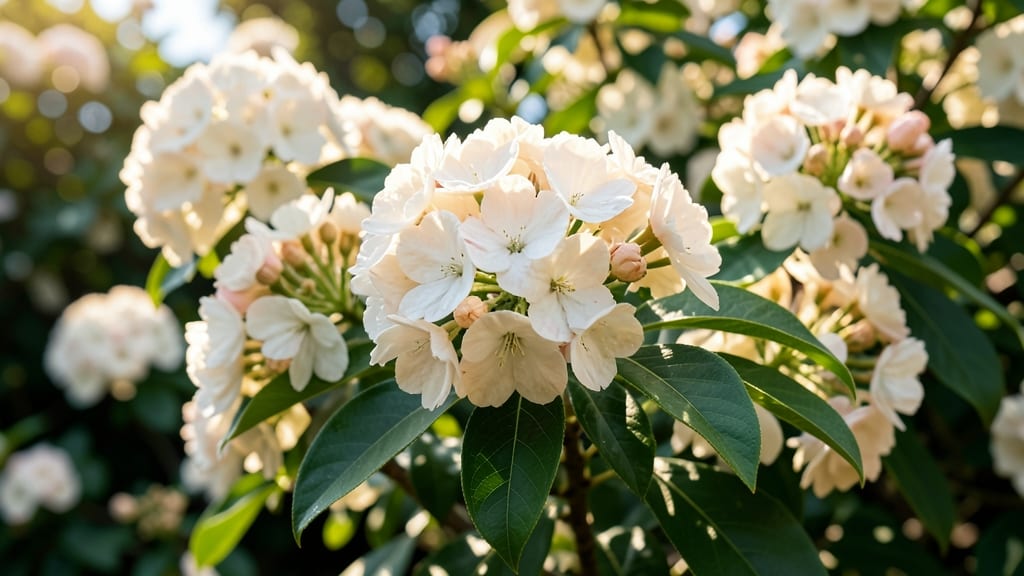
When you crave a garden that smells like a sunny citrus grove but without the fuss of full sun, mock orange (Philadelphus coronarius) delivers a summer-long fragrance that’s pure joy. Unlike its spring-blooming counterparts, this shrub bursts into bloom when most gardens are thirsty for scent, filling your space with a bright, orange-blossom-like aroma that’s stronger than its delicate white flowers suggest.
This partial-shade lover thrives in moist, well-drained soil—making it perfect for understory plantings, woodland edges, or even cottage garden borders where it can spill over stone walls. Prune lightly after flowering to maintain shape, and watch it reward you with clusters of fragrant blooms from June through August. Its disease-resistant nature means fewer headaches for you.
Ideal for gardeners who want low-maintenance elegance with high sensory payoff, mock orange is especially beloved in English cottage gardens and romantic borders. Plant it near seating areas or pathways to enjoy its intoxicating scent up close. 🌻
Crabapple Tree (Malus spp.)
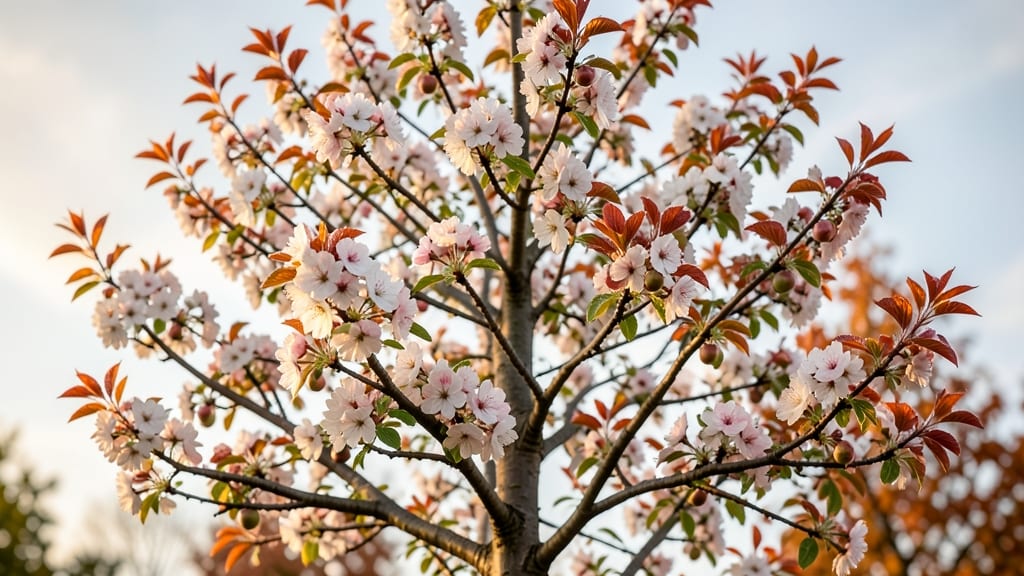
Want a tree that delivers fragrance, color, and wildlife support—without taking over your yard? Crabapple trees (Malus spp.) are the answer, offering year-round interest with their spring blossoms, fragrant flowers, and fiery autumn foliage. Their compact varieties are perfect for small spaces, making them a versatile choice for urban gardens.
These trees thrive in full sun to partial shade and adapt to various soil types, though well-draining soil prevents root rot. Choose fragrant varieties like 'Dolgo' or 'Royalty' for their sweet, apple-like scent that lingers in the breeze. Their small fruits also attract birds, while bees adore the spring blooms—making them a pollinator powerhouse.
Ideal for homeowners with limited space or those seeking low-maintenance beauty, crabapples bring seasonal color and scent with minimal fuss. 🌟
Jacaranda Tree (Jacaranda mimosifolia)
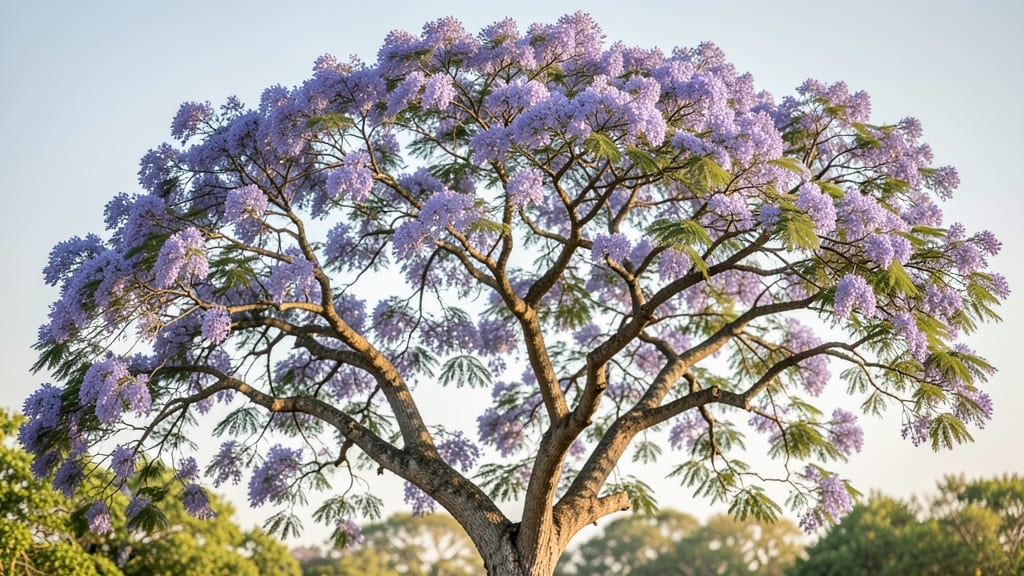
If you dream of a summer garden that feels like a tropical escape, the jacaranda tree (Jacaranda mimosifolia) delivers with its lavender-blue cascades and whisper-sweet fragrance. Unlike spring bloomers, this tree steals the show in June and July, when most gardens are fading into heat—making it the ultimate focal point for warm climates.
Native to South America, jacarandas thrive in USDA zones 9-11 and beyond, loving full sun and well-draining soil. Their fast growth (up to 3 feet per year) creates a dramatic canopy in just a few seasons, while their drought-tolerant nature means less watering once established. The fragrance—though subtle—lingers in the evening, perfect for al fresco dining or evening strolls.
Ideal for Mediterranean-style gardens, urban parks, or as a dramatic street tree, jacarandas bring instant curb appeal. Gardeners in warm climates will adore how they turn summer into a purple-blue dream. ✨
Bradford Pear (Pyrus calleryana)
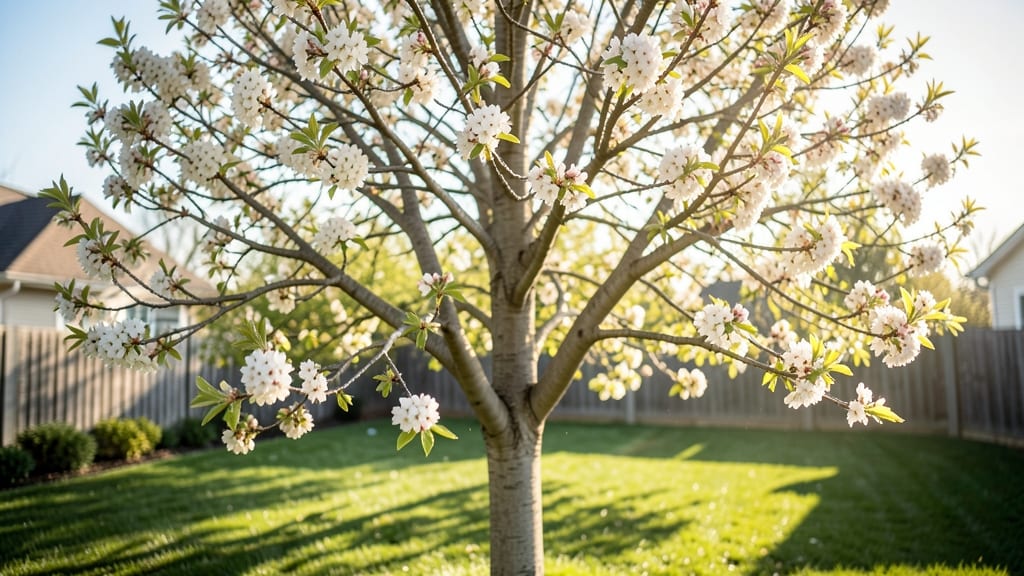
Tired of waiting years for a tree to provide shade and fragrance? The Bradford pear (Pyrus calleryana) delivers both in record time—growing 3-4 feet per year to create instant privacy and dappled shade for your suburban backyard. Its fragrant white spring blooms (April–May) release a light, sweet scent that lingers in the breeze, making it a standout for early-season fragrance.
This low-maintenance tree thrives in full sun to partial shade and tolerates a wide range of soils, including clay—ideal for urban landscapes where other trees might struggle. Plant it as a solitary specimen near patios or along property lines, where its rounded canopy (30–50 feet tall) will quickly block noise and create a cozy retreat. Prune lightly in late winter to maintain shape and encourage dense branching.
Perfect for busy homeowners, new homeowners, or anyone craving quick impact, the Bradford pear’s fast growth and minimal care make it a suburban hero. Just be sure to plant it away from driveways—its fruit drops in fall! 🌟
Forsythia (Forsythia x intermedia)
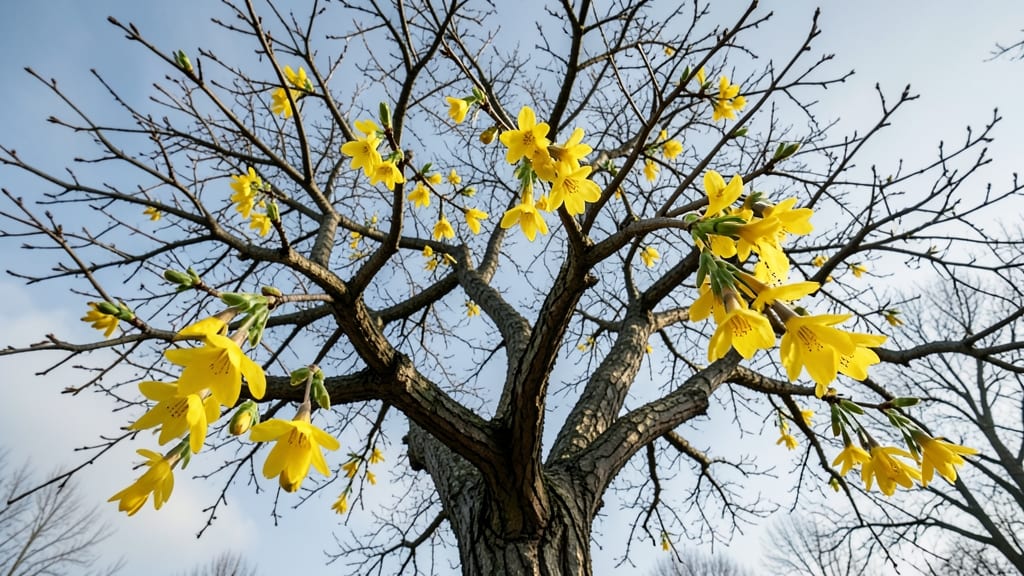
When your garden still feels dormant in late winter, forsythia (Forsythia x intermedia) bursts onto the scene like a cheerful wake-up call. This early spring harbinger produces bright yellow flowers that appear before leaves emerge, creating a striking contrast against bare branches and signaling that warmer days are ahead.
Thriving in USDA zones 4-8, forsythia is one of the most hardy and low-maintenance fragrant shrubs, tolerating everything from full sun to partial shade. Its subtle honey fragrance adds a delicate sweetness to the air, while its fast-growing nature makes it perfect for quick color impact. Prune immediately after flowering to encourage bushier growth, and watch it reward you with years of effortless blooms.
Ideal for small gardens, cottage-style landscapes, or urban courtyards, forsythia brightens winter gardens while requiring almost no special care. Plant it near pathways or seating areas to enjoy its cheerful scent and vibrant color as the first signs of spring arrive. 🌻
Lilac Tree (Syringa vulgaris)
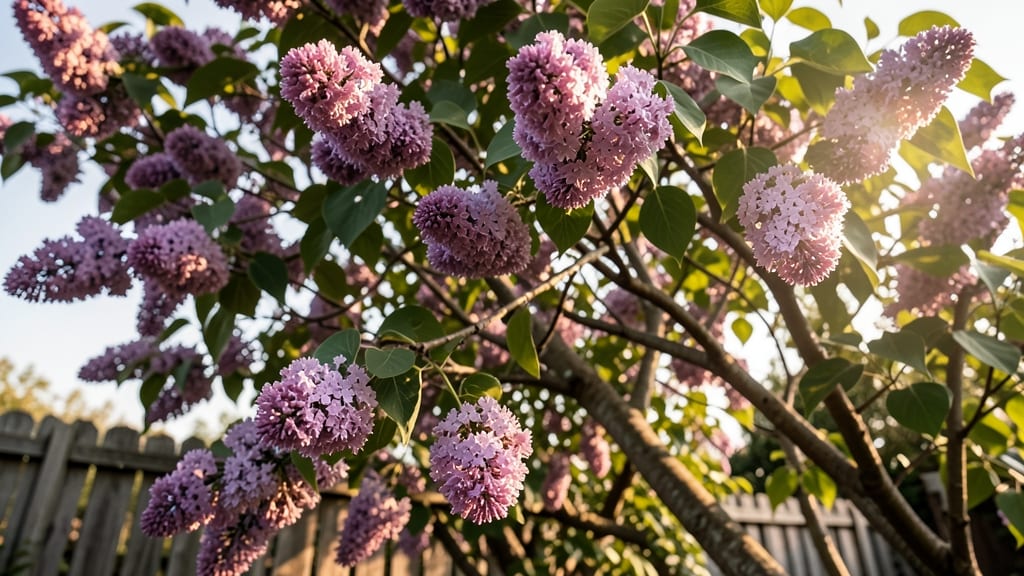
If you’ve ever walked through a grandparent’s garden and been transported back by the memory of lilacs in full bloom, this nostalgic shrub is your bridge to the past. The lilac tree (Syringa vulgaris) isn’t just a fragrant garden staple—it’s a sensory time machine, offering clusters of purple, pink, or white flowers that burst into bloom in late spring with a scent so iconic it’s been immortalized in poetry and perfumes.
Plant your lilac in full sun to partial shade with well-draining soil, and it’ll reward you with 3-4 weeks of intense fragrance that peaks in the morning. Prune lightly after flowering to maintain shape, and you’ll also attract hummingbirds and bees to your garden. Its long-lived wood (some varieties live over 100 years!) makes it a perfect investment for heirloom gardens.
Perfect for cottage gardens, urban courtyards, or as a cutting garden, lilacs bring timeless charm with minimal effort. Whether you’re reviving a family garden tradition or simply craving a classic scent, this shrub delivers pure, unfiltered nostalgia. 🌷