
Blooming
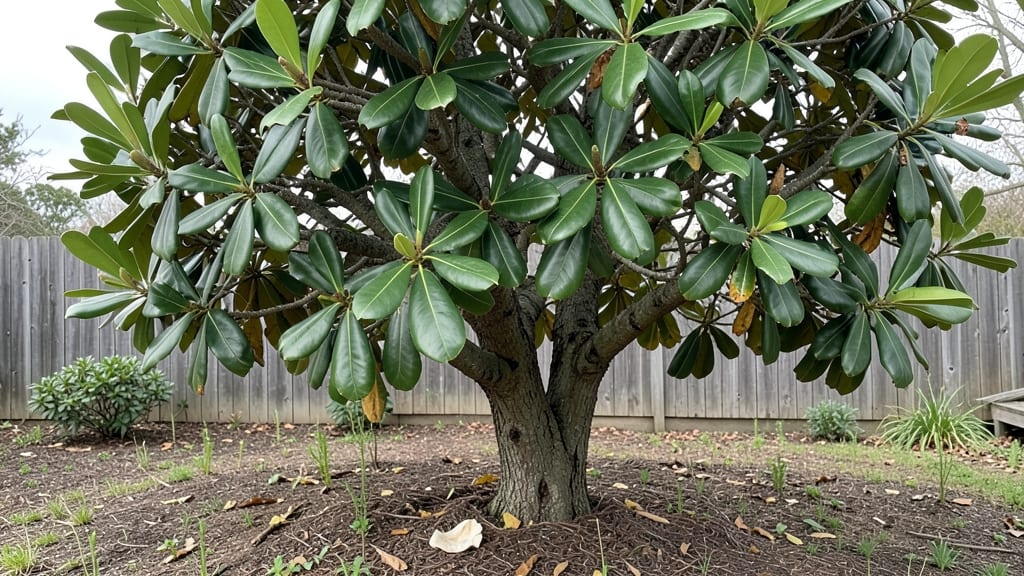
Your magnolia tree not flowering can feel like a cruel joke after years of waiting—especially when you’ve given it everything. 🌸 I’ve nursed my own stubborn magnolia back to bloom after three frustrating seasons, and the fix isn’t as mysterious as it seems.
The problem usually boils down to one of three things: age, pruning blunders, or hidden care gaps that stop the tree from putting energy into flowers instead of survival.
First, check your tree’s age—magnolias often need 10-15 years before they’re mature enough to bloom reliably. If it’s young, patience is key. For older trees, the issue might be pruning: cutting in the wrong season or removing too many branches sends mixed signals to the tree’s growth system.
Even soil pH or nutrient imbalances can starve the blooms before they open. The good news? Most of these fixes take less than 30 minutes to assess and adjust.
By the end of this, you’ll know exactly what’s blocking those iconic blooms—whether it’s a simple pruning tweak, a soil boost, or just waiting a little longer. My tree now bursts with flowers every spring, and I’ll show you how to get there without guesswork. Let’s troubleshoot step by step.
We’ll cover everything from light exposure to seasonal care adjustments, so you can finally enjoy that showstopping display. The secret isn’t complicated—it’s just about giving your magnolia the right conditions to prioritize blooms over everything else.
Why it happens
When your magnolia tree refuses to put on its floral show, it’s often a sign that something fundamental is out of balance. Magnolias are finicky about their conditions—too much shade, the wrong nutrients, or even a misstep in pruning can send them into a "no-bloom" protest.
Let’s break down the most common culprits behind a magnolia tree not flowering, so you can diagnose and fix the issue before next season.
🌱 Insufficient Sunlight or Overcrowded Roots
Magnolias are sun worshippers, especially Southern magnolias (Magnolia grandiflora) and saucer magnolias (Magnolia × soulangeana), which need 6 to 8 hours of direct sunlight daily. Too little light weakens the tree’s energy reserves, leaving it unable to produce blooms.
Even partial shade from nearby trees, structures, or even your own overzealous pruning can starve the tree of the sunlight it craves.
Root competition is another sneaky culprit. If your magnolia’s roots are tangled with aggressive neighbors (like bamboo or black walnut), they’ll struggle to absorb water and nutrients efficiently. Symptoms: Sparse foliage, slow growth, and—you guessed it—no flowers.
💡 Pro Tip: Test your tree’s sunlight exposure with a sunlight tracker or simply observe where shadows fall at different times of day. If roots are the issue, consider root pruning or mulching strategically to encourage deeper root growth.
❄️ Age or Immature Tree Struggles
Not all magnolias bloom like teenagers at a concert. Some varieties, like Magnolia stellata (star magnolia), take 3 to 5 years to mature enough for their first flowers. Others, such as Magnolia virginiana (sweetbay magnolia), may wait even longer—up to a decade—in ideal conditions.
But age isn’t just about patience; it’s also about bud formation.
Magnolias produce flower buds in the previous year’s growth, meaning if your tree was stressed (drought, transplant shock, or poor soil) last summer, it might skip blooming this year as a survival tactic. Symptoms: Small, underdeveloped leaves or a generally "lagging" appearance.
🌡️ Quick Fix: If your tree is young, give it time—but optimize its care now. Amend the soil with compost or organic matter and ensure consistent watering to speed up maturation. For older trees, check for diseases or pests that might be sapping energy.
💧 Watering Woes: Too Much or Too Little
Magnolias hate being thirsty, but they also despise soggy roots. Both extremes can trigger a no-bloom response:
- Underwatering: Causes the tree to divert all energy to survival, leaving none for flowers. Signs: Wilting leaves, crispy edges, or leaves that fall prematurely.
- Overwatering: Leads to root rot, which chokes the tree’s ability to absorb nutrients. Signs: Mushy stems, yellowing leaves, or a foul odor at the base.
Even inconsistent watering (e.g., drought followed by a sudden downpour) can confuse the tree’s blooming signals.
Magnolias need 1 to 1.5 inches of water per week, either from rain or deep watering. 🔥 Pro Tip: Use a soil moisture meter to check levels—aim for damp (not soggy) soil 2–3 inches below the surface.
🍄 Poor Soil Nutrition or pH Imbalance
Magnolias are heavy feeders and demand well-draining, slightly acidic soil (pH 5.0 to 6.5). If your soil is too alkaline (pH >7.0) or lacks essential nutrients, the tree will prioritize leaf growth over flowers. Common deficiencies include:
- Nitrogen (N): Too much = lush leaves, no blooms. Too little = stunted growth.
- Phosphorus (P): Critical for flower development. A deficiency shows as dark green leaves with purple stems.
- Potassium (K): Helps with overall tree health and stress resistance.
Test your soil with a home kit or send a sample to a local extension service. If the pH is off, amend with sulfur (to lower pH) or lime (to raise pH). For nutrients, use a balanced, slow-release fertilizer (like 10-10-10) in early spring.
✨ Bonus: Mulch with pine needles or oak leaves to naturally acidify the soil over time.
✂️ Pruning Mistakes That Sabotage Blooms
Magnolias bloom on old wood, meaning their flower buds form on the previous year’s growth. If you prune at the wrong time or too aggressively, you risk removing next year’s blooms before they even appear.
- Pruning in late spring or summer: Cuts into new flower buds, which are already forming.
- Over-pruning: Removing more than 20–30% of the canopy in one go stresses the tree.
- Topping or shearing: Creates an unnatural shape and encourages weak, non-flowering growth.
👨🍳 Correct Pruning Timing: Prune only in late winter or early spring (before buds swell) to avoid damaging flower buds. Focus on:
- Removing dead, diseased, or crossing branches.
- Thinning out the center to improve airflow.
- Avoiding cuts near the trunk or large limbs.
🐛 Pests or Diseases Stealing Energy
Hidden invaders can drain your magnolia’s resources, leaving it too weak to bloom. Watch for:
| Pest/Disease | Signs | Impact on Blooms |
|---|---|---|
| Magnolia scale | Sticky residue (honeydew), yellowing leaves, black sooty mold. | Saps sap, weakens tree, reduces flowering. |
| Borers (lanternfly, bark borer) | Holes in bark, sawdust-like frass, wilting branches. | Disrupts nutrient flow; tree focuses on repair. |
Fungal diseases (anthracnose, powdery mildew)
How to solve itIf your magnolia tree is refusing to bloom, don’t despair—most issues have simple fixes! Below, we’ve mapped out practical solutions tailored to the most common causes, along with prevention tips to keep your tree thriving. Think of this as your magnolia’s bloom revival guide—step by step, with no jargon. 🌱 Too Young or Immature? Give It Time (and the Right Care)Magnolias often take 3–10 years to mature enough for their first blooms, depending on the variety. If yours is still young, focus on building a strong foundation:
Prevention: Plant magnolias in full sun (6+ hours/day) from the start. Young trees need consistent moisture—water deeply 1–2 times per week (more in drought). ☀️ Not Enough Sun? Move or Adjust Its LightMagnolias are sun-worshippers—most varieties need 6+ hours of direct sunlight daily to trigger blooming. If your tree is shaded by buildings, taller plants, or dense foliage:
Prevention: Plant magnolias at least 10–15 feet from large structures or trees. If you must plant near shade, choose a smaller variety like Magnolia stellata (star magnolia), which tolerates partial shade better. 💧 Overwatering or Poor Drainage? Fix the RootsSoggy roots stress the tree and prevent energy from going to flowers. If your magnolia’s soil stays waterlogged or compacted:
Prevention: Plant magnolias on slightly elevated ground or mounds to prevent water pooling. Avoid planting in low-lying areas where water collects. ✂️ Wrong Pruning? How (and When) to Trim for BloomsPruning at the wrong time or too aggressively can remove next year’s flower buds. Magnolias bloom on old wood (buds form the previous year), so timing and technique matter:
Prevention: Never prune more than 25% of the tree’s canopy in one year. For large magnolias, hire a certified arborist if you’re unsure. 🐞 Pest or Disease Damage? Treat It FastPests like magnolia scale, lace bugs, or borers sap the tree’s energy, while diseases (like anthracnose or powdery mildew) can stunt blooms. Act quickly:
Frequently asked questions
1
Why isn’t my magnolia tree blooming even after years of care?Magnolias often need 10-15 years to mature and bloom reliably, especially varieties like Southern magnolia. If your tree is older, check for pruning mistakes, poor soil conditions, or insufficient sunlight. Young trees may just need patience—focus on consistent watering and well-draining, acidic soil to help them mature faster.
2
Can over-pruning prevent my magnolia from flowering?Magnolias bloom on old wood, meaning flower buds form on last year’s growth. Pruning at the wrong time—like late spring or summer—or cutting too aggressively can remove these buds. Always prune in late winter or early spring and avoid removing more than 20-30% of the canopy at once. Focus on dead or diseased branches instead.
3
How do I fix poor soil that’s stopping my magnolia from blooming?Magnolias thrive in slightly acidic soil (pH 5.0-6.5). Test your soil and amend it with compost, peat moss, or pine bark to lower pH if needed. Avoid high-nitrogen fertilizers—they promote leaves over flowers. Instead, use a balanced, slow-release fertilizer in early spring. Mulching with pine needles also helps maintain ideal soil conditions.
4
What should I do if my magnolia isn’t getting enough sunlight?Magnolias need 6-8 hours of direct sunlight daily. If your tree is shaded, prune nearby obstructions or consider relocating it to a sunnier spot during late fall or early spring. For mature trees, strategic pruning of surrounding foliage can help redirect light to the magnolia. Partial shade may work for smaller varieties like star magnolia, but most need full sun for blooms.
5
How can I tell if my magnolia has pests or diseases affecting its blooms?Watch for sticky residue (scale insects), yellowing leaves (anthracnose), or holes in leaves (borers). Treat pests with horticultural oil or insecticidal soap in early spring, and prune affected branches immediately. For fungal issues, ensure proper airflow and avoid overhead watering. Regular inspections help catch problems early before they impact blooming. |