
Pests and Diseases
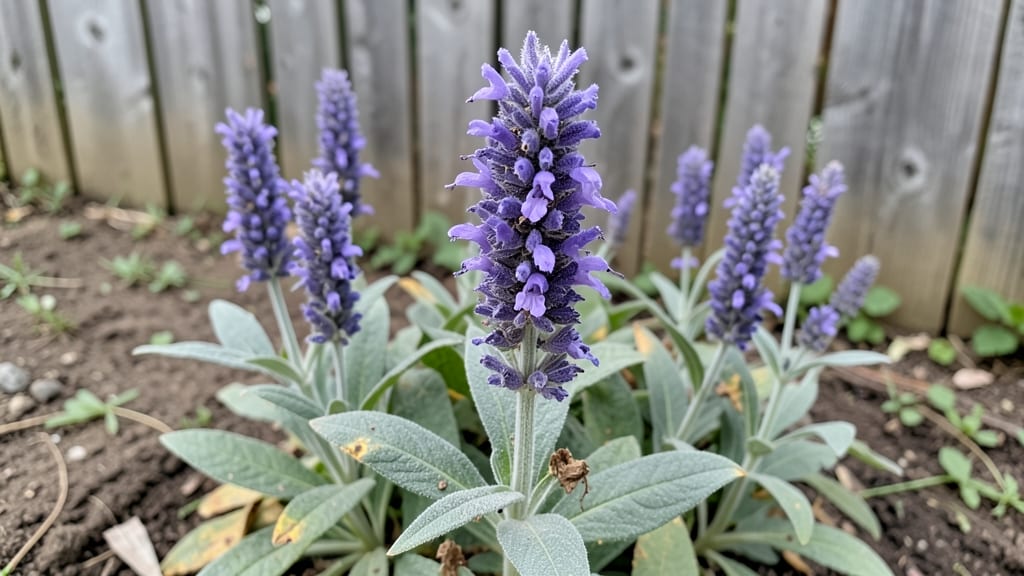
That purple-flowered weed creeping through your garden might look pretty, but it could be stealing nutrients from your prized plants. 🌿 I’ve spent years wrestling with these sneaky invaders—purple dead-nettle, selfheal, and wild pansies—and learned how to manage them without wrecking your garden’s balance.
Some even have hidden benefits if you know how to work with them.
The trick isn’t just yanking them out—it’s understanding their growth habits. Purple dead-nettle spreads aggressively in shady spots, while selfheal thrives in lawns and gardens alike. Wild pansies, though ornamental, can still outcompete seedlings if left unchecked.
The good news? Many of these weeds attract pollinators and deter pests, so a little strategic removal goes a long way.
By the end, you’ll know exactly when to pull, when to let them stay, and how to use companion plants to keep them in check. No more guessing whether that purple bloom is friend or foe—just clear, actionable steps to keep your garden thriving while respecting nature’s balance.
Whether you’re dealing with a shady border or a sunny flower bed, these methods adapt to your space. Let’s turn those weeds into an advantage without losing the plants you actually want to grow.
Root Causes Behind Purple Blooms
Discovering a purple-flowered weed in your garden can feel like an unwelcome surprise—especially when it seems to thrive while your prized plants struggle. But why do these tenacious invaders pop up with such vibrant blooms?
The answer lies in their biology, your soil, and even the way you (or nature) manage your garden. Let’s break down the science behind their persistence and those eye-catching purple flowers.
🌱 Soil conditions that favor weeds
Purple-flowering weeds often thrive in soil that’s either too rich in nutrients or poorly balanced. Here’s why:
- Excess nitrogen: Weeds like Hibiscus trionum (blind nettle) or Portulaca grandiflora (moss rose) love nitrogen-heavy soil, which encourages rapid growth and vibrant blooms. If your garden gets compost or fertilizer too frequently, weeds get a head start.
- Compacted or waterlogged soil: Many purple-flowered weeds, such as Convolvulus arvensis (field bindweed), have deep roots that seek out moist, loose soil. Compacted areas prevent water drainage, creating the perfect microclimate for their seeds to germinate.
- Low organic matter: Sandy or clay-heavy soils lack the structure weeds need to spread. In response, some weeds (like Lamium purpureum, or purple deadnettle) produce allelopathic chemicals that suppress competing plants while they dominate.
Actionable fix: Test your soil’s pH and nutrient levels. Amend with compost or organic matter to improve balance, and avoid over-fertilizing. Mulching also blocks weed seeds from accessing sunlight.
🌞 Light and climate preferences
Purple-flowering weeds often dominate because they’ve evolved to outcompete other plants in specific light and climate conditions. Here’s how:
- Full-sun lovers: Weeds like Echium vulgare (viper’s bugloss) thrive in sunny spots where they can soak up 10+ hours of direct sunlight daily. Their purple blooms are a signal of high photosynthetic efficiency, helping them grow faster than shade-tolerant plants.
- Drought tolerance: Many purple weeds, such as Phacelia tanacetifolia (lacy phacelia), have deep taproots that access water deep underground. This makes them resilient during dry spells when other plants wilt.
- Cool-season opportunists: Weeds like Lamium species germinate in cooler temperatures (50–70°F), often sprouting in early spring or fall when your garden’s growth is sluggish.
Actionable fix: Monitor light exposure in your garden. Use shade cloth in sunny areas if you’re growing light-sensitive plants, and water deeply but less frequently to discourage shallow-rooted weeds.
🌻 Seed spread and longevity
Purple-flowering weeds don’t just pop up—they strategically spread and store seeds to ensure their survival. Here’s how their biology works against you:
- Wind and animal dispersal: Seeds from weeds like Ipomoea purpurea (morning glory) are lightweight and hitchhike on wind, water, or even your clothes. Others, like Verbascum thapsus (mullein), produce sticky seeds that cling to fur or tools.
- Seed banks in soil: Some purple weeds (e.g., Chenopodium album, or lamb’s quarters) can remain dormant for years in the soil. Disturbing the soil—through tilling or digging—triggers mass germination.
- Self-seeding habits: Plants like Calendula officinalis (pot marigold, sometimes considered a weed) drop thousands of seeds per plant, ensuring new generations take root before you can react.
Actionable fix: Remove weeds before they flower to prevent seed production. Use pre-emergent herbicides in early spring if needed, and avoid tilling infested areas to disrupt seed banks.
🛡️ Natural resistance to herbicides
Some purple-flowered weeds have developed herbicide resistance due to repeated exposure to chemical treatments. Here’s the science:
- Genetic mutations: Weeds like Amaranthus species (pigweed) can develop target-site resistance, where their biochemistry changes to render glyphosate (Roundup) ineffective.
- Metabolic detoxification: Some weeds produce enzymes that break down herbicides before they take effect, allowing the plant to survive treatment.
- Hybrid vigor: Cross-pollination between resistant and non-resistant weeds creates super-weeds that outcompete everything else.
Actionable fix: Rotate herbicide types if chemical control is necessary, and consider manual removal or mulching to reduce reliance on treatments. For resistant weeds, targeted spot-treating with vinegar (acetic acid) or boiling water can help.
Understanding these root causes puts you in the driver’s seat. The next step? Learn how to evict these purple invaders for good—without harming your garden’s health.
How to solve it
If your garden is overrun by purple-flowered weeds, don’t despair—there are effective, eco-friendly ways to tackle them without harming your prized plants. Below, we break down solutions based on the most common causes and provide step-by-step fixes to reclaim your garden.
###
🔥 Overcrowding and Competition
When weeds like henbit or chickweed take over, they outcompete your plants for sunlight, water, and nutrients. The fix? Preventative spacing and targeted removal.
- 🍳 Mulch like a pro: Apply a 2–3 inch layer of organic mulch (straw, wood chips, or shredded leaves) around plants to block sunlight and prevent weed seeds from germinating.
- 👨🍳 Hand-pull early: Remove weeds when the soil is moist (after rain or watering) to avoid breaking roots. Grasp the base and tug gently to avoid disturbing nearby plants.
- ⏰ Schedule regular checks: Inspect your garden weekly, especially in spring when weeds germinate rapidly.
💡 Pro Tip: Use a hula hoe or weeding knife for larger areas—it’s faster than hand-pulling and reduces back strain!
###
🌱 Soil Nutrient Imbalance
Weeds thrive in nutrient-rich or disturbed soil. If your garden has compacted or overly fertile soil, adjust the conditions to discourage unwanted growth.
- 🔪 Improve soil health: Add compost or aged manure to boost beneficial microbes, which outcompete weed seeds naturally.
- 🌡️ Adjust watering habits: Deep, infrequent watering (1–2 inches per week) encourages deeper plant roots, making them more resilient than shallow-rooted weeds.
- 🎯 Use vinegar sparingly: For stubborn weeds, spray a 5% acetic acid vinegar solution (1 part vinegar to 1 part water) directly on leaves. Avoid spraying desirable plants—vinegar can harm them too!
✨ Prevention Tip: Plant ground covers like clover or creeping thyme to suppress weeds naturally while adding beauty to your garden.
###
🌿 Seed Spread and Wind Dispersal
Some purple-flowered weeds, like lamb’s quarters, spread via wind or animal fur. To stop their invasion:
- 🔪 Remove flowers before seeding: Snip off weed flowers before they go to seed. Dispose of them in the trash (not compost)—even a few seeds can regenerate a whole infestation.
- 🌡️ Solarize bare soil: In hot climates, cover weed-infested soil with clear plastic for 4–6 weeks. The sun will bake seeds and kill emerging weeds.
- 🎯 Block wind paths: Plant tall perennials or shrubs as windbreaks to reduce seed dispersal.
💡 Pro Tip: Wear gloves and long sleeves when weeding to avoid spreading seeds to your clothes or skin!
###
🚫 Chemical-Free Alternatives
If weeds persist, try these non-toxic but effective methods:
| Method | How to Use | Best For |
|---|---|---|
| Boiling water | Pour directly on weeds (avoid desirable plants). Works best on young weeds. | Sidewalks, patios, driveways |
| Corn gluten meal | Apply as a pre-emergent (follow package rates) in early spring. | Lawns and garden beds |
| Salt (sparingly!) | Mix 1 cup salt + 1 gallon water; spray on weeds. Use only on non-plant areas—salt harms soil. | Cracks in pavement, gravel areas |
🌱 Prevention Tip: Healthy soil = fewer weeds! Test your soil’s pH and amend it as needed—most weeds prefer slightly acidic to neutral conditions.
Frequently asked questions
How do I tell if a purple-flowered plant is actually a weed?
Look for key traits like rapid growth, aggressive spreading, or flowers appearing before your desired plants. Purple dead-nettle has square stems and whorled leaves, while selfheal has small purple flowers with a ring of white hairs. If it’s crowding out your garden beds, it’s likely a weed—especially if it’s thriving in areas where you don’t want it growing.
Are purple-flowered weeds harmful to my garden?
Not always! Some, like wild pansies, attract pollinators and deter pests. However, others like purple dead-nettle can outcompete your plants for nutrients. The key is balance—remove weeds that threaten your garden’s health while leaving beneficial ones to thrive. Regular monitoring helps you decide which to keep and which to remove.
What’s the best time of year to remove purple-flowered weeds?
Spring and early fall are ideal—these weeds germinate rapidly in 50–70°F temperatures. Pull them before they flower to prevent seed spread. In hot summer months, focus on watering your garden to weaken weeds naturally. Avoid removing them in extreme heat, as the soil can be too dry to pull effectively.
Can I use vinegar to kill purple-flowered weeds without harming my plants?
Yes, but with caution! Use a 5% acetic acid vinegar solution (equal parts vinegar and water) and apply it only to the weeds, avoiding leaves of nearby plants. Test on a small area first, as vinegar can damage some vegetation. For stubborn weeds, repeat every few days until they’re gone.
Why do purple weeds keep coming back even after I remove them?
Many purple weeds have deep roots or dormant seeds in the soil. Field bindweed, for example, can regrow from root fragments, while others like lamb’s quarters have seeds that stay viable for years. To break the cycle, remove weeds before they flower, use mulch to block sunlight, and improve soil health with compost to outcompete weed seeds naturally.