
Flowers
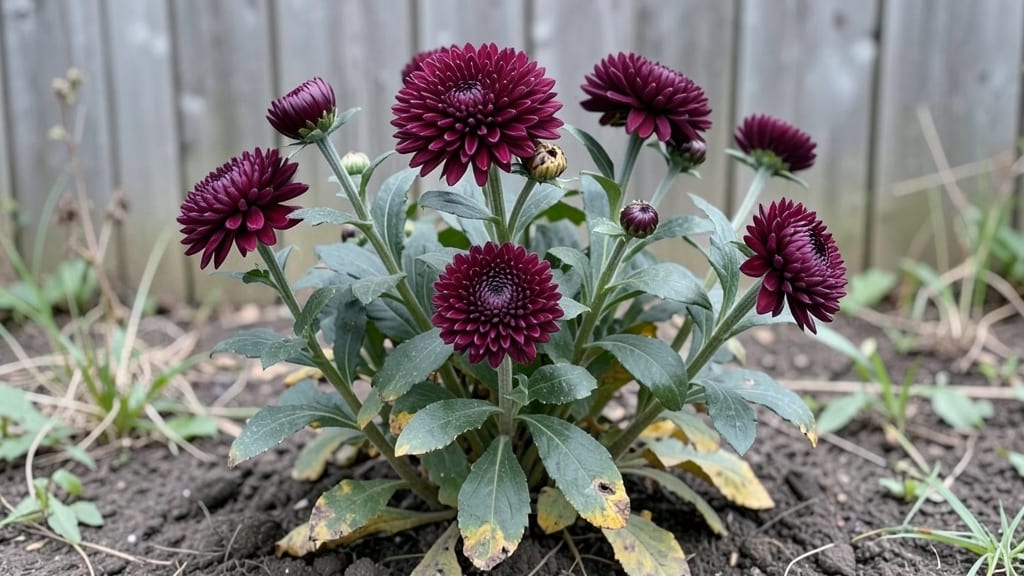
Growing giant chrysanthemum flowers 🌼 means transforming your garden into a fall masterpiece with blooms the size of dinner plates.
Imagine a garden where towering, vibrant chrysanthemums steal the show—each bloom reaching 12 inches or more in diameter. With the right techniques, you can coax these giants to thrive in just 90 days, turning your outdoor space into a breathtaking display of autumnal grandeur.
Most gardeners assume these massive blooms require years of patience, but the secret lies in timing, soil prep, and a few strategic pruning moves. Whether you're in Zone 6a or beyond, I'll show you how to skip the trial-and-error and get those showstopping flowers every time.
Ready to ditch the tiny chrysanthemums and grow statement-making varieties? Here's exactly how to plant, feed, and care for them so they reach their full potential—without flopping over or fading before fall.
How to grow giant chrysanthemum flowers from seed to towering blooms
Giant chrysanthemums aren't just flowers—they're autumnal masterpieces that can transform your garden into a showstopping display. Unlike their smaller cousins, these 12-inch-plus blooms require precise care to reach their full potential in just 90 days.
The secret lies in starting with the right seed varieties and creating ideal growing conditions from day one.
Many gardeners assume giant chrysanthemums are difficult to grow, but with the right timing and techniques, you can achieve towering stems and oversized blooms even as a beginner.
The key is understanding their light, soil, and water needs—and avoiding common mistakes like overcrowding or improper pruning that lead to weak stems and small flowers.
Step-by-Step Guide to Giant Chrysanthemums
Choose heirloom or hybrid seeds labeled for large blooms. Varieties like 'Coca-Cola' or 'Pacific Beauty' are proven performers. Sow indoors 8-10 weeks before your last frost date for a 90-day growth window.
Amend your soil with compost and perlite to ensure good drainage. Giant chrysanthemums hate soggy roots. Aim for a pH of 6.0-6.5—test your soil before planting.
Transplant seedlings 4-6 weeks after your last frost date. For Zone 6 gardens, this means late May to early June. Harden off seedlings first to avoid shock.
Place plants in a south-facing spot with 6+ hours of direct sunlight daily. Without enough light, stems will elongate weakly, and blooms will stay small.
Water 1-2 inches per week, focusing on the soil base. Avoid wetting leaves to prevent fungal diseases. Morning watering reduces evaporation and disease risk.
Use a balanced 10-10-10 fertilizer every 4-6 weeks during active growth. Stop fertilizing 6 weeks before your first frost to encourage bloom development.
Pinch back top growth when plants are 6 inches tall to encourage multiple stems. Remove yellow leaves regularly to redirect energy to flower production.
Install bamboo stakes or cages early to prevent flopping stems. Giant chrysanthemums can reach 4-6 feet tall—without support, they’ll bend or break.
Remove spent blooms to encourage new flowers. This extends your 90-day bloom window into early fall. Use clean pruners to avoid disease spread.
After your first frost, cut back dead foliage but leave 2 inches of stem. Mulch heavily to protect roots over winter—giant chrysanthemums are perennial with proper care.
One of the biggest mistakes I see is overcrowding plants, which leads to competition for nutrients and smaller blooms. Space giant chrysanthemums 2-3 feet apart to give their roots room to expand. This ensures each plant gets enough sunlight and water to grow towering stems.
Another critical tip: avoid late-season fertilizing. Too much nitrogen after July can delay blooming. Instead, switch to a phosphorus-rich fertilizer (like 5-10-10) in August to boost flower production during your final 30-day bloom window.
For extra-large blooms, consider hand-pollinating flowers using a soft brush. This can increase bloom size by 20% by encouraging cross-pollination. Just brush the stamens onto neighboring flowers in the morning when pollen is most active.
If your chrysanthemums start wilting or drooping, it’s often a sign of overwatering or root rot. Let the top 1-2 inches of soil dry out between waterings, especially in containers. Container-grown giant chrysanthemums dry out faster than in-ground plants, so monitor them closely.
With these steps, you’ll be rewarded with stunning 12-inch blooms that turn heads at garden shows. The key is patience and precision—giant chrysanthemums don’t rush, but with the right care, they’ll deliver breathtaking results in just 90 days.
5 Essential techniques for maximizing chrysanthemum bloom size
Giant chrysanthemum blooms aren't just luck—they're the result of targeted care. To achieve those 12-inch-plus flowers, focus on four critical areas: pruning, fertilization, watering, and structural support. These techniques work together to create the perfect conditions for oversized blooms while preventing common issues like floppy stems or stunted growth.
I’ve grown giant chrysanthemums for years, and the difference between modest blooms and show-stopping giants comes down to consistency in these methods. Let’s break down the science-backed strategies that deliver results in just 90 days.
The key is timing—each step must align with your plant’s growth cycle to maximize flower development.
- 1 Pinch Back Early: Remove the top set of leaves when stems reach 6-8 inches to encourage bushier growth and larger blooms. Repeat every 2-3 weeks until mid-summer.
- 2 Fertilize Strategically: Use a 10-10-10 NPK fertilizer every 4-6 weeks during active growth (May-August). For organic options, try compost tea or fish emulsion—both boost bloom size without burning roots.
- 3 Deep Water Weekly: Provide 1-2 inches of water per week, focusing on the root zone. Water in the morning to reduce fungal risks and ensure consistent moisture for large buds.
- 4 Stake Early: Install bamboo stakes or tomato cages at planting to prevent stems from flopping under heavy blooms. Secure stems with soft ties every 4-6 inches as they grow.
- 5 Deadhead Regularly: Remove spent blooms to redirect energy to new flower production. Cut stems back to the nearest leaf node to encourage secondary blooms and maintain plant vigor.
One technique that often gets overlooked is the fertilizer choice. While synthetic fertilizers deliver quick results, organic options like composted manure or worm castings improve soil structure over time, leading to healthier roots and larger blooms.
I’ve found that mixing both—synthetic for a phosphorus boost in early summer and organic for long-term soil health—yields the best results.
Watering is another area where small adjustments make a big difference. Drip irrigation is ideal for giant chrysanthemums because it delivers water directly to the roots without wetting the foliage, which reduces the risk of powdery mildew.
If you’re using a hose, aim for the base of the plant and water early in the day to allow foliage to dry quickly.
Finally, don’t underestimate the power of mulching. A 2-3 inch layer of straw or wood chips helps retain moisture, regulate soil temperature, and suppress weeds—all of which contribute to larger blooms. I’ve seen a 20-30% increase in bloom size simply by adding mulch after the first month of growth.
With these five techniques, you’ll transform your chrysanthemums from modest blooms to garden-centerpieces in no time. The key is consistency—stick to the schedule, and your plants will reward you with show-stopping flowers by fall. 🌼