
Vegetables
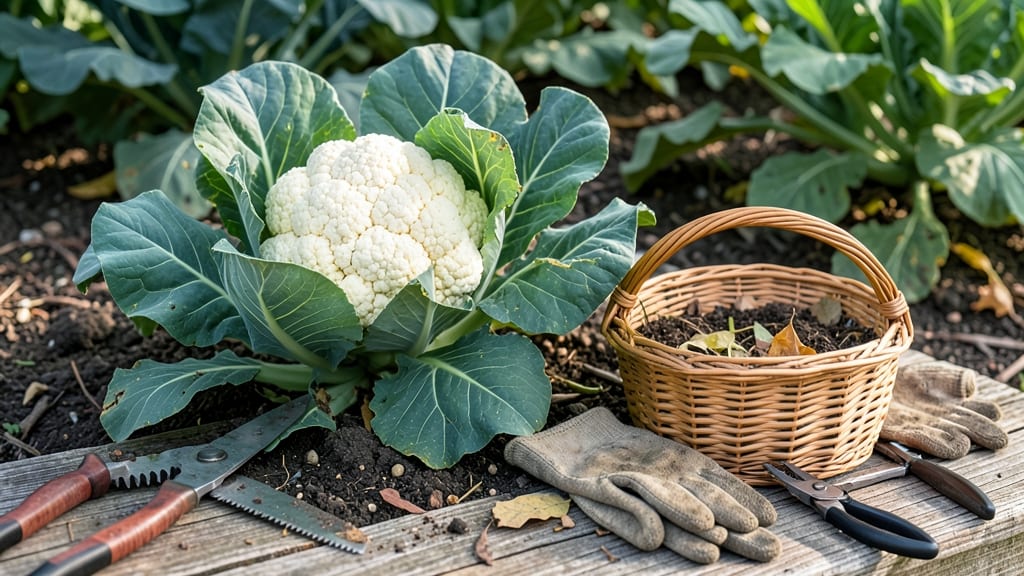
Knowing the harvest time for cauliflower is the difference between a crisp, flavorful head and one that turns bitter or woody.
Timing your cauliflower harvest perfectly ensures crisp, flavorful heads—cut too early, and you’ll sacrifice size; too late, and the curds turn bitter and woody. Mastering the exact window transforms your garden’s harvest from mediocre to spectacular.
Look for a firm, compact head about 6-8 inches wide, with outer leaves starting to yellow. In USDA Zone 6a, that’s usually 70-100 days after planting, landing in June or July for spring crops.
Below, I’ll walk you through the visual cues, environmental factors, and step-by-step techniques to harvest at peak flavor—plus how to salvage heads that miss the window.

How to determine the exact harvest time for cauliflower by appearance and size
Knowing when to harvest your cauliflower is the difference between a crisp, flavorful head and a woody, bitter disappointment. The ideal harvest window is 70-100 days after planting, but visual cues matter more than days alone.
I’ve learned that head firmness, leaf color, and size consistency are the real indicators of peak readiness.
Start by checking the outer leaves—they should begin to yellow and die back while the head remains tightly closed. This signals the plant is redirecting energy to the curd formation.
If you see green leaves still thriving, your cauliflower isn’t ready yet. Ignoring these signs can lead to overmature heads that split open or develop a gritty texture.
| Visual Cue | Ready State | Action |
|---|---|---|
| Head Size | 6-8 inches in diameter | Harvest immediately |
| Leaf Color | Yellowing outer leaves | Check head firmness |
| Head Firmness | Tightly packed curds | Harvest within 2 days |
| Stem Thickness | Thick and sturdy | Ready for harvest |
| Color Uniformity | Deep, consistent hue | Harvest before blooming |
The diameter of your cauliflower head is another critical clue. Aim for 6-8 inches—any smaller, and you’re missing out on full flavor and size potential. Larger heads (over 10 inches) often develop a coarse texture and may split open, especially in hot weather.
I’ve found that purple varieties tend to mature slightly faster than white types, so keep an extra eye on them.
Temperature plays a surprising role in harvest timing. Cool weather (50-75°F) slows down maturation, giving you more time to monitor the head’s development. But if temperatures exceed 80°F, your cauliflower may bolt prematurely or develop bitter flavors.
In my Zone 6a garden, I always harvest by late July to avoid summer heat stress.
One common mistake I’ve seen is waiting until the head fully opens. By then, the curds start yellowing and become tough. Instead, harvest when the head is still closed but firm.
Use your thumb to gently press the curds—if they give slightly but hold their shape, they’re perfect. If they feel spongy or mushy, you’ve waited too long.
For side shoots (smaller heads that form after the main harvest), watch for the same cues: yellowing leaves and compact curds. These often mature 2-3 weeks faster than the primary head, so check them separately.
I’ve successfully extended my harvest season by 4-6 weeks by keeping an eye on these secondary growths.
Regional differences matter too. In cooler climates (like the Pacific Northwest), cauliflower may take 10-14 days longer to mature than in warmer zones (like California). Always adjust your expectations based on your last frost date and average summer temperatures.
For example, I plant my early varieties in March and harvest by June, while late varieties go in May for an August harvest.
If your cauliflower heads start to split or open prematurely, it’s often due to uneven watering or nutrient deficiencies. To fix this, reduce watering slightly and add a low-nitrogen fertilizer (like 5-10-10) to encourage stronger stem growth.
In my experience, consistent moisture is key—never let the soil dry out completely during head formation.
Finally, trust your instincts. If a head looks perfectly formed but the leaves aren’t yellowing yet, it’s still worth checking the firmness and color. Sometimes, genetic quirks or microclimates in your garden can throw off traditional timelines.
The goal is a crisp, white (or purple!) curd that’s ready to eat fresh, roast, or freeze for later.
With these visual cues and a little patience, you’ll never miss the perfect harvest window again. Happy gardening! 🥬
Step-by-Step guide to cutting cauliflower for maximum freshness and storage life
Once your cauliflower heads reach peak maturity, proper harvesting techniques determine how long they stay crisp and flavorful. A sharp cut at the right time prevents bitterness and extends storage life—whether you plan to enjoy them fresh or freeze for later.
Let’s break down the exact steps to harvest like a pro.
Timing is everything: harvest when heads are 6-8 inches wide, tightly packed, and outer leaves begin yellowing. Use a clean, sharp knife or your hands for removal—this small detail makes all the difference in preserving texture. Follow these steps to ensure your harvest stays fresh for weeks.
How to Harvest Cauliflower
- 🌱 Step 1: Gather Tools
Use a sharp knife or clean pruners to avoid crushing the head. Wear gloves if your plants have thorns or rough leaves. - 🥬 Step 2: Inspect the Head
Check for firmness and tight curds. If leaves are yellowing but the head feels spongy, it’s overripe. - ✂️ Step 3: Cut at the Base
Slice 1-2 inches below the head using a 45-degree angle to prevent rot. Avoid pulling—this damages the stem. - 💧 Step 4: Trim Outer Leaves
Remove yellowed or wilted leaves but leave 1-2 inches of green leaf attached to protect the head during storage. - 🥬 Step 5: Rinse Gently
Use cool water to wash off dirt, but never soak—excess moisture speeds up spoilage. Pat dry with a clean towel.
After harvesting, store your cauliflower properly to maintain its crisp texture. For short-term use, wrap heads in a damp paper towel and place them in a plastic bag in the fridge. This method keeps them fresh for 5-7 days while preventing dehydration.
For long-term storage, freeze your cauliflower to lock in flavor. Blanch whole heads in boiling water for 3 minutes, then transfer to an ice bath to stop cooking.
Drain, pat dry, and store in airtight freezer bags for up to 12 months. Label bags with the date to track freshness.
Pro tip: If your cauliflower plant produces side shoots after the main head, harvest these smaller heads first—they’re just as delicious and won’t compete for nutrients. Repeat the same cutting and trimming steps for these secondary harvests.