
Flowers
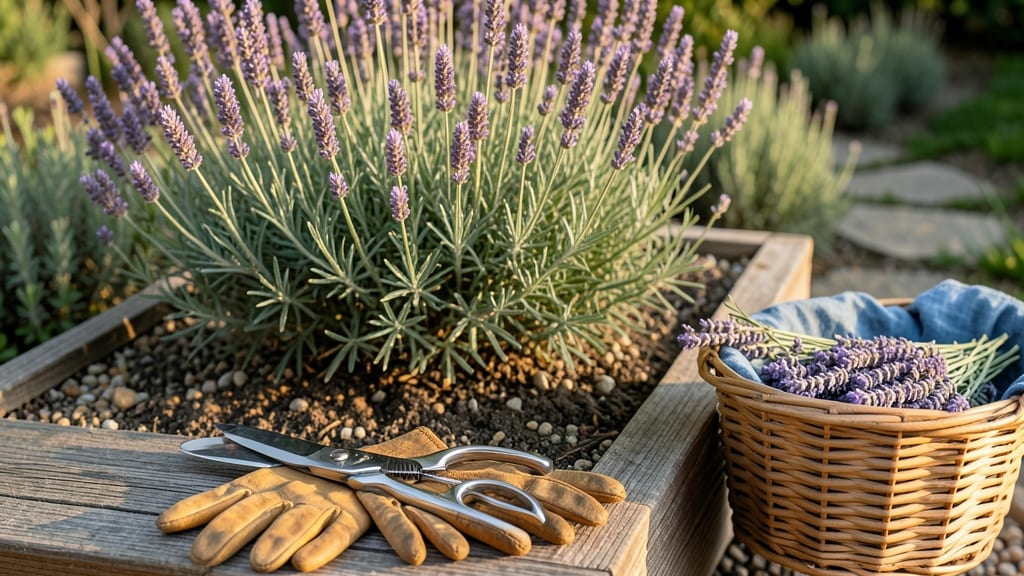
Harvesting lavender flowers at the right time unlocks their full fragrance and keeps your plants thriving for years.
Picture this: you’ve nurtured your 🌸 lavender all spring, and now the blooms are bursting with color—but rush the harvest, and you’ll lose that signature scent. Get it wrong, and you might even stunt next year’s growth. The secret? Timing, tools, and technique matter more than you’d think.
In Zone 6a, the best window is June through early September, when buds are fully open but haven’t yet turned brown. But here’s the catch: cutting too late drains the plant’s oils, while harvesting too early means weak stems and poor fragrance.
I’ll walk you through the exact stages to watch for, plus the simple tools that make all the difference.
From drying bundles to storing stems for sachets, you’ll learn how to maximize every harvest without sacrificing your lavender’s health. Ready to turn your garden into a fragrant goldmine?


Best time to harvest lavender for maximum fragrance & oil content
Timing your lavender harvest is everything—cut too early, and you miss peak fragrance; wait too long, and the oils degrade. The ideal harvest window occurs when 20-30% of buds are open but before they turn brown. This balance ensures maximum essential oil content and that signature lavender scent you love.
Most lavender varieties, like English lavender and French lavender, reach this stage in late spring to early summer, typically June through August in USDA zones 6-9.
However, climate plays a huge role—cooler regions may see harvests shift to July or August, while warmer areas might start as early as May.
Here’s how to spot the perfect harvest moment: Look for purple buds that are just beginning to open, with woody stems and a strong, sweet aroma. Avoid harvesting when flowers are fully open or turning brown, as this signals declining oil content and scent intensity.
| Harvest Stage | Bud Appearance | Stem Condition | Oil Content | Best For |
|---|---|---|---|---|
| Early Bud (Not Ready) | Green, tightly closed | Soft, flexible | Low | None |
| Peak Harvest (Ready) | Purple, 20-30% open | Woody, firm | Highest | Essential oils, drying |
| Overripe (Too Late) | Brown, fully open | Brittle, drying | Low | Bouquets only |
| Seasonal Window (USDA 6-9) | June-August | N/A | Varies | Adjust for climate |
Morning is the best time of day to harvest lavender because essential oils are most concentrated after a cool night. Cut stems just as dew begins to evaporate, around 8-10 AM, to preserve fragrance and oil potency.
Avoid harvesting after midday heat, as this can cause oils to evaporate and reduce shelf life.
If you’re harvesting for essential oils, prioritize English lavender varieties like 'Hidcote' or 'Munstead', which have the highest oil content. For dried flowers, any variety works, but French lavender (like 'Grosso') holds its color and shape beautifully when dried.
Never harvest more than one-third of the plant at a time to avoid stressing the lavender. Over-harvesting can weaken stems and reduce next year’s bloom. Space harvests 4-6 weeks apart during peak season to maintain plant health and ensure consistent yields.
Climate matters—cooler regions (like Pacific Northwest) may see harvests shift to July or August, while hotter climates (like California) can start as early as May. Watch for local frost dates too; if frost is expected, harvest early to avoid damage to stems and buds.
Pro tip: Harvest on a dry morning after dew has evaporated. Wet flowers dry poorly and may develop mold. Use clean, sharp pruners to make clean cuts just above a leaf node—this encourages new growth and keeps your lavender bushy.
After harvesting, trim stems to 3-4 inches above the base to promote bushier growth. Remove any woody or dead stems to improve airflow and reduce disease risk. With proper timing and care, your lavender will reward you with years of fragrant blooms.
Essential tools & techniques for stress-free lavender harvesting
Harvesting lavender is easier than you think when you have the right tools and techniques. The key lies in using sharp, clean tools and following proper cutting methods to preserve plant health and maximize fragrance.
Start with a well-maintained pruner and a pair of gardening gloves to protect your hands from prickly stems.
Before you begin, gather breathable containers like mesh bags or paper bags to store your harvest. These materials allow air circulation, which is crucial for preventing mold and preserving the lavender’s signature scent. Avoid plastic containers, as they trap moisture and can cause spoilage.
Harvesting Lavender Flowers: Pros & Cons
✅ Pros
- 🌿 Peak fragrance: Harvest at mid-morning for the strongest scent
- 🌸 Encourages regrowth: Cutting 1/3 of stems stimulates new blooms
- 🌱 Preserves plant health: Use sterilized tools to avoid disease
- 💧 Dries evenly: Bundle stems with rubber bands for uniform drying
❌ Cons
- ⚠️ Over-harvesting: Removing too many stems weakens the plant
- 🌡️ Wrong timing: Harvesting after seeds form reduces oil content
- 🌧️ Wet conditions: Cutting after rain or dew promotes mold
- ✂️ Dull tools: Using unsharp pruners crushes stems and damages plants
When cutting lavender, aim for woody stems that are at least 1/4 inch thick. Use your pruners to make a clean cut just above a leaf node or side branch.
This encourages the plant to grow new stems from that point, ensuring a fuller plant next season. Avoid cutting into old, bare wood, as this won’t produce new growth.
After harvesting, let the lavender air-dry in a well-ventilated, dry space away from direct sunlight. Bundle stems with twine or rubber bands and hang them upside down.
This method ensures even drying and prevents the stems from breaking. Check daily to ensure no moisture remains, as damp lavender can develop mold within 24 hours.
To encourage regrowth after harvesting, apply a light layer of compost around the base of your lavender plants. Water sparingly—lavender is drought-tolerant—and avoid fertilizing in late summer or fall, as this can stimulate tender new growth that won’t survive winter.
With proper care, your lavender will reward you with vibrant blooms year after year.
For an added bonus, trim any dead or woody stems in early spring to shape your lavender and promote new growth. This simple step keeps your plants looking neat and encourages a healthier, more productive harvest in the coming seasons.