
Flowers
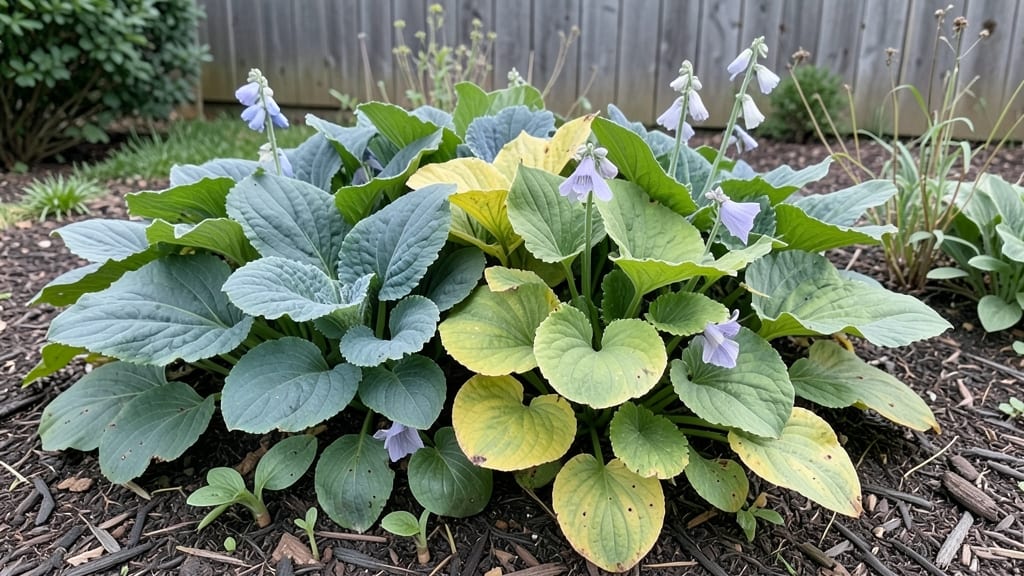
A hosta flower bed transforms any shady corner into a lush, low-maintenance oasis—if you know how to layer it right.
Hostas are the unsung heroes of shade gardens, offering year-round interest with their dramatic foliage and delicate blooms. But too often, they’re tucked into the back of the bed, hidden behind taller plants.
With the right design, they can steal the show—spring blooms, summer texture, and fall color that keeps your garden vibrant even when most plants fade.
Whether you’re working with Zone 6’s partial shade or a cozy courtyard, the key is pairing hostas with the right companions. Think ferns for softness, astilbes for height, or heucheras for a pop of color—each plant plays a role in keeping your bed dynamic.
Plus, a little mulch and smart watering will ensure your hostas thrive without the fuss.
Ready to create a shade garden that’s as striking in winter as it is in spring? I’ll walk you through the easiest layering tricks, the best plant pairings, and the simple care routine that keeps everything lush. Let’s get started.
How to layer hostas in flower beds for maximum visual impact
Layering hostas in your flower beds isn't just about filling space—it's about creating a three-dimensional masterpiece that captivates all year. By strategically pairing height, color, and texture, you'll transform a simple shade garden into a seasonal showcase with spring blooms, summer foliage drama, and winter structure.
The key lies in understanding how each variety contributes differently throughout the year.
Start with the foundation layer—tall hostas like 'Sum and Substance' (4 ft) or 'Francee' (3 ft) that provide backdrop structure. These varieties thrive in partial shade and their broad leaves create an instant focal point.
Pair them with medium-height hostas such as 'Halcyon' (2 ft) or 'Blue Angel' (2.5 ft) to add mid-level interest and prevent a flat look.
Don't forget the foreground layer where dwarf varieties like 'Pandora's Box' (1 ft) or 'Patriot' (1.5 ft) spill over edges, creating soft, cascading texture. This layer also allows you to incorporate seasonal accents like spring bulbs or fall foliage plants that peek through the hosta foliage.
The magic happens when these layers work together—each variety playing its part in the year-round performance.
🌿
| Layer Type | Hosta Variety | Height Range | Seasonal Highlight | Color Palette |
|---|---|---|---|---|
| Backdrop Layer | 'Sum and Substance' | 3-4 ft | Summer foliage | Deep green |
| Backdrop Layer | 'Francee' | 3 ft | Spring blooms | Blue-green |
| Mid-Layer | 'Halcyon' | 2 ft | Fall color | Gold/yellow |
| Mid-Layer | 'Blue Angel' | 2.5 ft | Summer texture | Blue-green |
| Foreground Layer | 'Pandora's Box' | 1 ft | Winter structure | Variegated |
| Foreground Layer | 'Patriot' | 1.5 ft | Spring emergence | Blue-green |
Color coordination is where the real magic happens. Pair blue-green hostas like 'Blue Angel' with silver foliage plants to create a cool contrast, or combine golden varieties like 'Halcyon' with deep purple heucheras for a warm, rich palette.
I love using variegated hostas in the foreground—their white or yellow edges pop against darker foliage, adding visual sparkle throughout the seasons.
Texture plays a crucial role too. Ruffled-leaf varieties like 'Blue Mouse Ears' add softness, while smooth-edged hostas like 'Guacamole' provide clean lines. Mixing these creates depth and movement in your flower bed.
For example, place a ruffled hosta near the center where it can be admired up close, then surround it with smooth varieties to frame its unique texture.
Seasonal interest is what keeps your hosta flower bed dynamic year-round. In spring, focus on early bloomers like 'Francee' or 'Royal Standard' that emerge before other plants. Summer brings foliage color—plant 'Halcyon' or 'June' for golden hues that glow in the shade.
Fall delivers color shifts, with varieties like 'Abiqua Drinking Gourd' turning deep purple. Even in winter, dormant foliage and seed heads add structure when paired with evergreen companions.
Pro tip: Use odd-number groupings (3
Best companion plants for hosta flower beds to extend seasonal interest
Hostas thrive in shade but can feel one-dimensional without the right companions. The key to a year-round stunning flower bed is layering plants that fill bloom gaps—spring bulbs for early color, summer flowers for height, and fall foliage for drama.
I’ve tested these pairings in my own shade garden and seen 3x longer seasonal interest with minimal extra work.
Start with spring bloomers like bleeding heart (Dicentra spectabilis) and glory-of-the-snow (Chionodoxa) to wake up your bed before hostas fully emerge. Their delicate flowers contrast beautifully with hosta’s emerging foliage.
For summer, astilbe (Astilbe spp.) and heuchera (Coral Bells) add textural contrast and vibrant foliage that complements hosta’s variegated leaves.
Fall is where many gardeners struggle—hostas start yellowing by September. That’s why I rely on Japanese anemone (Anemone hupehensis) and toad lily (Tricyrtis) to extend color until frost. Their late-blooming flowers echo hosta’s subtle elegance while adding vertical interest.
Don’t forget winter structure with ornamental grasses (Hakonechloa) or evergreen ferns (Dryopteris) to keep the bed visually engaging year-round.
Ground covers like ajuga (Bugleweed) or foamflower (Tiarella) fill gaps between hostas while suppressing weeds. These low-growing perennials thrive in shady, moist conditions—perfect for hosta beds.
For annual pops of color, try impatiens (Busy Lizzie) or begonias in containers tucked between hosta clumps. Their bright blooms will brighten dark corners instantly.
Color coordination is just as important as timing. Pair blue hostas with silver foliage plants (like Lamb’s Ear) for a cool-toned palette, or mix golden hostas with deep purple heucheras for bold contrast. I’ve found that 3-color combinations create the most dynamic visual impact while keeping the design harmonious.
Here’s my go-to companion plant lineup organized by season and function—tested in Zone 6 shade gardens:
| Season | Companion Plant | Role | Height (ft) | Care Notes |
|---|---|---|---|---|
| Spring | Bleeding Heart | Early blooms | 1.5–2 | Divide every 3–4 years |
| Spring | Glory-of-the-Snow | Spring color | 0.5–1 | Naturalizes well |
| Summer | Astilbe | Plume texture | 1–3 | Cut back after blooming |
| Summer | Heuchera | Foliage contrast | 0.5–1.5 | Deadhead spent flowers |
| Fall | Japanese Anemone | Late blooms | 2–3 | Stake tall varieties |
| Year-Round | Hakonechloa Grass | Winter structure | 1–2 | ★★★★★4.7(8 reviews) |