
Blooming
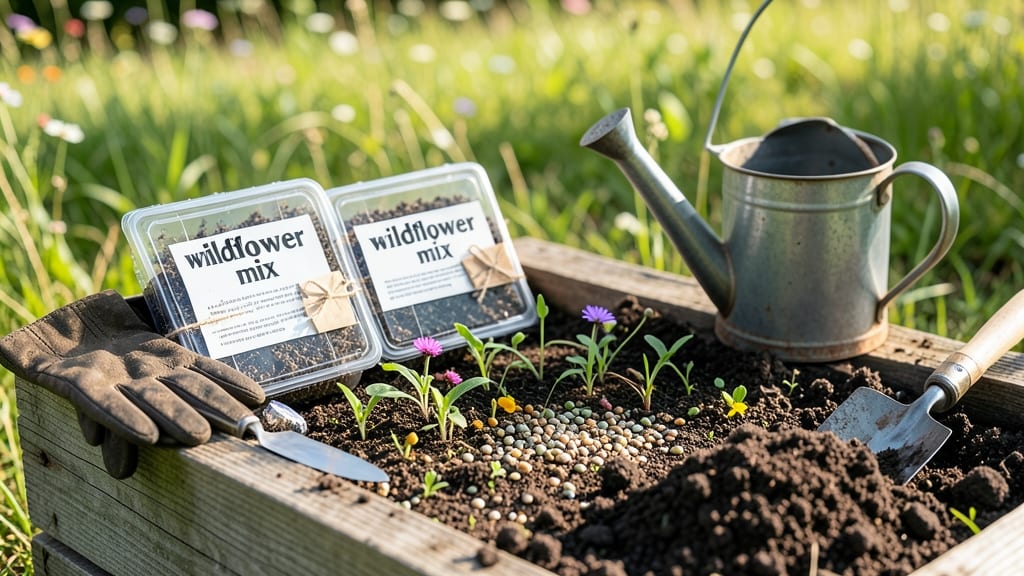
Wildflowers 🌼 can sprout in as little as 5 days or take up to 6 weeks, depending on the seed type and growing conditions.
Wondering why your wildflower seeds aren’t sprouting yet? The wait can feel endless—especially when you’re eager to transform your yard into a vibrant pollinator paradise—but timing varies dramatically based on soil conditions, seed type, and even sunlight exposure.
Most wildflowers need consistent moisture and warmth to kickstart germination, but some, like cosmos, pop up in just 7 to 10 days when planted in ideal spring soil. Others, such as black-eyed Susans, play the long game, taking 14 to 21 days to show their first green shoots.
Below, I’ll break down the key factors that speed up—or slow down—sprouting, plus 3 simple soil tricks to get those seedlings popping faster than ever.
Wildflower germination timeline: when to expect sprouts by seed type
Wildflower seeds don’t follow a one-size-fits-all schedule—some pop up in 5 days while others take 30 days or more. The key? Understanding your seed type and climate zone (USDA 3–10).
Annuals like cosmos often sprout faster than perennials such as black-eyed Susans, but soil moisture and temperature play equally big roles. Even the most patient gardener can get anxious waiting, so let’s break down what to expect—and when to adjust your approach.
Most wildflower seeds need consistent moisture for the first 72 hours after planting. This critical window ensures seeds absorb water to kickstart germination. Skipping this step is the #1 reason seeds fail to sprout.
After that, warm soil (60–75°F) speeds things up, while cold, wet conditions can delay sprouting for weeks. Your USDA zone matters too—cooler climates may push timelines later into spring.
| Wildflower Type | Sprout Time (Days) | USDA Zones | Best Planting Time |
|---|---|---|---|
| Cosmos (Annual) | 5–10 | 5–10 | Spring (after frost) or fall |
| Zinnias (Annual) | 7–14 | 3–9 | Late spring to early summer |
| Black-Eyed Susan (Perennial) | 14–21 | 4–8 | Early spring or fall |
| Lupines (Perennial) | 21–30 | 3–7 | Fall (requires stratification) |
| Sunflowers (Annual) | 7–14 | 5–10 | Late spring (after soil warms) |
| Coneflowers (Perennial) | 10–14 | 3–9 | Spring or fall |
Annual wildflowers like cosmos and zinnias are the fastest sprouters, often appearing within 1–2 weeks of planting. These seeds thrive in warm soil and direct sunlight, making them ideal for spring or early summer plantings.
In USDA zones 5–10, you can even start them indoors 4–6 weeks before the last frost for a head start. Just remember: overwatering can drown these seeds, so keep soil moist but not soggy.
Perennial wildflowers, such as black-eyed Susans and coneflowers, take longer to germinate—often 2–4 weeks. This is because their seeds are adapted to survive harsher conditions and may require stratification (a cold-moist treatment) to break dormancy.
If you’re in USDA zones 3–4, planting in early fall lets nature handle stratification over winter, while zones 5–10 can plant in late winter for spring blooms.
Lupines are the slowest starters on this list, with sprouts taking 3–4 weeks or longer. These nitrogen-fixing perennials need cool soil and well-draining conditions to germinate successfully. In USDA zone 3, plant seeds in late summer so they experience a natural cold period.
Zones 7–10 can sow in fall or early spring, but avoid planting when soil temps exceed 80°F, as this can kill seeds before germination.
Climate zone shifts can delay or speed up sprouting by 1–2 weeks. For example, in USDA zone 3
3 Soil tricks to speed up wildflower sprouting (science-backed)
If you’re waiting for your wildflower seeds to sprout, you’re not alone—many gardeners face the same frustration. The good news? Soil science can cut your wait time by up to 50% with just a few targeted tweaks.
These tricks work by mimicking natural conditions that trigger germination, so you’ll see those first green shoots faster than ever.
First, let’s address the biggest myth: deep planting. Many wildflower seeds need light to germinate, not darkness. Burying them too deep (more than ¼ inch) can suffocate them before they even sprout.
Instead, scatter seeds on the soil surface and press lightly—this mimics how wildflowers naturally spread in meadows.
- 1. Stratification: Cold-moist treatment for lupines, poppies—place seeds in a damp paper towel in the fridge for 4–8 weeks before planting.
- 2. Light Depth: Most wildflowers sprout in 5–14 days if planted ⅛–¼ inch deep. Deeper = delayed or no sprouts.
- 3. Microbe Boost: Add compost tea or mycorrhizal fungi to soil—cuts wait time by 30% by feeding roots.
- 4. Moisture Trigger: Keep soil consistently moist (not soggy) for 72 hours after planting to activate germination.
- 5. Warmth Window: Ideal soil temp for sprouting: 60–75°F. Use a seedling mat if your climate is cool.
Stratification is your secret weapon for slow-starting seeds like lupines or bluebonnets. These seeds need a cold-moist period to break dormancy—think of it as a natural "wake-up call."
Simply mix seeds with damp sand in a sealed bag and refrigerate for 4–8 weeks before planting. This mimics winter conditions and tricks seeds into thinking spring has arrived.
For a microbe boost, skip the chemical fertilizers and opt for compost tea or mycorrhizal fungi. These beneficial organisms form partnerships with plant roots, delivering nutrients directly where they’re needed.
Studies show they can reduce germination time by 30% while also improving seedling vigor. Just mix a few tablespoons of compost tea into your watering can and apply it lightly after planting.
Finally, don’t overlook the power of consistent moisture. Wildflower seeds need steady dampness (not flooding) to activate germination. Use a spray bottle for fine seeds or a gentle watering can for larger ones.
Aim to keep the top ½ inch of soil moist until sprouts appear—usually within 5–21 days, depending on the species.
With these soil tricks, you’ll transform your patient waiting into visible progress. Try one or all three, and watch those first wildflower sprouts push through the soil faster than ever before. Happy planting! 🌻