
How To
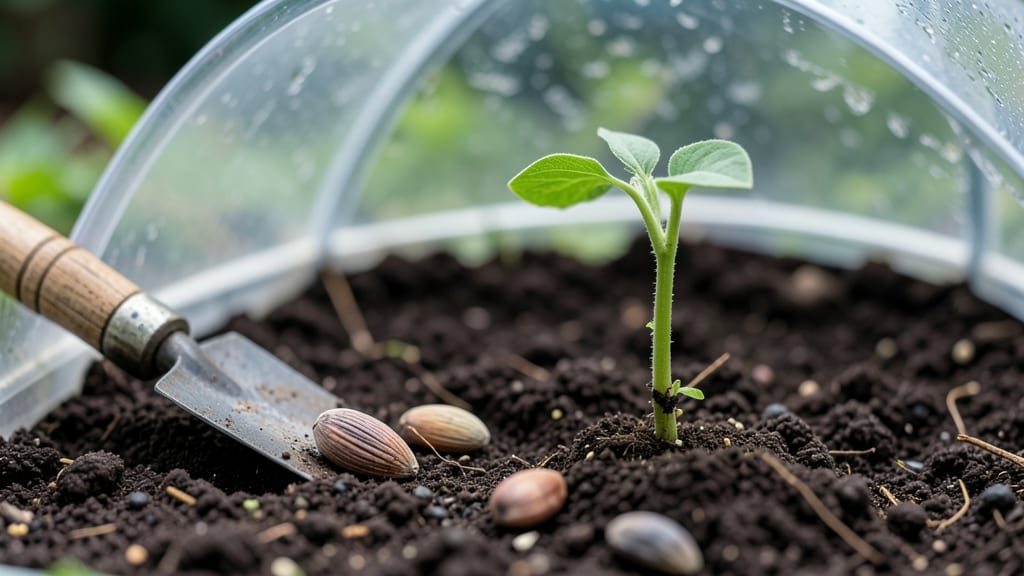
How long does it take for sunflower seeds to sprout? The answer is typically 7 to 14 days when planted in warm, moist soil—though the exact time depends on temperature, moisture, and even how deep you bury them.
Sunflowers are one of the fastest-growing plants for beginners—but knowing exactly when to expect those first green sprouts can make the difference between patience and frustration. Too cold, and they’ll take weeks to break through; too dry, and they might never make it.
Here’s what you need to know: soil at 70°F speeds up germination to just 5–7 days, while cooler 50°F soil can double that time. Even a shallow planting (just 1 inch) helps them push up faster, and keeping the soil consistently damp is the key to avoiding delays.
Below, I’ll break down the full germination timeline by temperature, share my top tricks for faster sprouts, and explain what to watch for once those first leaves appear.
Sunflower seed germination timeline: days to sprout by temperature range
Sunflower seeds are notorious for their fast germination, but the speed at which they sprout depends heavily on soil temperature. Too cold, and your seeds may never break dormancy; too hot, and they could dry out before sprouting.
Understanding these temperature ranges helps you time your planting for the fastest, most reliable results. Let’s break down what to expect at different temperatures and why warmth (or lack of it) makes such a big difference.
Sunflower seeds contain enzymes that activate at specific temperatures, triggering germination. The ideal range for these enzymes to work efficiently is between 70°F and 80°F, where you’ll see sprouts in as few as 3–5 days.
Outside this range, the process slows dramatically, sometimes taking 2–3 weeks or longer. This isn’t just about waiting—it’s about creating the perfect conditions for those first cotyledon leaves to push through the soil.
Here’s a quick reference to what you can expect at different temperatures, including the average germination time and key conditions to monitor:
| Temperature (°F) | Germination Time | Sprout Appearance | Key Conditions |
|---|---|---|---|
| 50°F | 14–21 days | Slow, weak sprouts | Risk of rot; needs warmth |
| 60°F | 7–10 days | Moderate speed | Moisture critical |
| 70°F | 3–5 days | Fast, strong sprouts | Ideal for germination |
| 80°F+ | 2–4 days | Very fast but needs hydration | Watch for drying soil |
Note: Times are averages—seed quality, moisture, and depth also play roles.
At 50°F, sunflower seeds struggle to germinate because their metabolic processes slow down. The enzymes responsible for breaking down stored nutrients in the seed become inactive, delaying sprouting for 2–3 weeks.
If you’re planting in early spring or fall, use black plastic mulch or a seedling heat mat to raise soil temperature by 10–15°F. Without these adjustments, seeds may rot before sprouting, especially if the soil stays damp and cold.
The 60°F range is the sweet spot for beginner gardeners who can’t control soil temperature precisely. Here, germination typically takes 7–10 days, but consistency is key. Keep the soil moist but not soggy—sunflower seeds need consistent hydration to activate their enzymes.
If the top layer dries out, germination stalls until moisture returns. A light misting every 2–3 days helps maintain the right conditions without waterlogging.
When soil hits 70°F, sunflower seeds enter their fastest germination phase. This is the temperature at which their enzymes work optimally, breaking down starches into sugars that fuel the sprouting process. You’ll often see first sprouts in just 3–5 days, and success rates improve dramatically.
To achieve this in cooler climates, plant seeds in south-facing beds or use row covers to trap heat. Even a 5°F increase can cut germination time in half.
At 80°F or higher, sunflower seeds germinate in record time—often 2–4 days—but they’re also at higher risk of drying out. The rapid enzyme activity consumes moisture quickly, so daily watering becomes essential.
If the soil dries too fast, seeds may sprout but fail to establish roots, leading to weak seedlings. Use mulch or shade cloth during peak afternoon heat to protect young sprouts while maintaining the fast germination speed.
One common delay in sunflower germination is overwatering, which can suffocate seeds by cutting off oxygen. Sunflower seeds need moisture but not saturation. A simple test is to press your finger 1 inch deep into the soil—if it’s damp but not wet, you’re on track.
Another issue is planting too deep, which forces seedlings to push through more soil, slowing their emergence. Stick to 1 inch deep for the fastest results.
If your sunflower seeds take longer than expected to sprout, check for seed viability. Older seeds or those stored improperly may have lower germination rates. Test a few seeds in a damp paper towel at 70°F—if they don’t sprout within 5–7 days, they may need replacing.
Fresh seeds from a reputable supplier will give you the most consistent results, especially when paired with the right soil temperature.
Understanding these temperature-dependent timelines helps you plan your garden for success. Whether you’re a patient gardener waiting weeks in cooler soil or a speed-focused grower aiming for 3-day sprouts, knowing what to expect keeps frustration at bay.
With the right conditions, you’ll be watching those first sunflower leaves push through the soil in no time—setting the stage for those iconic bright yellow blooms later in the season. 🌻
How to speed up sunflower sprouting: pro tips for faster germination
Sunflower seeds are eager to grow, but their germination speed depends heavily on your preparation. With the right techniques, you can cut those 7-14 days down to just 3-7 days—giving you a head start on those towering 🌻 beauties.
The key lies in mimicking their natural environment while avoiding common pitfalls.
Start by choosing high-quality seeds from a trusted supplier. Old or stored seeds may take longer to sprout, even with perfect conditions. I always opt for certified organic seeds because they’re fresher and more vigorous right out of the packet.
Pair that with the right soil, and you’ve already won half the battle.
-
1Pre-soak seeds for 6-12 hours in lukewarm water to kickstart hydration. This mimics spring rains and can shave off 2-3 days from germination time. Drain well before planting to prevent rot.
-
2Use warm soil (70-80°F) for fastest results. If your garden soil is cool, plant in black plastic mulch or a heated seedling mat. Sunflowers won’t sprout below 50°F, so wait for soil to warm naturally or use a heat source.
-
3Plant shallowly—only ½ to 1 inch deep. Deeper planting forces seedlings to struggle upward, delaying emergence. Loosen soil around seeds to improve air circulation and moisture retention.
-
4Keep soil consistently moist (not soggy) with a spray bottle or drip irrigation. Overwatering causes seeds to rot before sprouting, while dry soil halts germination. Aim for damp, not wet, soil at all times.
-
5Provide light immediately—sunflowers are photoblastic, meaning they need light to germinate. If starting indoors, use a grow light 12+ hours daily. Outdoors, plant in a sunny spot and avoid covering with thick mulch until after sprouting.
One of the biggest mistakes I see is planting too deep or burying seeds under mulch before they sprout. Sunflower seeds need light and warmth to break dormancy, so keep them exposed until you see green hooks (the first leaves) emerge.
Once they’re up, you can add mulch to retain moisture.
For container gardening, use a mix of 50% potting soil and 50% compost to improve drainage and fertility. I’ve found that adding a slow-release fertilizer at planting gives seedlings a nutrient boost without risking over-fertilization. Just follow the package instructions—sunflowers are heavy feeders but can’t handle salt buildup.
Finally, patience is key—but not blind patience. If seeds don’t sprout within 2 weeks at 70°F, they may be non-viable. Test a few in a damp paper towel to check for mold or rot.
With these tips, you’ll be watching those 🌱 sprouts push through the soil in record time!