
Blooming
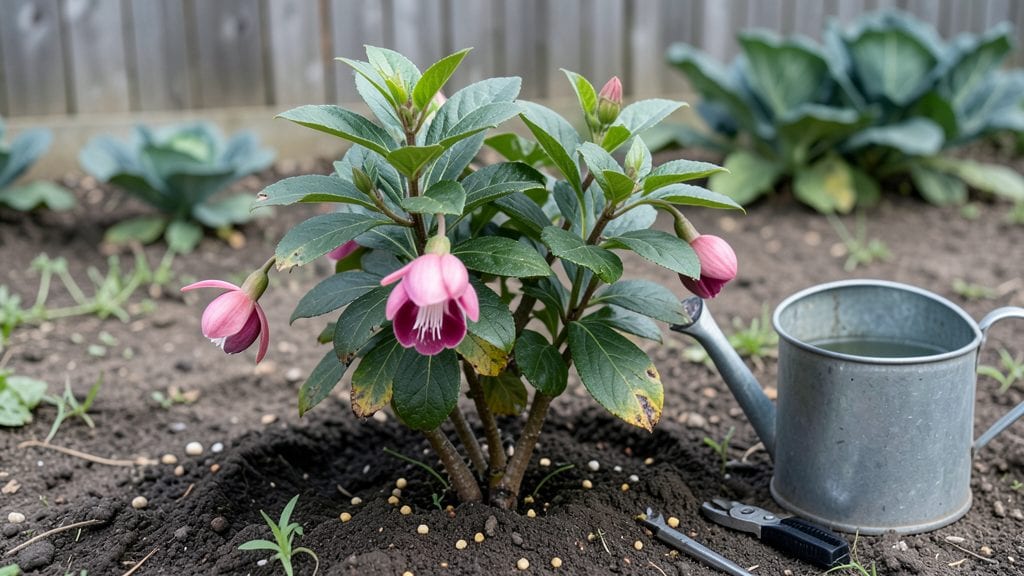
Here’s how to keep fuchsia flowering—my plants stopped dropping buds the moment I nailed light, water, and a little strategic pruning. 🌟 The secret isn’t complicated: these plants thrive when you mimic their natural tropical habits, even if you’re growing them in pots on your porch or windowsill.
Start with bright, indirect light—think morning sun and afternoon shade—and keep the soil consistently moist but never soggy. Overwatering stresses them, while underwatering makes them drop flowers faster than you can say “summer slump.”
A balanced fertilizer every 4-6 weeks keeps them blooming, but the real game-changer is pruning spent flowers and leggy stems to encourage fresh growth.
With these tweaks, you’ll watch your fuchsias produce nonstop blooms from spring through fall—and sometimes even winter if you bring them indoors. The key is consistency: adjust watering for heatwaves, boost humidity on dry days, and never let them sit in cold drafts.
Trust me, once you get the rhythm, your neighbors will be begging for cuttings.
Whether you’re dealing with outdoor beds or indoor pots, the same principles apply. Here’s how to keep them flowering like crazy—no green thumb required, just attention to detail. Let’s get those buds back where they belong!
📚 In This Guide
- What you need
- Instructions
- Tips and common mistakes
- Wrapping up and next steps
What you need
- ● Fuchsia plants: Healthy, mature fuchsias (1-3 plants per container, depending on size). Choose varieties like ‘Giant Marble’ or ‘Lady Boothby’ for reliable blooms.
- ● Well-draining potting mix: A high-quality blend (e.g., 60% peat moss, 30% perlite, 10% compost). 1 gallon per plant is ideal.
- ● Containers: Hanging baskets (8–12 inches deep) or pots with drainage holes. Terracotta or fiberglass works best.
- ● Balanced fertilizer: A 10-10-10 or 20-20-20 liquid fertilizer (organic or synthetic). Dilute to half-strength for feeding.
- ● Pruning shears: Sharp, clean shears (sterilize with rubbing alcohol between cuts).
- ● Watering can or spray bottle: For gentle hydration (avoid soggy soil!).
- ○ Mulch (optional but recommended): Pine bark or coconut coir to retain moisture and regulate temperature.
- ● Slow-release fertilizer pellets: Mix into soil for steady nutrition (e.g., Osmocote).
- ● Humidity tray: A pebble tray with water to boost moisture in dry climates.
- ● Grow lights: LED or fluorescent lights (12–14 hours/day) for indoor fuchsias.
- ● Epsom salt: 1 tbsp per gallon of water monthly for magnesium boost (prevents yellowing).
- ● Plant supports: Small stakes or cages for trailing varieties (e.g., ‘Trailing Ruby’).
Step-by-Step instructions for encouraging fuchsia blooms
Here's the straightforward approach I use to keep my fuchsias covered in flowers all season.
💧 Step 1: Master Watering Consistency
Fuchsias despise soggy roots but won't bloom if they dry out. Water when the top 2 inches of soil feel dry to touch—about every 2-3 days in summer, less in winter. I use the finger test: push your index finger in; if it comes out clean, water thoroughly until it drains from the pot's bottom holes.
Never let them sit in saucers of water—this causes root rot. Instead, empty saucers after watering. The key is moisture balance: too little triggers bud drop, too much causes yellow leaves. Aim for evenly damp soil that never stays wet.
☀️ Step 2: Position for Bright, Indirect Light
Fuchsias need morning sun but afternoon shade—think east-facing window or filtered light. Direct afternoon sun scalds leaves and stops blooming. If you see leaves turning crispy or white, move the plant back immediately. I rotate pots quarter-turn weekly so all sides get even light exposure.
For indoor growers, supplement with a grow light 12 hours daily if natural light drops below 4-6 hours. Watch for leggy growth (stems stretching toward light)—this means the plant's reaching for more intensity. Adjust the light within 6 inches of the foliage when you notice this.
✂️ Step 3: Prune Strategically After Each Flowering Cycle
Deadhead spent blooms by pinching off the stem just above a set of leaves. This redirects energy to new buds instead of seed production. I do this every 2-3 days during peak bloom—it's the single most effective way to prolong flowering. Use clean, sharp scissors to avoid tearing stems.
After the main flush of flowers fades (usually by late summer), give the plant a hard prune: cut back all stems to 4-6 inches from the base. This encourages bushier growth and a second round of blooms. Wear gloves—fuchsia leaves can irritate sensitive skin.
🪴 Step 4: Feed with the Right Fertilizer Schedule
Use a balanced liquid fertilizer (10-10-10) diluted to half-strength every 2 weeks during active growth. Switch to a high-phosphorus formula (like 5-10-5) when buds form to encourage blooming. I fertilize in the morning so any excess doesn't sit on leaves overnight.
Stop fertilizing completely in late fall when growth slows. Overfeeding causes weak stems and fewer flowers. If you see dark green leaves with no buds, you're likely overdoing it—flush the soil with water to reset the balance.
⏰ Step 5: Adjust Care for Seasonal Changes
In winter, reduce watering to once every 7-10 days and move plants to a cooler spot (55-65°F). Fuchsias go semi-dormant—don't fertilize during this time. Watch for buds forming in late winter; this signals it's time to increase water slightly and resume light feeding.
For year-round blooms, overwinter indoors with humidity (mist leaves occasionally or use a pebble tray). If you notice buds dropping, the air's too dry—group plants together or use a humidity dome. The goal is to mimic their natural tropical habitat without creating a swamp.
Tips & tricks for year-round fuchsia blooms
Here's what nobody tells you about keeping fuchsias flowering like clockwork—these are the secrets I've perfected after years of trial and error.
The Moisture Balance Secret: The 2-inch soil test in Step 1 is your best friend, but timing matters just as much. Water in the morning so excess drains away by evening—this prevents fungal issues that can silently kill buds. I've seen fuchsias drop flowers within days when watered at night, so stick to daylight hours. Also, use room-temperature water; cold water shocks the roots and stresses the plant, which it communicates by dropping buds.
Light Positioning Pro Tip: When rotating your pots weekly (Step 2), pay attention to leaf color changes. If you notice pale green leaves on one side, that's the plant reaching for more light—move it closer to the window. For indoor growers, place your grow light 6 inches above the foliage and adjust as stems elongate. I've had fuchsias stretch toward a window and never rebloom because they were always reaching for light they couldn't get.
Pruning Precision: That hard prune to 4-6 inches (Step 3) might seem drastic, but it's actually a growth reset button. The key is to prune just after the main bloom cycle when new growth is already starting. If you prune too early, you'll cut off potential buds; too late, and you're removing next season's flowers. I mark my calendar for late August—right after my first frost warning—to do this annual reset.
Fertilizer Timing Trick: The switch to high-phosphorus fertilizer (Step 4) should happen when you see tiny buds forming, not when flowers are already open. Phosphorus encourages root and flower development, but too early, and you'll get leafy growth instead of blooms. I keep a small notebook by my plants to track when buds appear each year—it's become my blooming calendar.
Pro Tips for Keep Fuchsia Flowering
- Here's what nobody tells you about keeping fuchsias flowering like clockwork—these are the secrets I've perfected after years of trial and error.
- The Moisture Balance Secret: The 2-inch soil test in Step 1 is your best friend, but timing matters just as much.
- Light Positioning Pro Tip: When rotating your pots weekly (Step 2), pay attention to leaf color changes.
Frequently asked questions
Got questions about keeping your fuchsias blooming like a dream? Here are some common concerns—and easy answers—to help you enjoy vibrant flowers all season long!
Why aren’t my fuchsias blooming at all?
If your fuchsia isn’t flowering, it might be needing more light or too much nitrogen-rich fertilizer (which encourages leaves over blooms). Try moving it to a brighter spot or switching to a phosphorus-heavy bloom booster like 5-10-5 fertilizer. Give it 6+ hours of sunlight daily for best results!
How often should I prune my fuchsia to encourage more flowers?
Prune your fuchsia regularly—about once a month—to shape it and stimulate new growth. Cut back one-third of the stems after blooming stops, focusing on spending old or leggy growth. This keeps the plant compact and encourages fresh buds! Use clean, sharp scissors for a smooth cut.
Can I grow fuchsias indoors year-round, or do they need to go outside?
You can grow fuchsias indoors, but they thrive best with outdoor conditions in warm climates. If keeping them inside, place them near a south- or west-facing window and use a grow light if needed. Rotate them weekly for even light exposure. In winter, reduce watering to prevent root rot!
What should I do if my fuchsia leaves are yellow or drooping?
Yellow leaves often mean overwatering or root rot. Let the soil dry out slightly between waterings and ensure pots have drainage holes. Drooping leaves could signal underwatering or low humidity. Try misting the plant or moving it to a more humid spot (like a bathroom). Adjust care based on the season!
Are there any alternatives to traditional fuchsias for year-round blooms?
If fuchsias struggle in your climate, try these low-maintenance alternatives for continuous color:
- Petunias – Thrives in hanging baskets and blooms nonstop with deadheading.
- Geraniums – Drought-tolerant and flowers heavily with minimal fuss.
- Begonias – Loves shade and produces vibrant blooms for months.
- Calibrachoa – A mini-petunia with prolific flowers, perfect for containers.
Wrapping up and next steps
Keeping your fuchsias blooming year-round is all about balance—light, pruning, nutrition, and a little TLC. With the right timing for deadheading, strategic fertilizing, and seasonal adjustments, you’ll enjoy vibrant flowers that never take a break! 🌸
Ready to put these tricks into action? Start by auditing your current care routine—maybe it’s time to tweak your fertilizer schedule or adjust that winter light source. Your fuchsias will thank you with nonstop color! 💪