
Pruning
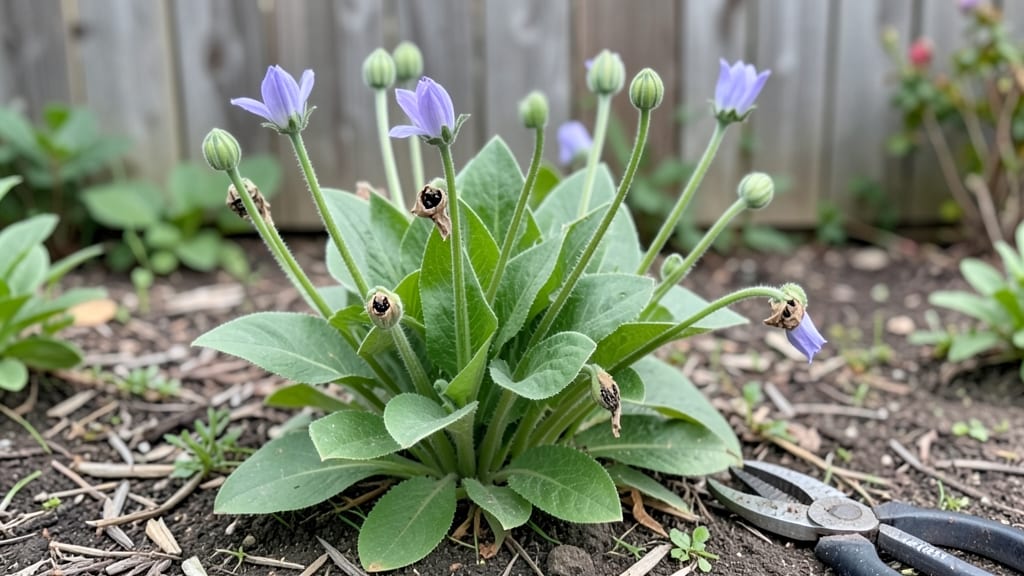
Pruning balloon flowers transforms leggy stems into a bushy, bloom-filled spectacle that neighbors will envy. 🌿 I’ve pruned these striking blue-purple blooms for years, and the difference between a ragged plant and one covered in flowers comes down to timing, technique, and a sharp pair of shears.
The key? Cutting after flowering—when those iconic seed pods start forming—and shaping the plant to encourage new growth.
You’ll need just three things: clean pruners, a sunny day (balloon flowers hate wet cuts), and a little patience. The best time is late summer or early fall, right after the blooms fade—this gives the plant time to recover before winter.
Avoid pruning in spring, or you’ll cut off next year’s flower buds. For established plants, aim to remove about a third of the oldest stems each year to keep the center from getting woody.
After pruning, your balloon flowers will reward you with fresh, compact growth by early summer. The blooms return thicker and more vibrant, and the plant stays tidy instead of sprawling. Just water well after cutting and add a light layer of compost to help the roots recover.
Within weeks, you’ll see new shoots pushing through—proof that a little maintenance goes a long way.
This method works for both garden beds and containers, and it’s especially useful if your balloon flowers have gotten floppy or overgrown. The same principles apply whether you’re dealing with a single plant or a whole border. Once you’ve done it once, you’ll wonder why you didn’t start sooner.
📚 In This Guide
- What you need
- Instructions
- Tips and common mistakes
- Wrapping up and next steps
What you need
- ● Pruning shears or secateurs – Choose bypass pruners (sharp, clean blades) for clean cuts. A 5-inch to 7-inch size works best for most balloon flowers.
- ● Garden gloves – Opt for cut-resistant, breathable gloves (e.g., nitrile-coated) to protect your hands from thorns or rough stems.
- ● Disinfectant (rubbing alcohol or bleach solution) – 1 part bleach to 9 parts water to sterilize tools between cuts and prevent disease spread.
- ○ Garden twine or rubber bands – For optional support if pruning heavy stems (e.g., ¼-inch thick twine).
- ○ Pruning saw (optional but helpful) – If dealing with thick, woody stems (½ inch or larger), a curved pruning saw makes the job easier.
- ● Hand lens or magnifying glass – Helps spot hidden pests or diseased areas before pruning.
- ● Compost bin or bag – For disposing of pruned stems (avoid composting if disease is suspected).
- ● Plant food or fertilizer – A balanced 10-10-10 or phosphorus-rich 5-10-10 formula to revive your balloon flowers post-pruning.
- ● Mulch (straw or shredded bark) – Apply 2-3 inches around the base to retain moisture and protect roots.
Step-by-step instructions for pruning balloon flowers
Here's how to keep your plants full and blooming year after year.
🌿 Step 1: Identify the Right Time to Prune
Balloon flowers thrive when pruned after their first major bloom cycle, typically in late spring or early summer. This is when you'll see the distinctive balloon-shaped buds forming. Pruning too early removes potential blooms, while waiting too long cuts into next season's growth. Watch for fully opened blooms with spent petals—these are your signal to start.
I like to prune on a mild, overcast day to reduce stress on the plant. Avoid pruning during extreme heat or cold, as this can shock the plant and invite pests. If you missed the first cycle, you can do a light second pruning in early fall to shape the plant for winter.
✂️ Step 2: Remove Dead or Damaged Growth
Start by inspecting your balloon flowers for dead, yellowed, or diseased stems. These should be your first to go—they sap energy from healthy growth. Use clean, sharp pruning shears to cut back to a healthy leaf node just above where the stem meets the main branch. This encourages new growth from the right spot.
Don't skip this step—dead stems can harbor fungal spores that spread to healthy parts of the plant. I always sterilize my shears with rubbing alcohol between cuts to prevent cross-contamination. If you see blackened or mushy stems, cut those back aggressively to prevent further spread.
🌱 Step 3: Thin Out Overcrowded Stems
Balloon flowers grow bushier when they have room to breathe. Look for thin, leggy stems growing inward or crossing over others—these compete for sunlight and nutrients. Aim to remove about one-third of the plant's total stems, focusing on the oldest or weakest ones first. You'll see a more open, airy plant structure within weeks.
Here's the thing—balloon flowers naturally grow in clusters, so don't over-thin. Leave at least 3-5 strong stems per plant to ensure continuous blooms. If you're unsure which to cut, look for stems with fewer than 3 leaves—these are often weaker and can be safely removed.
☀️ Step 4: Shape for Better Airflow and Light
Now it's time to shape the plant for maximum blooms. Step back and visualize the plant's natural form—balloon flowers grow in a mounded, bushy shape. Cut back any stems that grow too tall or spindly, trimming them back by one-third to encourage branching. This creates a fuller, more compact plant that blooms more abundantly.
Pay special attention to the center of the plant, where stems often tangle. Prune here to improve airflow, which reduces humidity-related diseases like powdery mildew. You'll notice new side shoots forming within 2-3 weeks—these are your plant's way of saying "thank you" for the pruning.
💧 Step 5: Post-Pruning Care for Strong Recovery
After pruning, give your balloon flowers a deep watering to help them recover. The roots need moisture to support new growth, especially if you've cut back a lot of foliage. Water at the base of the plant in the morning to reduce evaporation and fungal risks.
Apply a balanced, water-soluble fertilizer (like 10-10-10) diluted to half strength. This gives the plant the nutrients it needs to bounce back quickly. Avoid heavy fertilizing right after pruning—too much nitrogen can lead to leafy growth at the expense of blooms. Instead, focus on moderate feeding every 2-3 weeks during the growing season.
Tips & tricks for pruning balloon flowers
Real talk: Pruning can feel intimidating, but these tricks will help you transform your balloon flowers into a lush, blooming powerhouse without hesitation.
Timing is Everything: The late spring/early summer window for pruning after the first bloom cycle is non-negotiable. I've learned this the hard way—pruning too early means fewer blooms, and waiting too long sacrifices next year's growth. Look for fully opened blooms with spent petals as your clear signal. If you missed this cycle, don't panic: a light second pruning in early fall can still help shape your plant for winter.
Sterilize Your Tools: This is a game-changer I wish I'd known sooner. Always sterilize your pruning shears with rubbing alcohol between cuts—especially when dealing with diseased stems. I keep a small bottle of alcohol in my gardening toolkit specifically for this purpose. Clean tools prevent fungal spores from spreading to healthy parts of your plant, which means fewer diseases and happier blooms.
Visual Pruning Guide: When thinning stems in Step 3, think of your plant as a sculpture. Remove stems growing inward or crossing over others—they're the ones competing for sunlight and nutrients. Aim to take out about one-third of the total stems, but leave at least 3-5 strong stems per plant. Here's my trick: count the leaves on each stem. If you see fewer than 3 leaves, that's your cue to cut it back—these are often the weaker stems that won't contribute much to your plant's structure.
Post-Pruning Recovery: After you've done your pruning work, don't forget the deep watering step. I've seen plants struggle after heavy pruning because they weren't given enough moisture to support new growth. Water at the base in the morning to reduce evaporation and fungal risks. Then, apply a balanced fertilizer diluted to half strength—this gives your plant just the right nutrients to bounce back without overwhelming it with too much nitrogen, which can lead to leafy growth at the expense of those beautiful blooms.
Pro Tips for Prune Balloon Flowers
- Real talk: Pruning can feel intimidating, but these tricks will help you transform your balloon flowers into a lush, blooming powerhouse without hesitation.
- Timing is Everything: The late spring/early summer window for pruning after the first bloom cycle is non-negotiable.
- Sterilize Your Tools: This is a game-changer I wish I'd known sooner.
Frequently asked questions
Got questions about pruning balloon flowers? You’re not alone—this popular perennial can be a little tricky to get right! Here are answers to the most common concerns from gardeners like you:
When’s the best time to prune balloon flowers?
The ideal time is right after they finish blooming in early fall. Wait until the flowers fade (usually late summer), then trim back the spent stems by about a third. This encourages new growth and next year’s blooms! Pro tip: Avoid pruning in late winter—wait until spring growth starts if you missed fall.
Can I prune balloon flowers in spring?
Yes, but hold off until new shoots appear (late winter to early spring). Lightly trim dead or damaged stems to shape the plant, but avoid heavy cuts—this can stress the roots. Best practice: Focus on removing old wood and thinning crowded areas for airflow.
What if my balloon flowers don’t bloom after pruning?
No blooms? Check these fixes:
- Pruned too late? Fall pruning is critical—wait until after flowering ends.
- Lack of sunlight? Balloon flowers need 6+ hours of sun daily.
- Over-fertilized? Use a balanced fertilizer (10-10-10) sparingly.
- Old roots? If the plant is 5+ years old, consider dividing it in spring.
Do I need special tools for pruning balloon flowers?
No fancy gear—just sharp, clean tools do the job! Use:
- Pruning shears (for small stems)
- Loppers (for thicker branches)
- Gloves (to protect hands from thorns)
Can I prune balloon flowers to keep them smaller?
To control height, prune back one-third of the plant in early spring (before new growth). For bushier growth, pinch back tips of young stems in summer. Warning: Heavy pruning in fall may reduce next year’s flowers—balance shape and bloom goals!
Wrapping up and next steps
Pruning your balloon flowers doesn’t have to be intimidating—with the right timing, tools, and techniques, you’ll encourage vibrant blooms and lush foliage all season long! 🌸 Whether you’re trimming for shape, health, or more flowers, remember to work gently, stay consistent, and enjoy the process.
Your garden will thank you with bursts of color and energy.
Ready to take your pruning skills to the next level? Try experimenting with deadheading spent blooms weekly or even propagate cuttings to share with fellow plant lovers. Happy pruning—your balloon flowers are waiting for you! ✂️🌿