
Vegetables
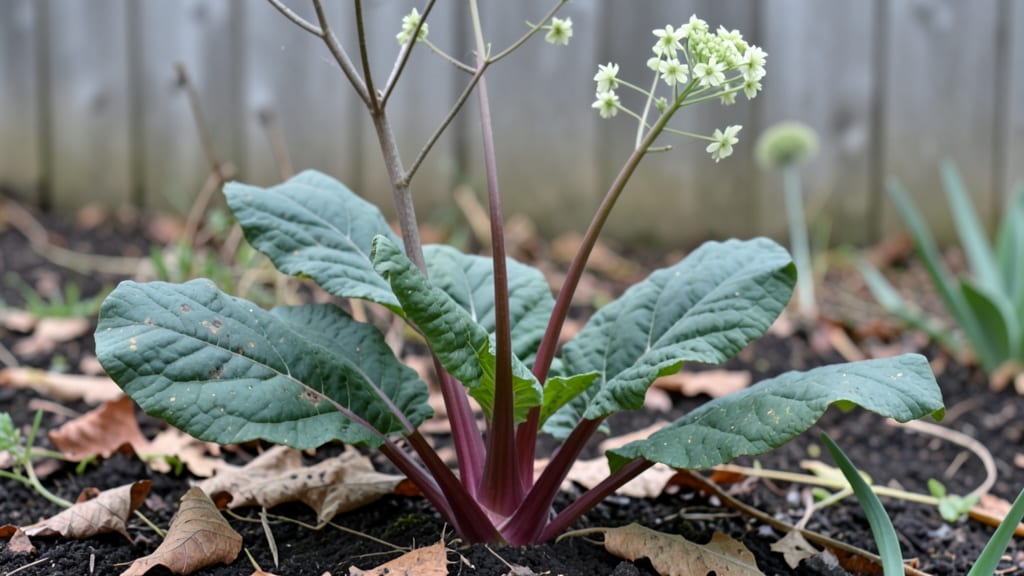
Removing rhubarb flower stalks at the right time can double your harvest—here’s why those bright red shoots are actually draining your plant’s energy.
Did you know those striking red flower stalks on your rhubarb plant 🌱 are actually stealing nutrients from your prized harvest? Removing them at the right time can double your yield—but timing and technique matter.
If you’ve ever watched your rhubarb struggle to produce after a big bloom, you’re not alone. Those flower stalks signal the plant to focus on seed production instead of leaf and stalk growth, which is why gardeners prune them early.
In this guide, I’ll walk you through the best time to remove them, how to do it without harming the plant, and whether you can actually use those stalks in the kitchen.
When to remove rhubarb flower stalks for maximum harvest growth
If you've ever watched your rhubarb plant send up those dramatic red flower stalks in early spring, you might have wondered whether to remove them or let nature take its course. The truth?
Those flower stalks are nutrient thieves, diverting energy away from your edible stalks and weakening next year's growth. But timing everything perfectly is key—remove them too early, and you risk stunting the plant's energy reserves.
Remove them too late, and you could compromise the root system needed for winter survival.
The best time to remove rhubarb flower stalks depends on your climate zone and the plant's growth stage. In most regions, the optimal window is late winter to early spring—just as the stalks begin to emerge but before they fully open.
This timing ensures your rhubarb has enough energy to produce plump, sweet stalks while still storing nutrients for dormancy. Let’s break down the exact steps and signs to watch for.
🌱 5 Key Signs It's Time to Remove Rhubarb Flower Stalks
- 1. Stalks reach 4-6 inches tall – This is the critical early stage when flower stalks begin diverting energy. Removing them now prevents nutrient loss.
- 2. Buds swell but haven’t opened – The tight bud stage (just before blooming) is ideal for removal to protect the plant’s energy reserves.
- 3. Leaves show signs of stress – Yellowing or wilting leaves signal the plant is struggling to support both flowers and edible stalks.
- 4. You’re in USDA Zone 5-7 and frost is imminent – Late-season removal (after June 1) risks root damage before winter dormancy.
- 5. Stalks are bright red or green but still firm – Soft or overripe flower stalks indicate it’s too late; the plant has already lost energy.
Pro tip: If you’re in a warmer climate (Zone 8+), you can safely remove flower stalks as late as early May, but always prioritize the bud stage over fully bloomed flowers. The goal is to preserve root energy while maximizing your harvest window.
Waiting too long means your rhubarb will bolting—a process where the plant shifts focus entirely to seed production, leaving you with small, tough stalks.
One common misconception is that removing flower stalks will kill the plant. In reality, it’s the opposite—your rhubarb will thrive with more energy directed toward edible stalks and root development. Think of it like giving your plant a nutrient boost for the season ahead.
Just be sure to use clean, sharp pruners to avoid damaging the crown, and remove the stalks at the base where they meet the soil.
Late removal—especially after the stalks have fully bloomed—can lead to aphid infestations, as the flowers attract pests. These insects then spread to your edible stalks, causing stunted growth or even leaf curl.
To prevent this, always remove flower stalks before they open, and consider applying a neem oil spray afterward to deter pests. This two-step approach keeps your rhubarb healthy and productive.
Another critical factor is seasonal timing. In northern climates, aim to remove flower stalks by mid-April to give your plant enough time to recover before the harvest season peaks in May-June.
In southern regions, where winters are milder, you might extend the window to late April or early May. The key is to act before the plant commits to flowering, ensuring it stays focused on stalk production.
What about young rhubarb plants? If your rhubarb is in its first or second year, prioritize root establishment over harvest. Remove any flower stalks immediately upon sight, as these plants need all their energy to build a strong crown.
Delaying removal in young plants can reduce future yields by up to 30%, so don’t hesitate—act fast!
For mature rhubarb plants (3+ years old), the stakes are higher. These plants have larger root systems and can handle a bit more stress, but they still need optimal timing.
Remove flower stalks in early spring (before March 15 in most zones) to ensure your plant has 6-8 weeks of active growth before the harvest season begins. This timing aligns with the plant’s natural growth cycle and maximizes your yield potential.
Finally, don’t forget that rhubarb flower stalks can be edible in moderation—they’re often used in jams, syrups, or teas. If you’re feeling adventurous, harvest a few young flower buds (before they open) and infuse them in vodka or honey for a unique flavor.
Just limit your harvest to 1-2 stalks per plant to avoid stressing the plant. The rest should go straight to the compost pile or mulch to return nutrients to the soil.
By mastering the art of rhubarb flower stalk removal, you’ll not only protect your harvest but also extend your plant’s lifespan. A well-timed prune now means bigger, sweeter stalks next season—and fewer pest problems to boot. Happy pruning! 🌱
Step-by-step guide to safely pruning rhubarb flower stalks without damaging the plant
Pruning rhubarb flower stalks is essential for maximizing your harvest, but doing it wrong can stress your plant. These red flower stalks may look pretty, but they drain energy from the roots and stalks you actually want to eat.
The key is timing and technique—cut too early or too late, and you risk reducing next year’s yield. Let’s break down the safest way to remove them without harming your rhubarb plant.
First, identify the flower stalks—they’ll emerge in early spring, often taller than the leaves. These stalks can reach up to 3 feet tall and are a clear sign your plant is redirecting energy away from your harvest.
The best time to prune is when the stalks are 6-12 inches tall, which usually occurs in late April to early May, depending on your USDA zone. Wait too long, and the plant will waste energy producing seeds instead of growing edible stalks.
⚠️ Critical Pruning Mistake: Cutting Too Late
If you leave rhubarb flower stalks unattended until they fully bloom, your plant will divert 40-50% of its energy into seed production, drastically reducing next year’s harvest. The stalks also attract aphids and other pests, which can further stress the plant.
Always prune when stalks are young—this ensures your rhubarb stores energy in the roots for future growth.
Start by gathering your tools: a pair of clean, sharp pruning shears or a bypass pruner. Avoid using dull tools, as they can tear the stalk and leave jagged edges that invite disease. Hold the stalk at a 45-degree angle, about 1 inch above the soil line.
This angle helps water run off the cut, reducing rot risk. Cut firmly in one smooth motion—hesitation can crush the stalk and damage the plant’s vascular system.
Once removed, you might wonder what to do with the flower stalks. While they’re not edible, you can compost them or use them in organic pest traps. Place cut stalks in a bucket of soapy water to drown aphids or other pests that gather on them.
Alternatively, chop them up and add them to your compost pile, where they’ll break down quickly. Just avoid throwing them in the trash—this can attract pests to your garden.
After pruning, give your rhubarb plant a little extra care. Water deeply to help it recover, and apply a balanced fertilizer (like 10-10-10) to replenish nutrients. Avoid heavy fertilization immediately after pruning, as this can encourage new growth that might also produce unwanted flower stalks.
Instead, focus on keeping the soil moist and mulching around the base to retain moisture and regulate soil temperature.
Common mistakes to avoid include cutting too close to the crown or removing healthy leaves by accident. The crown is the heart of your plant—damaging it can kill the rhubarb. Also, never pull stalks by hand, as this can uproot the plant or leave behind broken pieces that rot.
If you accidentally damage a leaf, simply trim it back to the main stem to prevent disease. With the right technique, your rhubarb plant will reward you with larger, more abundant stalks next season.
Finally, monitor your plant closely after pruning. New flower stalks may emerge later in the season, especially if your rhubarb is stressed. Remove these promptly to protect your harvest.
With consistent care and timely pruning, your rhubarb will thrive for years, providing you with a bountiful crop of tender, crisp stalks every spring and summer. 🌱