
Pruning
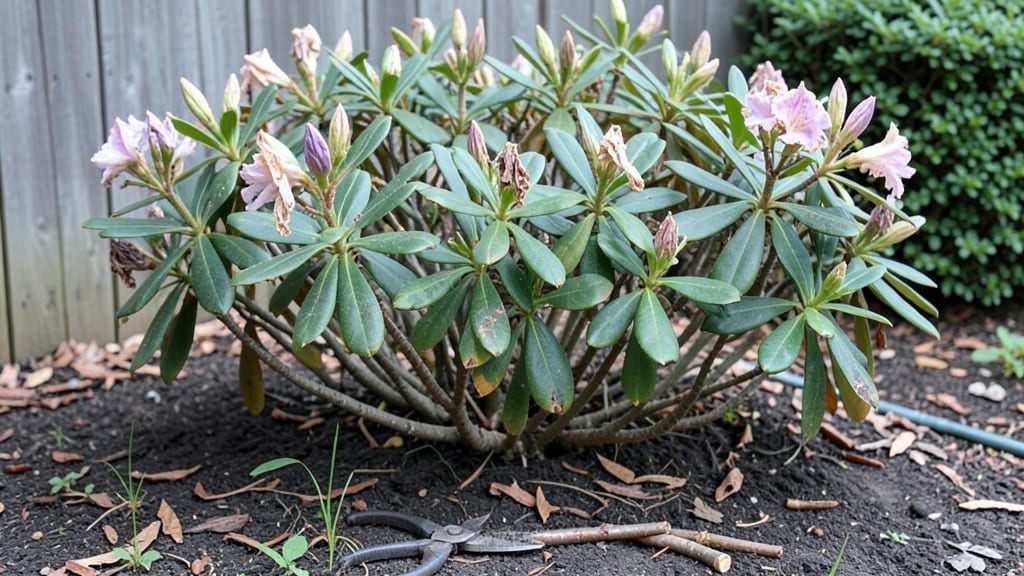
Pruning rhododendrons after flowering is the secret to next year’s showstopping blooms—and I’ve learned the hard way that timing is everything. 🌿 The moment those last flowers fade, your plant is already forming buds for spring, so cutting too soon means sacrificing next season’s display.
My first attempt left me with sparse blooms, but now I follow a simple rule: wait 4–6 weeks after flowering before touching the shears.
The tools you’ll need are basic: clean, sharp pruners (dull blades crush stems), gloves (those thorns don’t play nice), and a bucket for clippings. Focus on dead, crossing, or overcrowded branches first—these are the easy wins.
Then, shape lightly by trimming back only the oldest stems by one-third, never more. This keeps the plant’s energy balanced for new growth, not just blooms.
What you’ll end up with is a rhododendron that blooms bigger and longer every year, with fewer gaps in its canopy. The flowers stay vibrant, the plant stays healthy, and you avoid that “bare center” look that ruins the show.
Just don’t rush—patience here means more blooms next spring, not fewer.
Works for all rhododendron types, from compact shrubs to towering specimens, but check your variety’s specific needs. Some early bloomers (like Rhododendron ‘PJM’) need even later pruning. Here’s how to do it right the first time.
📚 In This Guide
- What you need
- Instructions
- Tips and common mistakes
- Wrapping up and next steps
What you need
- ● Sharp pruning shears – Bypass pruners (4-6 inch blades) for clean cuts on smaller stems.
- ● Loppers – 8-10 inch bypass loppers for thicker branches (up to 2 inches in diameter).
- ● Pruning saw – Curved-tooth saw for stubborn, woody stems (3-4 inches wide).
- ● Gloves – Heavy-duty gardening gloves (waterproof, with reinforced palms) to protect from thorns and sap.
- ● Disinfectant (70% isopropyl alcohol or bleach solution) – 1 part bleach to 9 parts water to sterilize tools between cuts and prevent disease.
- ● Trash bags or bucket – For collecting pruned branches and debris.
- ● Hose or water spray bottle – To rinse tools and clean sap off blades.
- ○ Notebook & pencil – Optional but helpful for sketching pruning plans or noting plant structure.
- ● Hand pruners with a crimping tool – For sealing larger cuts and reducing sap bleed.
- ● Knee pads – If your rhododendron is ground-level or you’ll be kneeling for extended periods.
- ● Safety glasses – To shield eyes from debris, especially when sawing.
- ● Plant food or compost – To nourish the plant post-pruning (e.g., slow-release fertilizer or aged compost).
- ● Mulch (pine bark or shredded leaves) – To protect roots and retain moisture after pruning.
Step-by-step instructions for pruning rhododendrons after flowering
Here's how I keep my rhododendrons blooming bigger every year—no guesswork involved.
⏰ Step 1: Wait Until Flowers Fade and Seed Pods Form
Timing is everything with rhododendrons. Start pruning only after 70-80% of flowers have faded and the seed pods begin to form. This ensures next year's flower buds—already forming on last year's growth—aren't accidentally removed. I wait until late June or early July in my zone 6 climate, but adjust based on your region's last frost date.
Look for flowers that have lost their vibrant color and turned brownish. The seed pods will appear as small, green bumps where the flowers were. If you prune too early, you risk cutting off next year's blooms before they develop. If you wait too long, you might stimulate unwanted new growth that won't have time to harden off before winter.
✂️ Step 2: Remove Dead or Damaged Growth First
Start by cutting out any dead, diseased, or crossing branches using sharp, clean pruners. I always sterilize my tools with rubbing alcohol between cuts to prevent spreading disease. Focus on branches that are brown, mushy, or have blackened spots—these won't recover and only take energy from healthy growth.
Next, remove any branches that are rubbing against each other or growing inward toward the center of the plant. These "crossing branches" compete for sunlight and nutrients, weakening the plant over time. Make your cuts just above a bud or outward-facing leaf to encourage new growth in the right direction. Avoid leaving stubs—clean cuts heal faster and look better.
🌿 Step 3: Thin Out Overcrowded Areas for Better Airflow
Rhododendrons thrive when they have good airflow around their foliage. If branches are too dense, new growth will be weak and prone to fungal issues. Look for areas where leaves are touching each other or where sunlight can't penetrate to the center. These are your targets for thinning.
Select branches to remove based on their position and thickness. Aim to open up the center of the plant by 20-30% while maintaining its natural shape. I like to step back every few cuts to visualize the plant's overall form. Remove no more than one-third of the plant's total foliage in a single pruning session—this prevents shock and keeps the plant strong for winter.
☀️ Step 4: Shape the Plant for Next Year's Blooms
Now's the time to give your rhododendron its signature shape. I prefer a slightly rounded, dome-like form that allows sunlight to reach all the branches. Start by cutting back any overly long or leggy branches to one-third of their length, making the cut just above a leaf bud or side branch.
For a more natural look, avoid cutting straight across branches—this can leave unsightly stubs. Instead, make angled cuts that follow the branch's natural taper. Focus on branches that are growing upward or outward to maintain an open, airy structure. The goal is to encourage new growth that will produce next year's flowers while keeping the plant's overall silhouette balanced.
Tips & tricks for perfect rhododendron pruning after flowering
These simple tricks will help you avoid common mistakes and keep your rhododendrons thriving for years to come.
Timing is Everything: I can't stress this enough—wait until you see those 70-80% faded flowers and tiny green seed pods forming. This is your cue that next year's flower buds are safely developing. I've made the mistake of pruning too early and ended up with sparse blooms the following spring. A good rule of thumb is to prune after Memorial Day in most climates, but always check for those seed pods first.
Tool Prep Prevents Problems: Sterilizing your pruners with rubbing alcohol between cuts is a game-changer. I learned this the hard way after my rhododendron developed fungal spots from contaminated tools. Keep a small bottle of rubbing alcohol handy and wipe down your blades after every 3-4 cuts, especially when dealing with diseased branches. Sharp tools also make cleaner cuts that heal faster.
Visualize the Final Shape: Before making any cuts, step back and look at your rhododendron from all angles. I like to imagine the plant's natural dome shape and how sunlight should reach all branches. When thinning, aim to open up the center by 20-30%—this improves airflow and prevents fungal issues. Remember, you're not just pruning branches; you're sculpting next year's blooms.
Cutting Technique Matters: Always make your cuts just above a bud or outward-facing leaf, and avoid leaving stubs. I use the "thinning cut" method where I remove entire branches rather than just trimming them back. This creates a more open structure and encourages better airflow. For shaping cuts, make angled cuts that follow the branch's natural taper—this makes the cuts less noticeable and helps the plant heal more quickly.
Pro Tips for Prune Rhododendron After Flowering
- These simple tricks will help you avoid common mistakes and keep your rhododendrons thriving for years to come.
- Timing is Everything: I can't stress this enough—wait until you see those 70-80% faded flowers and tiny green seed pods forming.
- Tool Prep Prevents Problems: Sterilizing your pruners with rubbing alcohol between cuts is a game-changer.
Frequently asked questions
Got questions about pruning your rhododendrons? You’re not alone! Here are some of the most common concerns—answered simply so you can tackle your pruning with confidence.
Can I prune my rhododendron at any time?
Timing matters! While you can prune rhododendrons outside their flowering season, the best time is right after blooming (late spring to early summer). Pruning too late in the season may reduce next year’s flowers. If you must prune later, focus only on dead or diseased branches—avoid heavy cuts that could stress the plant.
What if I prune my rhododendron too early?
Pruning too early (before or during flowering) can be a bummer—your plant might skip blooming entirely the next year! Rhododendrons rely on old wood for flowers, so aggressive cuts in winter or early spring can leave them with fewer blooms. If you’re unsure, wait until after the last flowers fade to play it safe.
How do I know if my rhododendron needs pruning?
Look for these red flags:
- Dead or dying branches—brown, brittle stems that snap easily.
- Overcrowded growth—thick, tangled stems blocking light.
- Diseased wood—mushy, discolored, or oozing stems.
Can I prune rhododendrons in fall or winter?
Fall and winter pruning is possible, but it’s a riskier move. If you must do it, limit cuts to removing dead wood only—avoid shaping or thinning. New growth in late winter/early spring can be damaged by frost, and pruning too late may encourage weak, leggy stems. For best results, stick to post-bloom pruning in late spring.
What if my rhododendron doesn’t bloom after pruning?
No blooms? Don’t panic—it’s often a timing issue! Try these fixes:
- Check if you pruned too aggressively—cut back only 1/3 of old growth per year.
- Ensure your plant gets full sun to partial shade (6+ hours of light daily).
- Feed with acid-loving plant fertilizer in early spring to encourage blooms.
Wrapping up and next steps
Pruning your rhododendron after flowering is all about timing, technique, and a little patience—and you’ve got the know-how to make it work! 🌿 By waiting until after the blooms fade but before new growth hardens, you’ll encourage lush foliage and even more stunning flowers next season.
Remember: never cut more than 1/3 of the plant, and always sterilize your tools to keep your shrub healthy.
Now that you’re armed with the right steps, grab those shears and get pruning! 🌸 Your rhododendron will thank you with vibrant blooms year after year. Ready to tackle another gardening task? Check out our guide on fertilizing rhododendrons for maximum growth—your next gardening adventure awaits!