
Flowers
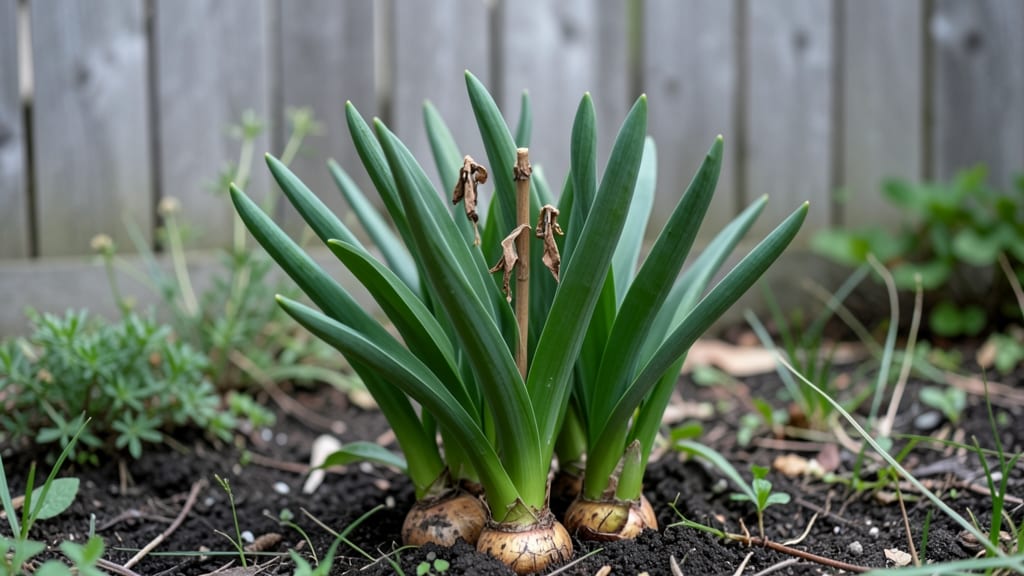
Caring for your 🌷 hyacinths after flowering is the difference between next spring’s showstopper blooms and a sad, shriveled bulb in the soil.
Your hyacinths have dazzled with their vibrant blooms, but what happens next determines whether they’ll return next spring—and even more spectacularly. Proper post-flowering care is the secret to stronger bulbs, healthier foliage, and a repeat performance of those stunning colors.
Skipping the right steps after those fragrant flowers fade can leave your bulbs weak, stunted, or worse—completely forgotten until they rot in the ground. The good news?
With just a few simple adjustments to watering, feeding, and trimming, you can set your hyacinths up for a bigger, bolder comeback next year.
Below, I’ll walk you through the exact steps—from deadheading those spent blooms to fertilizing at the right time—to ensure your hyacinths don’t just survive the off-season, but thrive for years to come.
How to care for hyacinths after flowering to ensure next year’s blooms
Once your hyacinths have finished flowering, the real work begins—not for the blooms, but for the bulbs beneath. Skipping proper aftercare can leave you with weak, sparse flowers next spring, or worse, no blooms at all.
The key is balancing foliage preservation, water adjustments, and nutrient management to strengthen the bulb for its next cycle. Think of it as giving your hyacinths a nutritious retirement so they can return stronger than ever.
Hyacinths store energy in their bulbs during the growing season, and the yellowing foliage after flowering is actually critical for this process. Cutting it back too soon robs the bulb of the nutrients it needs to produce next year’s stunning blooms.
Even if the flowers fade, the leaves should remain until they turn brown and crispy. This might seem counterintuitive, but it’s the secret to long-term bulb health and vibrant reblooming.
Step-by-Step Guide to Hyacinth Aftercare
- 1 Deadhead the flowers but leave the foliage intact. Use clean pruners to snip spent blooms just above the lowest healthy leaf. This prevents seed production, which drains the bulb’s energy.
- 2 Reduce watering gradually over 2-3 weeks. Hyacinths need less moisture as the foliage yellows. Water deeply once a week in summer, then taper to bi-weekly once the leaves brown. Overwatering now causes rot and weakens the bulb.
- 3 Apply a balanced fertilizer (like 5-10-10) in early summer to replenish nutrients. Use half the recommended dose to avoid burning the foliage. Focus on phosphorus and potassium to boost bulb strength for next year’s blooms.
- 4 Mulch lightly with 2-3 inches of organic mulch (like straw or shredded leaves) to retain moisture and regulate soil temperature. Avoid piling mulch against the bulb base, as this can cause rot during dormancy.
- 5 Wait until foliage turns brown before cutting it back. Once the leaves are crispy and dry, trim them to 1-2 inches above the soil. This ensures the bulb has absorbed all stored nutrients before dormancy.
- 6 Prepare for winter dormancy. Hyacinths enter dormancy in late summer/early fall. Reduce watering to monthly and avoid fertilizing. In USDA Zone 5 or colder, add a 4-inch mulch layer for insulation.
Skipping these steps can lead to weaker bulbs and fewer blooms next season. For example, cutting back foliage too early deprives the bulb of 60-70% of its stored energy, often resulting in no flowers at all.
Even overwatering during dormancy can cause bulb rot, which is irreversible. Think of each step as an investment in next year’s showstopping display—because the most dramatic hyacinth blooms start with careful aftercare.
If you’re growing hyacinths in containers, the process is similar but requires extra attention to drainage. After flowering, move pots to a shadier spot and reduce watering to every 10-14 days.
Container-grown bulbs dry out faster, so monitor soil moisture closely. In fall, store pots in a cool, dark place (like a garage) until spring planting. This mimics natural dormancy conditions and prevents premature sprouting.
One common mistake is assuming that yellow leaves mean the plant is dead. While it’s true that hyacinth foliage will eventually brown, the bulb is still active until the leaves are completely crispy.
If you see mold or soft rot on the bulb, it’s a sign of overwatering or poor drainage. In this case, dig up the bulb, trim any damaged areas, and repl
When and how to cut back hyacinth foliage without harming the bulb
After your hyacinths finish their stunning spring display, the foliage may look tired—but don’t cut it back too soon! The leaves play a critical role in feeding the bulb for next year’s blooms. Proper timing and technique ensure your hyacinths store enough energy to return stronger than ever.
Many gardeners make the mistake of trimming hyacinth foliage immediately after flowers fade. This weakens the bulb by cutting off its food supply. Instead, wait until the leaves turn yellow-brown and wither naturally. This process, called senescence, signals the bulb has absorbed nutrients.
⚠️ Warning: Never Cut Hyacinth Foliage Too Early!
Cutting leaves before they yellow starves the bulb of stored energy, leading to smaller or no blooms next spring. The foliage must photosynthesize for 6-8 weeks after flowering to fully recharge the bulb.
Once the leaves are completely brown and crispy, use clean, sharp pruners to trim them back to 1-2 inches above the soil. This prevents disease while keeping the bulb undisturbed. Avoid pulling or tugging, which can damage roots.
For potted hyacinths, reduce watering as foliage yellows but keep soil slightly moist until leaves die back. Overwatering after flowering can rot the bulb, while underwatering stresses it. Aim for a balanced approach—just enough to support the leaves without drowning the roots.
If you notice mold or rot on the foliage before it fully dies back, remove only the affected parts. This prevents spreading to the bulb while allowing healthy leaves to continue feeding it. A fungicide spray can help if mold appears.
After trimming, apply a light layer of mulch (1-2 inches) to protect the bulb during summer dormancy. This shields it from extreme heat and retains moisture. In fall, remove the mulch before replanting or fertilizing for next year’s growth.
By following these steps, your hyacinth bulbs will store enough energy to produce vibrant blooms for years to come. Patience during this phase pays off with healthier plants and longer-lasting color in future seasons. 🌷