
Shrubs
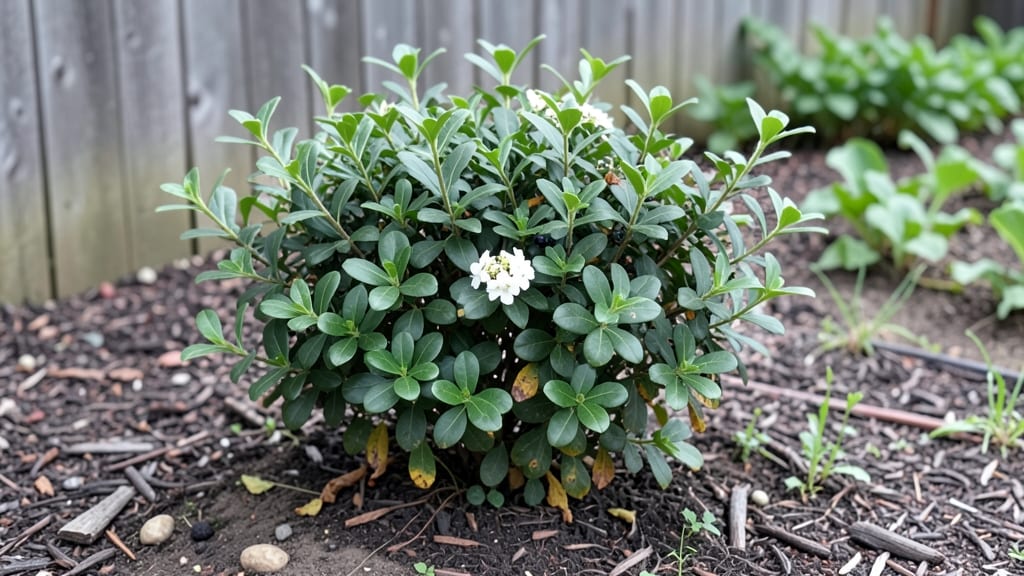
Cultivating inkberry holly flowers starts with understanding its unique growth cycle—because those tiny, fragrant blooms are the gateway to the berries you love.
Struggling to keep your Inkberry Holly lush and productive year after year? The secret lies in strategic pruning—timing, technique, and tools all play critical roles in maximizing berry production while maintaining that signature evergreen beauty.
This spring-loving shrub thrives in USDA Zone 6a with partial shade, but even the hardiest Inkberry Holly needs the right care to encourage those delicate white flowers that lead to vibrant berries.
In this guide, I’ll walk you through the exact pruning steps, seasonal tips, and tools to keep your Inkberry Holly flowering and berry-filled for years to come.
When and how to prune inkberry holly for maximum berry production
Pruning your Inkberry Holly at the right time ensures a bountiful berry harvest while keeping its compact, lush shape. Unlike many shrubs, inkberry holly produces berries on old and new wood, so timing matters.
The best windows are late winter (just before buds swell) or early spring—never after June, or you risk cutting off next year’s berries.
I’ve learned the hard way that aggressive summer pruning can leave your plant looking ragged and berry-less. The key is selective pruning to encourage flowering branches while maintaining airflow. Let’s break down the step-by-step process for a thriving, berry-producing inkberry holly.
How to Prune Inkberry Holly for Flowers & Berries
- Step 1: Choose the right season—prune in late winter (February-March) or early spring (April) before buds break. Avoid pruning after June to protect next year’s berries.
- Step 2: Remove dead/diseased wood first—cut branches back to healthy green tissue using clean, sharp bypass pruners. This prevents pests and disease from spreading.
- Step 3: Thin out crowded branches—look for crossing or rubbing branches and remove 1/3 of the oldest stems to encourage new growth where flowers and berries form.
- Step 4: Shape the shrub—prune to maintain a rounded or vase-like shape, focusing on outward-facing branches to improve airflow and sunlight penetration.
- Step 5: Encourage flowering branches—leave last year’s wood (where berries form) and new growth (where next year’s flowers bud). Avoid cutting flower buds that appear in spring.
- Step 6: Clean up—dispose of pruned debris immediately to prevent fungal spores from lingering. Sterilize tools with rubbing alcohol between cuts.
🌱 Pro Tip: Inkberry holly flowers are tiny and greenish-white, appearing in spring before berries form. Preserve these branches to ensure a heavy berry crop later.
When pruning, focus on selective thinning rather than shearing. Shearing can stimulate dense, non-flowering growth, reducing berry production. Instead, prune 10-20% of the plant annually to maintain balance. For young plants (under 3 years), limit pruning to removing dead wood—they need all their energy to establish roots.
Inkberry holly’s flowering cycle is tied to its growth patterns. Flowers appear on new wood in spring, while berries develop on old wood from the previous year.
By pruning in late winter, you’re stimulating new growth that will flower and fruit the following season. This two-year cycle is why timing is everything.
If your inkberry holly isn’t producing berries, it might be over-pruned or under-fertilized. A balanced fertilizer (like 10-10-10) in early spring can help, but pruning mistakes are often the real culprit.
Always step back and visualize the plant’s structure—aim for an open, airy shape that encourages both flowers and berries.
For large, mature shrubs, consider renewal pruning—cutting back 1/3 of the oldest stems to the ground every 3-5 years. This rejuvenates growth and ensures a steady supply of flowering branches.
Just be patient—it may take a season or two to see full recovery, but the berry production will rebound.
Finally, avoid pruning in fall. Late pruning can stimulate tender new growth that’s vulnerable to frost damage. Stick to late winter or early spring, and your inkberry holly will reward you with vibrant berries and lush foliage year after year.
With the right approach, you’ll turn pruning from a chore into a berry-producing powerhouse.
🌿
Common inkberry holly pruning mistakes that kill berries (and how to fix them)
Your inkberry holly may look healthy, but if you're not seeing those glossy black berries you love, pruning mistakes could be the culprit. I’ve seen gardeners accidentally strangle their plants with overzealous cuts or miss the best timing—both of which can kill berry production.
The good news? Fixing these errors is easier than you think, and your shrub can bounce back with the right approach.
Inkberry holly flowers appear in late spring (April–May in most zones), but the berries develop on new growth from the previous year’s branches. That means pruning too late—or too aggressively—can leave your plant berry-less for seasons.
Let’s tackle the top mistakes and how to reverse them before it’s too late.
🌿 Critical Mistake: Pruning After Flowering
If you cut back inkberry holly flowers or new growth after May, you’re removing next year’s berry-producing branches. These plants need 1–2 years for branches to mature enough to bear fruit. Always prune before buds swell (late winter/early spring) to preserve flowering wood.
First on the list: over-pruning. I’ve watched gardeners hack away 30%+ of the plant in one session, thinking it’s helping. But inkberry holly thrives on dense foliage, and aggressive cuts shock the shrub, reducing energy for berry development.
Limit yourself to no more than 25% removal per year, focusing on dead or crossing branches first.
Another silent killer is using dull or dirty pruners. Jagged cuts tear bark, inviting disease and pests that stress the plant. Always sanitize tools with rubbing alcohol and sharpen blades before pruning.
I keep a small pruning kit with shears, loppers, and a file in my shed—it’s saved my shrubs from infections more times than I can count.
Timing is everything with inkberry holly. Pruning in summer or fall triggers late-season growth that won’t harden off before winter, often dying back. Stick to late winter (February–March) when the plant is dormant but before buds break.
This ensures you’re only removing last year’s wood while leaving next year’s berry branches intact.
To revive a berry-starved inkberry holly, focus on encouraging new flowering branches. After pruning, apply a balanced fertilizer (10-10-10) in early spring to fuel growth. Water deeply but avoid waterlogged soil, which rots roots.
Mulch with 2–3 inches of organic matter to protect roots and retain moisture—this combo helps stressed plants recover faster.
If your shrub still looks sparse or leggy, it’s time for a rejuvenation prune. Select 3–5 strong stems and cut them back to 12–18 inches from the ground.
This forces vigorous regrowth from the base, often resulting in thicker, berry-rich branches within 2 years. Just be patient—inkberry holly grows slowly but steadily.