
Shrubs
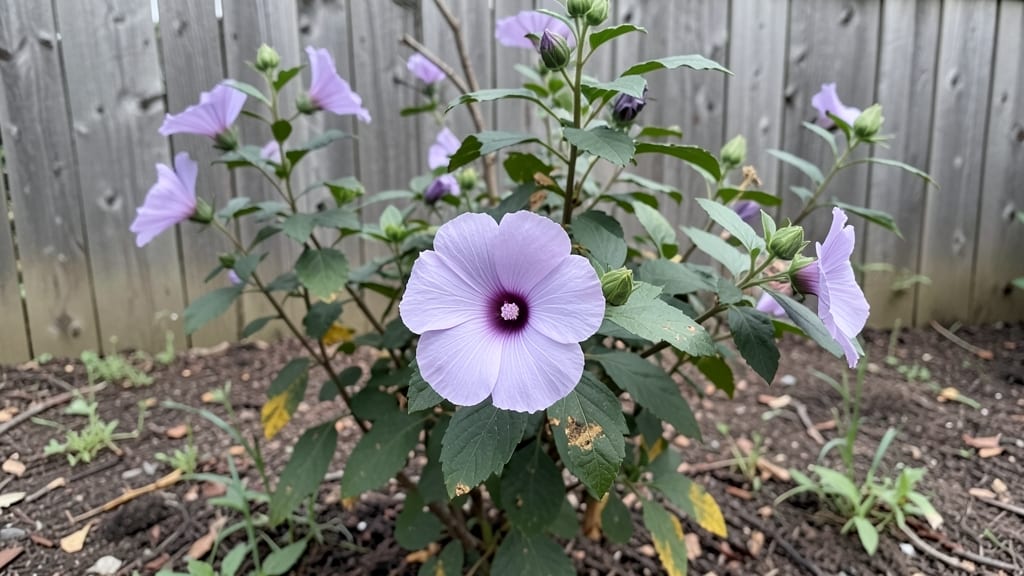
Growing a light purple hibiscus flower 🌸 means bringing a splash of tropical elegance to your garden—one that blooms reliably if you nail the care basics.
Picture this: a year-round display of velvety petals, even when your neighbors’ hibiscus have gone dormant. The secret? Pruning at the right times and tweaking a few care habits most growers miss.
In USDA Zone 6a, where frost lingers until April, timing is everything. Plant yours in April or May after the last frost, then feed them balanced fertilizer every 4-6 weeks to keep those blooms coming.
Below, I’ll show you exactly how to prune for nonstop flowers, when to water (and when to hold back), and the one trick that keeps my hibiscus blooming well into fall.
 Best Window Placement
How to prune light purple hibiscus for nonstop blooms
Pruning your light purple hibiscus isn’t just about shaping—it’s the secret to triggering year-round blooms. This tropical beauty responds dramatically to the right cuts, but timing and technique matter.
Whether you’re growing hardy hibiscus in Zone 6 or tropical varieties in pots, these steps will transform your plant into a nonstop flowering machine. The key? Prune at the right time and use the right methods to encourage bushier growth without stressing the plant.
Before you grab your pruning shears, know that hibiscus plants have two main pruning seasons: late winter/early spring and mid-summer. Each serves a different purpose—spring pruning sets the stage for the growing season, while summer pruning keeps your plant blooming continuously.
For light purple hibiscus varieties like ‘Lavender Lady’ or ‘Blue Chiffon,’ these techniques will maximize those stunning blooms while maintaining a healthy structure.
Step-by-Step Pruning Guide for Light Purple Hibiscus
-
Step 1: Prune in Late Winter/Early Spring
Cut back 1/3 of the plant’s height to encourage new growth and bushier shape. Remove any dead or diseased branches first. This is the best time to reshape your hibiscus for the season ahead. -
Step 2: Use Clean, Sharp Pruning Shears
Always use sterilized tools to prevent bacterial infections. Cut at a 45-degree angle just above a leaf node or bud to promote faster healing and new growth. -
Step 3: Deadhead Spent Blooms in Summer
After each light purple hibiscus flower fades, snip the stem just below the bloom. This redirects energy to producing more flowers instead of seeds. Do this every 2-3 days during peak blooming season. -
Step 4: Light Summer Pruning for Bushiness
In mid-summer, trim back any overly long or leggy stems by 1/2 their length. This encourages lateral branching, leading to a fuller, more compact plant with continuous blooms. -
Step 5: Avoid Over-Pruning in Fall
If you’re in a cooler climate, minimize pruning in fall. Only remove dead or damaged growth—save major cuts for spring. For tropical hibiscus, you can lightly prune to maintain shape but avoid heavy cuts. -
Step 6: Fertilize After Pruning
Within 24 hours of pruning, apply a balanced fertilizer (10-10-10) to support new growth. This helps your hibiscus recover faster and bloom more vigorously in the next cycle.
One common mistake is pruning at the wrong time, which can stunt blooming. For example, cutting back too late in the season may delay spring flowers.
Another pitfall is removing too many stems at once, which can shock your plant. Light purple hibiscus varieties are forgiving, but balance is key—aim to remove no more than 1/3 of the plant in any single session.
If your hibiscus is young (under 2 years old), hold off on heavy pruning until it’s established.
For hardy hibiscus varieties that survive winter, focus on spring pruning to remove any frost-damaged branches. These plants can handle a bit more aggressive pruning since they’re used to seasonal dieback.
In contrast, tropical hibiscus in pots may need more frequent deadheading and lighter summer pruning to prevent legginess. Always adjust your approach based on your specific variety and climate.
Pro tip: If your light purple hibiscus isn’t blooming as much as you’d like, check your pruning habits. Over-fertilizing with high-nitrogen feeds can lead to leafy growth at the expense of flowers.
Switch to a phosphorus-rich fertilizer (like 5-10-10) during blooming season to encourage more flowers. Pair this with regular deadheading, and you’ll see a noticeable difference in continuous blooms.
Don’t forget to sterilize your pruning tools between cuts, especially if your hibiscus shows signs of leaf spot or powdery mildew. A quick wipe with rubbing alcohol or a bleach solution (1 part bleach to 9 parts water) keeps infections at bay.
Healthy cuts mean healthier plants—and more of those stunning light purple hibiscus flowers.
With these techniques, your hibiscus plant will thrive, producing vibrant blooms from spring through fall—and sometimes even into winter with proper care. The secret lies in understanding your plant’s natural growth cycle and working with it, not against it. Happy pruning!
Light purple hibiscus flower care: soil, sunlight, and fertilizer secrets
Your light purple hibiscus thrives when you nail three key elements: well-draining soil, optimal sunlight, and a smart fertilizer schedule. These tropical beauties reward precise care with vibrant blooms that last all season. Let’s break down exactly what your hibiscus needs to shine.
For soil, hibiscus roots crave airy, slightly acidic mixes that prevent root rot. A blend of 60% garden soil, 30% compost, and 10% perlite works wonders.
Avoid heavy clay—it smothers roots and triggers yellowing leaves. If your soil drains poorly, amend it with sand or coconut coir.
| Care Factor | Requirement | Specification |
|---|---|---|
| Soil Type | Drainage | Well-draining, slightly acidic (pH 6.1–6.5) |
| Sunlight | Daily Exposure | 6–8 hours full sun (morning light ideal) |
| Fertilizer | Type | Balanced (10-10-10) or organic (fish emulsion) |
| Watering | Frequency | Deep soak every 2–3 days (drought stress = fewer blooms) |
| Common Issue | Yellow Leaves | Overwatering or poor drainage (fix with perlite) |
When it comes to sunlight, full sun (6–8 hours daily) is non-negotiable for light purple hibiscus. Place your plant where it gets morning sun and afternoon shade in hot climates—this prevents leaf scorch.
If indoors, a south-facing window or grow lights (12+ hours) will keep blooms coming. Skimp on light, and you’ll see sparse flowering and leggy stems.
For fertilizer, I swear by a balanced 10-10-10 formula or organic options like fish emulsion. Feed every 4–6 weeks during spring and summer, but stop in fall to let your hibiscus rest.
Over-fertilizing causes burned roots and fewer blooms. Pro tip: Mix fertilizer into the top inch of soil to avoid root damage.
Watch for yellowing leaves—this usually means overwatering or nutrient deficiency. Adjust your care by letting the top inch of soil dry between waterings. For sparse flowering, prune back 1/3 of the plant in spring and feed lightly to encourage new growth.
With these tweaks, your hibiscus will reward you with continuous light purple blooms all season.
Remember, hibiscus are tropical divas—they demand attention but repay it with show-stopping color. Stick to these soil, sun, and fertilizer secrets, and you’ll enjoy year-round blooms that turn heads. Happy gardening! 🌸