
Flowers
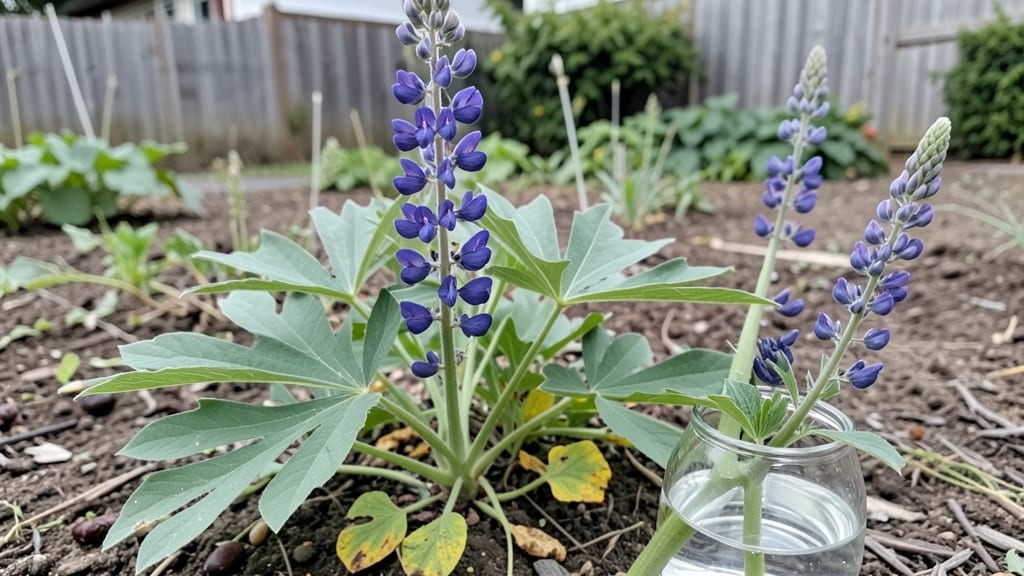
Cutting lupine flowers at the right stage turns their bold spikes into bouquets that last for weeks instead of days.
Lupines burst into vibrant color with their striking spikes, making them a showstopper in any bouquet—but harvesting them at the right time ensures your cut flowers stay fresh for weeks instead of wilting in days.
If you’ve ever snipped lupines too early or too late and watched them droop by afternoon, you know how critical timing is. The secret lies in catching those buds just as they begin to open, when stems are firm and the color is deepest.
In this guide, I’ll walk you through the exact moment to harvest, how to prep stems for maximum vase life, and the simple tricks that keep your lupine arrangements looking fresh for over a week—no special tools required.
Best time to harvest lupine flowers for maximum longevity in bouquets
Harvesting lupine flowers at the perfect moment transforms your bouquets from short-lived to long-lasting centerpieces. Unlike many flowers that wilt within days, properly timed lupine cuttings can grace your home for 10-14 days—or even longer with the right care.
The key lies in understanding when the buds are primed for cutting and how seasonal timing affects their freshness.
Lupines thrive in cool spring weather, making late spring to early summer the ideal harvest window in most regions.
However, regional climate variations mean gardeners in USDA Zone 6a (like much of the Midwest) should aim for May to June, while those in warmer zones like Zone 8 may extend harvesting into July.
Early morning harvests yield the freshest stems, as dew helps maintain hydration and structural integrity.
Harvest lupine flowers when 10-20% of buds are just beginning to open. This ensures the majority remain closed, maximizing vase life by preventing rapid water loss from fully bloomed flowers.
Look for vibrant, fully developed bud colors (e.g., deep purple, blue, or white). Pale or underdeveloped buds won’t open properly in arrangements and may wilt quickly.
Gently squeeze the stem—it should feel firm and sturdy. Soft or bendy stems indicate the plant is stressed or overripe, leading to poor vase performance.
Cool climates (Zones 3-6): Harvest from late May to early June.
Warm climates (Zones 7-9): Extend harvest to June-July but avoid peak summer heat, which can stress plants.
Always harvest in the early morning (before 8 AM) when stems are fully hydrated. Avoid harvesting after noon, as heat causes buds to open too quickly, reducing vase life.
Cut stems to 18-24 inches for bouquets. Longer stems (up to 30 inches) work for tall arrangements but require heavier floral foam to support their weight.
If you miss the ideal harvest window, don’t despair—late-season lupines can still be cut, but their vase life may shorten to 5-7 days. To revive them, trim stems under water, remove lower leaves, and place in lukewarm water with flower food.
For best results, though, stick to the early bloom stage and harvest in cool weather.
Pro tip: Label your lupine varieties if growing multiple types, as colors like silver, yellow, or pink lupines may have slightly different harvest windows. For example, ‘Chief Joseph’ (blue) often blooms 1-2 weeks earlier than ‘The Queen’ (white). This ensures a staggered harvest and continuous bouquet supply.
Regional microclimates also play a role. Gardeners in Pacific Northwest regions may harvest as early as mid-April due to cooler temperatures, while those in Southern California might extend harvesting into August with proper irrigation.
Always monitor your plants for signs of heat stress (drooping leaves or buds) and adjust harvest timing accordingly.
One common mistake is harvesting fully open lupine flowers, which drain water quickly and wilt faster. The buds at the base of the spike are the most valuable—they’ll open gradually in your vase, creating a dynamic, long-lasting display.
Save the fully bloomed flowers for immediate use in arrangements or drying.
For extended vase life, pair your lupine harvest with companion flowers like delphiniums or snapdragons, which share similar care needs. Avoid mixing with high-ethylene producers like carnations, which accelerate wilting.
Store harvested lupines in a cool, dark place (like a fridge) for up to 24 hours before arranging if you can’t process them immediately.
With the right timing, your lupine cut flowers will reward you with weeks of vibrant beauty—far outlasting the typical 3-5 day lifespan of poorly timed harvests. The effort pays off in stunning, long-lasting bouquets that bring your garden’s natural elegance indoors. 🌸
Step-by-step guide to cutting lupine stems for long-lasting arrangements
Harvesting lupine cut flowers at the perfect moment transforms your garden into a floral treasure trove. The key lies in timing and technique—cut too early, and they wilt fast; too late, and their beauty fades.
I’ve learned that early morning is ideal, when stems are hydrated and buds are just beginning to unfurl. This ensures your lupine arrangements stay vibrant for 10-14 days or longer with proper care.
Before you grab your pruning shears, prep your workspace with clean containers and fresh water. Lupines have thick, woody stems that need proper cuts to absorb water efficiently.
Skipping these steps can shorten vase life dramatically. Let’s dive into the exact method I use to keep my lupine bouquets fresh for weeks—starting with the cutting process itself.
How to Cut Lupine Stems for Maximum Freshness
- 1 Choose the right buds: Select stems with 1-3 buds that are just starting to open (lower buds may be fully bloomed, while upper buds remain closed). Avoid overripe flowers—they’ll drop petals fast.
- 2 Use sharp shears: Snap or cut stems at a 45-degree angle about 2 inches below the first bloom. This increases water absorption surface area. Dull tools crush stems, blocking water flow.
- 3 Strip foliage: Remove lower leaves that would sit underwater, which promotes bacterial growth. Leave 2-3 leaves at the top to support photosynthesis during transport.
- 4 Hydrate immediately: Place stems in lukewarm water with a commercial flower food packet or DIY mix (1 tsp sugar + 2 drops bleach per quart). Change water every 2 days to prevent clogging.
- 5 Recut stems: Trim 1/2 inch off the bottom of stems before arranging. This reopens blocked vessels, letting them drink up fresh water. Do this daily for the first 3 days.
Once your lupine stems are cut and hydrated, store them in a cool, dark place (like a refrigerator) overnight if you’re not arranging them immediately. Cold temps slow respiration, keeping flowers fresher longer. I’ve had lupine bouquets last 21 days this way—far beyond the typical 7-day lifespan!
For long-lasting arrangements, pair lupines with companion flowers like delphiniums or snapdragons, which share similar care needs. Avoid heavy-headed flowers like roses, which can weigh down lupine spikes. Use a clear vase to monitor water levels and add fresh cuts every 48 hours.
Pro tip: Add a dash of lemon juice (1 tsp per gallon) to your vase water to acidify it slightly—this mimics natural soil conditions and helps lupines absorb nutrients better. Your cut lupine flowers will thank you with vibrant color and tight petals for days to come.