
Propagation
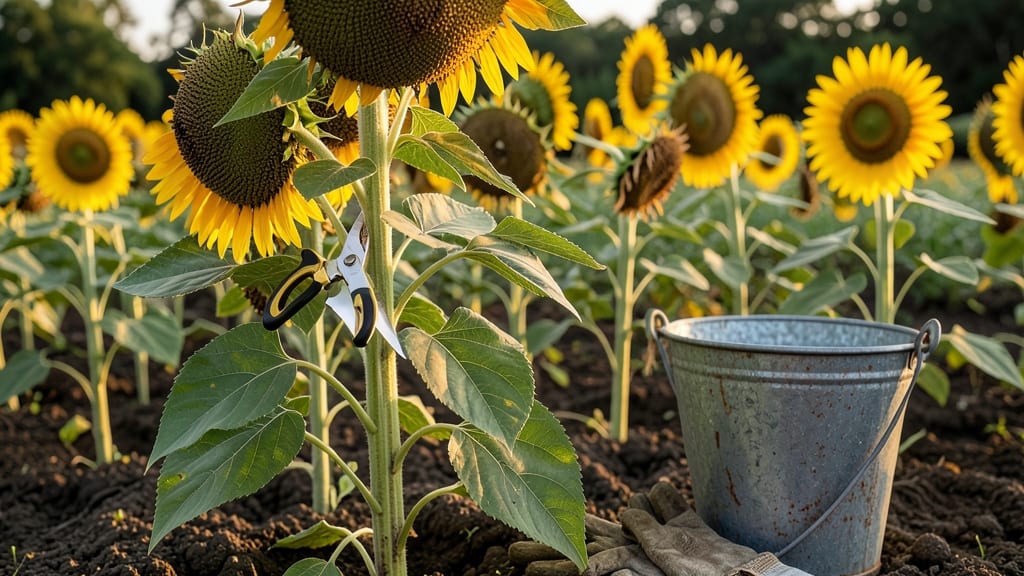
To cut sunflower heads at the best time for seed saving or plant revival, wait until the petals wilt and turn brown but before the seeds scatter — usually late summer to early fall in most growing zones.
Sunflowers don’t just brighten your garden—they’re powerhouses for seed saving and plant revival, but timing is everything. Cut too early, and you’ll lose viable seeds; wait too long, and you might miss the perfect moment for regrowth.
Look for these key signs: the back of the flower head turns yellow, seeds feel plump but not yet fully brown, and the stem snaps easily when bent. These clues tell you the moment is right to harvest for seeds or prune for a second bloom.
Below, I’ll walk you through the exact steps for cutting sunflower heads—whether you’re saving seeds, creating dried arrangements, or encouraging your plants to grow again.
Optimal timing for cutting sunflower heads for seed saving
Knowing when to cut sunflower heads for seed saving is crucial for preserving viable seeds and encouraging plant regrowth. The ideal time falls between late summer and early fall, when the flower heads show clear maturity signs.
Cutting too soon results in underdeveloped seeds, while waiting too long risks seed loss or frost damage. Here’s how to identify the perfect moment for harvesting.
Sunflowers typically reach seed maturity 60 to 120 days after planting, depending on the variety. Hardy varieties like 'Mammoth' or 'Russian Giant' take longer to mature, while softer varieties such as 'Teddy Bear' or 'Autumn Beauty' may be ready sooner.
Always check the back of your seed packet for specific days-to-maturity estimates to plan your harvest accordingly.
🌻 Sunflower Head Maturity Guide
| Maturity Stage | Visual Cues | Seed Color | Best Time to Cut |
|---|---|---|---|
| Early Bloom | Petals fully open, bright yellow | Green seeds | Not ready |
| Peak Maturity | Petals wilted, back turns yellow | Plump, firm, brown seeds | Ideal harvest time |
| Overripe | Petals fallen, head dry | Seeds black or falling out | Too late; seeds may not germinate |
The most reliable way to test seed readiness is the firmness test. Gently squeeze a seed between your fingers—it should feel plump and firm but not brittle. If the seed crushes easily, it’s not ready yet.
For a more precise check, cut open a sunflower head and examine the seeds. They should be fully brown and dry on the outside with a white or gray center.
Seasonal timing plays a critical role. In most USDA Zones 6-9, aim to harvest sunflower heads between late August and early October. If frost threatens before seeds mature, cut the heads and hang them upside down in a dry, well-ventilated area to finish drying indoors.
This method preserves seeds while protecting them from early frost damage.
For hardy sunflower varieties, such as 'ProCut' or 'Autumn Beauty,' you can often leave the heads on the plant until late fall. These varieties are more resistant to frost and may continue producing seeds even as temperatures drop.
However, softer varieties like 'Teddy Bear' or 'Moulin Rouge' require earlier harvesting to avoid seed loss.
Always use clean, sharp pruners or shears to cut sunflower heads. Make a clean cut about 6 inches below the head to allow for easy hanging and drying. Avoid using dull tools, as they can crush seeds or damage the stem, making it harder for the head to dry properly.
After cutting, place the sunflower heads in a dry, dark, and well-ventilated space for 2-4 weeks to fully dry. This step is essential for preventing mold and ensuring seed viability. Once completely dry, gently rub the heads over a fine-mesh bag or screen to separate the seeds from the chaff.
If you’re saving seeds for next year’s garden, store them in a cool, dry place in an airtight container. Properly stored sunflower seeds can remain viable for up to 5 years, though germination rates may decline over time.
Label your containers with the variety name and harvest date to keep track of your seed collection.
Timing your harvest correctly ensures you’ll have high-quality seeds for future planting while also giving your sunflower plants a chance to regrow for additional blooms. With these tips, you’ll master the art of seed saving and enjoy a thriving garden year after year. 🌾
How to revive sunflower plants after head removal for regrowth
Cutting sunflower heads doesn’t have to mean the end of your plant’s life cycle. With the right technique, you can encourage secondary blooms and extend your sunflower’s productivity. The key lies in timing and pruning correctly to stimulate regrowth while preserving the plant’s energy reserves.
Sunflowers are surprisingly resilient. When you remove the main flower head, the plant often responds by producing smaller side shoots or even a new central bloom. This works best with healthy, mature plants that have at least 6-8 weeks of growth remaining in the season.
Younger plants may not have enough energy to recover effectively.
- 1 Wait until the flower head is fully open but before seeds fully mature. Look for dry, brown petals and a yellowing back of the head. This ensures the plant has completed its primary growth cycle.
- 2 Use clean, sharp pruners to cut the head 1-2 inches above the next set of leaves. Avoid tearing the stem, which can introduce disease. Sterilize your tools with rubbing alcohol between cuts.
- 3 Remove only the main head, leaving the lower leaves intact. These provide energy for regrowth. If the plant is taller than 5 feet, consider staking it to prevent toppling after the weight of the head is removed.
- 4 Fertilize lightly with a balanced 10-10-10 fertilizer 3-5 days after cutting. Focus on the root zone to encourage new growth. Avoid nitrogen-heavy fertilizers, which promote leafy growth over flowers.
- 5 Monitor for new shoots within 2-4 weeks. Look for small buds forming at the base of the stem or along the sides. These may develop into secondary blooms or leafy growth.
After pruning, maintain consistent watering and sunlight exposure. Sunflowers need 6-8 hours of full sun daily to thrive, and their roots should stay evenly moist but not waterlogged. Reduce watering slightly if your region experiences hot, dry spells to prevent stress.
Signs of successful regrowth include new leaf growth at the stem’s base and the appearance of small buds within 3-4 weeks. If your sunflower produces a second bloom, it will typically be smaller than the first but equally vibrant.
This second head may not yield seeds, but it adds beauty to your garden.
For maximum regrowth potential, avoid cutting sunflower heads in late summer or early fall when frost is approaching. Cold temperatures slow metabolism, making it harder for the plant to recover. Instead, time your cuts for mid-to-late summer when warm days and long sunlight hours support new growth.