
Pruning
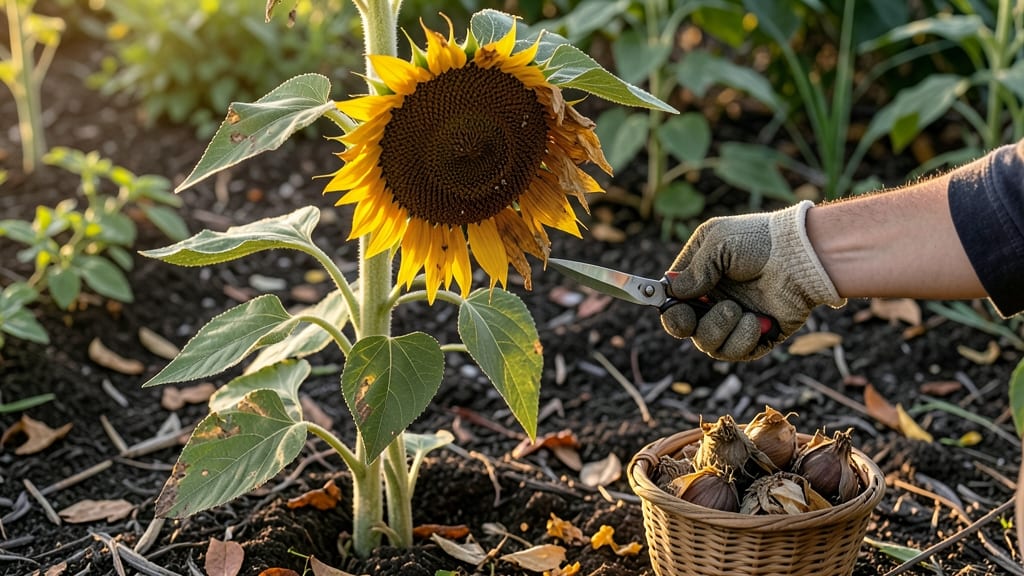
Cutting your sunflower heads off at the right time ensures you save seeds for next year and keep your garden looking tidy—here’s the best window to do it.
Sunflowers bring joy to any garden, but knowing when to harvest their heads can mean the difference between saving seeds for next year and losing them to birds or rot. Too early, and you risk mold or poor germination; too late, and the seeds scatter or get eaten.
For seed saving, wait until the back of the head turns yellow-brown and the petals wilt completely—usually July to September in most regions. If you’re pruning for aesthetics, cut after the blooms fade to avoid attracting pests like squirrels.
Below, I’ll walk you through how to check for readiness, what to do with the cut heads, and how climate affects timing—so you never miss the perfect harvest window again.
The perfect time to cut sunflower heads for seed saving
Saving sunflower seeds from your garden is rewarding, but timing is everything. The perfect moment to cut sunflower heads occurs when the flower petals wilt and turn brown, but before seeds scatter. This window ensures you collect mature seeds while preventing waste or mold.
From my experience, missing this narrow phase can mean losing seeds to birds or rain—so let's dive into the exact cues you need to watch for.
Most gardeners wait until the back of the flower head turns yellow-brown and the seed head feels dry to the touch. This usually happens 8-10 weeks after flowering, depending on your climate.
In my USDA Zone 6a garden, I've found that late summer—around August to early September—is ideal for harvesting. However, regional differences matter, so always check your local frost dates to avoid cutting too late.
One common mistake I see is cutting sunflower heads too early, when the seed head is still green. This results in seeds that won't germinate properly. To avoid this, always squeeze the seed head gently—if it feels soft or moist, it's not ready.
Another trick is to shake the head over a brown paper bag. If seeds don't rattle, they're not mature enough. This simple test has saved me from wasting hours on underripe seeds.
Regional climates play a huge role in timing. In warmer zones (7-10), sunflowers mature faster, so you might harvest as early as July. Meanwhile, in cooler zones (3-5), the process slows down, and you may need to wait until September or October.
Always keep an eye on the weather forecast—a sudden rainstorm can cause premature seed drop, so act quickly when you spot those yellow-brown backs.
After cutting, let the heads dry indoors for 1-2 weeks in a well-ventilated area. I hang mine upside down from a string in my garage, which prevents mold and makes it easy to shake out seeds later.
Once fully dry, rub the seeds between your fingers to remove chaff, then store them in a paper envelope in a cool, dark place. Proper drying is key—moisture leads to moldy seeds, which won't sprout.
If you're unsure whether your sunflower heads are ready, look for these three key signs: brown petals, a yellow-brown back, and seeds that rattle. These signals mean your seeds are at peak maturity.
Missing even one of these can mean the difference between a successful seed harvest and a wasted effort. Trust me, I've learned this the hard way after losing seeds to birds in past seasons!
For those in container gardens or small spaces, dwarf sunflower varieties like 'Teddy Bear' mature faster and are easier to manage. These varieties often reach harvest readiness 2-3 weeks earlier than standard types, giving you a head start on seed saving.
No matter the variety, always prioritize dry, mature heads—they're the gateway to next year's garden.
Finally, remember that patience is your friend when harvesting sunflower seeds. Rushing the process can lead to poor germination rates, while waiting too long risks seed loss.
By mastering these timing cues, you'll not only save seeds successfully but also enjoy the satisfaction of growing sunflowers from your own harvest year after year. Happy gardening!
How to tell when sunflower heads are ready for harvesting
Harvesting sunflower heads at the right time ensures you save high-quality seeds for next year's garden. The key is watching for specific visual and tactile cues that signal maturity. Overlooking these signs can lead to seeds that won't germinate or attract pests like birds and squirrels before you're ready.
Timing matters because sunflower seeds need to fully mature but shouldn't stay on the plant too long. Ideal conditions include dry weather and warm temperatures, which help seeds dry properly. Humidity can cause mold, while premature cutting means seeds won't be viable for planting.
-
1. Petals Turn Brown and Wilt
Look for brown edges on yellow petals. Fully wilted petals indicate the seed head is ready.
-
2. Seed Head Feels Dry and Firm
Gently squeeze the back of the head. It should feel hard and papery, not soft or green.
-
3. Back Turns Yellow-Brown
The green base of the head should turn yellow-brown, signaling seed maturity.
-
4. Seeds Rattle When Shaken
Hold the head upside down near your ear. If seeds rattle loudly, they're ready for harvest.
-
5. Cracks Appear on the Head
Small cracks or splits mean seeds are drying and will scatter soon—harvest before this happens.
Environmental factors play a crucial role in determining the perfect harvest time. Dry, warm days (above 70°F) are ideal because they allow seeds to dry evenly. High humidity can lead to moldy seeds, while cool temperatures slow the drying process.
If you're in a humid climate, harvest slightly earlier when the head is still firm but showing the first signs of drying. In drier regions, you can wait until the head is fully browned. Morning harvests are best because dew has dried, reducing moisture on the seeds.
Once you've cut the head, hang it upside down in a dry, well-ventilated spot for 1-2 weeks to finish drying. This step is critical for seed viability. Store dried seeds in a cool, dark place in an airtight container to preserve them for planting next season.