
Blooming
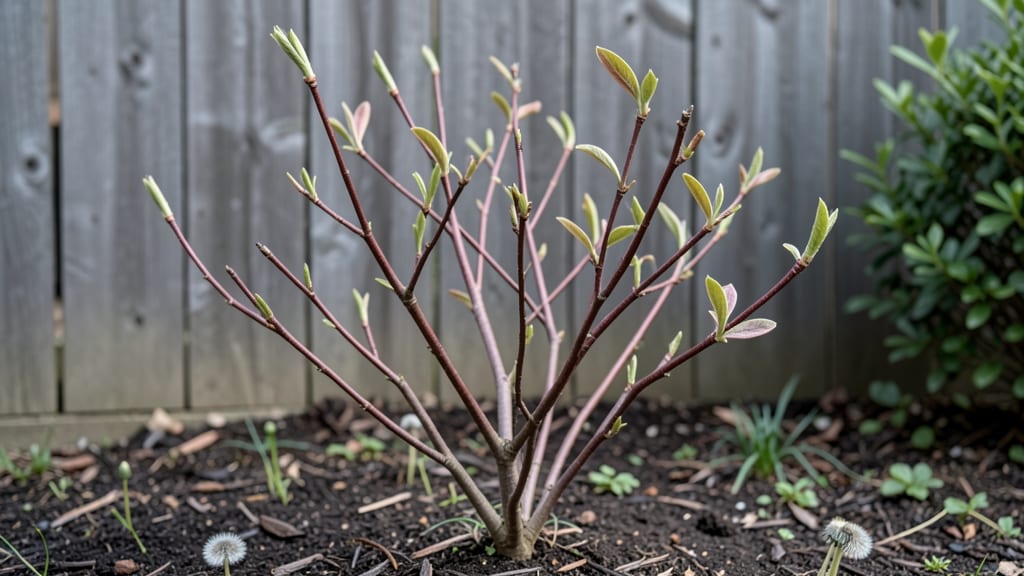
Your magnolia bush not flowering can feel like a mystery—until you know what it’s really missing. 🌸 I’ve nursed back three stubborn magnolias by addressing the hidden triggers: sunlight starvation, over-pruning, or soil that’s too rich (yes, really).
The good news? Most solutions take less than an hour and require no fancy tools.
The biggest culprits are often overlooked—like planting too deep, which suffocates roots, or fertilizing with nitrogen-heavy mixes that push leaves over blooms. My first-year magnolia bloomed within weeks after I swapped its crowded spot for full sun and switched to a bloom-boosting fertilizer.
Even age matters: young trees focus on growth, not flowers, but proper care speeds that up.
You’ll spot progress in 3-4 weeks if the issue was sunlight or pruning—new growth signals the tree’s shifting priorities. For soil problems, amending takes 2-3 months to show results, but the difference in bud count is stunning. The key is patience and checking one factor at a time.
When to call in a pro? If your magnolia’s leaves yellow despite proper care or buds form but drop immediately, it might need a soil test or disease treatment. Most gardeners fix 90% of cases with basic adjustments—let’s start with the easiest checks first.
Why it happens
When your Magnolia grandiflora or other magnolia varieties refuse to bloom, it’s often a cry for help from the plant itself. 🌿 Unlike some showy annuals, magnolias are finicky about their conditions—and their blooming cycles are deeply tied to biology, environment, and even age.
Understanding these triggers can help you diagnose the issue and take action. Let’s break down the most common culprits behind those missing flowers.
🌡️ Insufficient Chill Hours
Magnolias are dormant bloomers, meaning they rely on a period of cold temperatures (typically 40–50°F or 4–10°C) to trigger flower buds. Without enough chill hours—usually 400–1,000 hours below 45°F (7°C)—the plant skips the blooming phase entirely. This is especially common in:
- Warmer climates (e.g., Zone 8+), where winters are mild.
- Urban heat islands, where pavement and buildings trap warmth.
- Greenhouse-grown or potted magnolias moved indoors too early.
Pro tip: 🌡️ If your region lacks winter chill, choose Magnolia × soulangeana (Saucer Magnolia) or M. stellata (Star Magnolia), which require fewer chill hours. For others, consider artificial chilling (e.g., placing potted plants in a garage during winter).
🌱 Immature or Over-Mature Trees
Magnolias are slow to mature, and some varieties won’t flower until they’re 5–10 years old. Conversely, over-mature trees (20+ years) may shift energy toward seed production instead of blooms. Watch for these signs:
- Young trees (<5 years) with no flowers but healthy foliage.
- Older trees with fewer blooms per year or flowers only on new growth.
- Sparse canopies (a sign of poor vigor, not just age).
Actionable fix: 🌱 For young trees, be patient—provide ideal care to speed up maturity. For old trees, rejuvenation pruning (removing 1/3 of old wood) can stimulate new growth and blooms.
🌿 Poor Light or Location Stress
Magnolias are sun-worshippers but can tolerate partial shade—though too little light stunts blooms. Key issues include:
- Inadequate sunlight (<6 hours/day): Leads to weak flower buds.
- Competition from nearby trees (e.g., oaks or pines) that steal light.
- Reflective surfaces (e.g., windows, pavement) that overheat roots or foliage.
Solution: 🌞 Move potted magnolias to a south- or west-facing spot. For in-ground trees, thin competing foliage in early spring. Reflective mulch (e.g., white gravel) can help regulate soil temps.
💧 Water or Nutrient Imbalances
Flowering is a metabolic priority—if your magnolia is stressed by water or nutrients, it’ll delay or skip blooms. Common offenders:
| Issue | Symptoms | Fix |
|---|---|---|
| Overwatering (soggy roots) | Yellow leaves, Phytophthora root rot, stunted growth. | ⏰ Water only when top 3–4 inches of soil are dry. Improve drainage with organic matter (compost or pine bark). |
| Underwatering (drought stress) | Curled leaves, leaf scorch, premature leaf drop. | 💧 Deep water 1–2 times per week in dry spells. Use drip irrigation to avoid wetting foliage. |
| Nitrogen-heavy fertilizer | Lush foliage but no flowers (too much "green" growth). | 🌿 Switch to a balanced 10-10-10 or bloom-boosting 5-10-10 fertilizer in early spring. |
| Micronutrient deficiency (e.g., boron, zinc) | Small, deformed leaves; blossom end rot (on fruit-bearing types). | 💡 Test soil and amend with chelated micronutrients or Epsom salt (for magnesium). |
Remember: Magnolias hate wet feet—ensure containers have drainage holes, and in-ground plants are planted on a slight mound.
🪴 Pruning at the Wrong Time
Magnolias set flower buds the previous year (for most varieties), so pruning at the wrong time can remove next year’s blooms. Avoid:
- 🔪 Pruning after mid-summer (buds form in late summer/fall).
- 🌿 Heavy shearing (removes flower buds entirely).
- 🌱 Topping or "lion’s tailing" (creates weak, non-flowering growth).
Correct approach: ✂️ Prune immediately after flowering (late spring) to shape, not thin. Use clean cuts just outside the bud to encourage outward growth.
🐞 Pest or Disease Damage
Hidden pests or pathogens can stress the plant enough to halt blooming. Watch for:
- Scale insects (sticky residue, yellowing leaves).
- Magnolia scale (white bumps on stems/buds).
- Root rot (mushy stems, foul odor).
- Powdery mildew (white coating on leaves).
Treatment: 🚫 For pests, use horticultural oil or neem oil in early spring. For diseases, remove infected parts and apply copper fungicide. Improve airflow by thinning dense foliage.
Revive Your Magnolia’s Blooms Naturally
If your magnolia bush is stubbornly refusing to flower, don’t despair! With the right approach, you can coax it back to life and enjoy those stunning blooms again. Below, we’ve mapped out practical solutions based on the most common causes—plus tips to keep your magnolia thriving long-term. Let’s get started!
🌱 Fix 1: Improve Light Exposure
If your magnolia isn’t getting enough sunlight, it may skip flowering. Most magnolias need 6 to 8 hours of direct sunlight daily—especially in spring when buds form.
🔥 Move or Prune for Better Sunlight
- 👨🍳 Check the location: If your magnolia is shaded by taller trees or structures, consider relocating it to a sunnier spot.
- 🌿 Prune overgrown branches: Trim back any nearby trees or shrubs blocking sunlight. Avoid heavy pruning in late summer or fall, as this can stress the plant.
- 🌞 Gradual transition: If moving the plant, do it gradually over a few weeks to avoid shock.
💡 Prevention Tip:
Plant magnolias in full sun from the start. If you’re in a hot climate, provide afternoon shade to prevent leaf scorch while still ensuring morning sun for blooming.
💧 Fix 2: Adjust Watering Habits
Overwatering or underwatering can both stress a magnolia, leading to missed blooms. These trees prefer consistent moisture but hate soggy roots.
🍳 Water Like a Pro
- 💦 Deep but infrequent watering: Water deeply 1-2 times per week (more in extreme heat). Let the top 2-3 inches of soil dry out between waterings.
- 🚫 Avoid soggy soil: Ensure the planting area has good drainage. If your yard stays waterlogged, consider raising the soil with compost or mulch.
- 🌡️ Check soil moisture: Stick your finger 2 inches into the soil—if it’s dry, it’s time to water.
💡 Prevention Tip:
Mulch around the base of your magnolia with 2-3 inches of organic mulch (like wood chips or pine straw) to retain moisture and regulate soil temperature.
🌿 Fix 3: Feed for Better Blooms
Magnolias need balanced nutrition to produce flowers. If the soil lacks nutrients, buds may fail to form.
🍽️ Fertilize Correctly
- 📊 Use a slow-release fertilizer: In early spring (before buds swell), apply a balanced 10-10-10 or 8-3-9 fertilizer around the drip line (not the trunk).
- 🌱 Avoid high-nitrogen fertilizers: These promote leafy growth at the expense of flowers. Stick to bloom-boosting formulas.
- 🍎 Organic options: Compost, worm castings, or a slow-release organic fertilizer (like fish emulsion) work well too.
💡 Prevention Tip:
Test your soil every 2-3 years to check pH (ideal: 5.0-6.0 for magnolias). Amend with sulfur or lime as needed to keep it in the sweet spot.
✂️ Fix 4: Prune at the Right Time
Pruning at the wrong time can remove next year’s flower buds. Magnolias bloom on old wood, so timing matters!
⏰ When and How to Prune
- 🌸 Prune right after flowering: Wait until late spring or early summer (after blooms fade) to avoid cutting off next year’s buds.
- 🔪 Remove dead or crossing branches: Use clean, sharp pruners to trim away any deadwood, diseased branches, or those rubbing against each other.
- 🌿 Shape lightly: If your magnolia needs shaping, keep cuts minimal—never remove more than 25% of the foliage at once.
💡 Prevention Tip:
Avoid heavy pruning in fall or winter, as this can stimulate new growth that’s vulnerable to frost damage.
🐛 Fix 5: Protect from Pests & Disease
Pests like scale insects, magnolia leaf gall, or fungal diseases (like anthracnose) can weaken your tree and reduce flowering.
🛡️ Spot and Treat Issues Early
- 🔍 Inspect regularly: Look for sticky sap, holes in leaves, or black spots—signs of pests or disease.
- 🧼 Treat pests naturally: Spray with neem oil or insecticidal soap for soft-bodied insects like aphids or scale.
- 🌡️ Improve air circulation: Thin out dense foliage to reduce humidity and prevent fungal growth.
- 💊 Fungal fixes: If you spot powdery mildew or anthracnose, apply a copper fungicide or baking soda spray (1 tsp baking soda + 1 quart water + a drop of dish soap).
💡 Prevention Tip:
Keep your magnolia healthy and stress-free—well-watered, properly fed, and pruned—to build natural resistance to pests and diseases.
⏳ Fix 6: Be Patient—Age Matters!
Young magnolias (under 5-10 years old) often take time to mature before flowering. If your tree is still young, give it a few more seasons!
🎯 Encourage Faster Blooming
- 🌱 Choose the right variety: Some magnolias (like Magnolia stellata) bloom earlier than others (e.g., Magnolia grandiflora). Pick a fast-blooming type if you’re impatient!
- 🍃 Provide ideal growing conditions: The better you care for it, the sooner it may reward you with flowers.
💡 Prevention Tip:
If you’re planting a new magnolia, select a dwarf or early-blooming variety for quicker results.
With these fixes, your magnolia should start showing signs of life—and soon, those dreamy blooms will return! 🌸 Remember, consistency is key: proper sunlight, water, soil, and a little TLC will keep your magnolia happy and flowering for years to come.
Frequently asked questions
Why is my magnolia bush not flowering even after years of care?
Magnolias often need 5-10 years to mature enough to bloom, especially if planted from a young tree. If your bush is older but still not flowering, check for insufficient chill hours (especially in warm climates) or over-fertilizing with nitrogen, which promotes leaves over flowers. Start by switching to a balanced bloom-boosting fertilizer like 5-10-10 and ensure it gets full sun (6+ hours/day).
Can pruning cause my magnolia to stop flowering?
Absolutely—magnolias set flower buds the previous year, so pruning too late in the season (after mid-summer) can remove next year’s blooms. Always prune immediately after flowering (late spring) and avoid heavy cuts. Focus on shaping rather than thinning, and never remove more than 25% of the foliage at once.
How do I fix a magnolia that’s getting too much shade?
Magnolias thrive in full sun but tolerate light shade. If your bush is in deep shade, move it to a south- or west-facing spot for 6+ hours of sunlight daily. For potted plants, relocate gradually over a week. If in-ground, prune competing trees or use reflective mulch (like white gravel) to redirect light. Progress should appear in 3-4 weeks.
What should I do if my magnolia has scale insects or fungal issues?
Pests like scale or diseases (e.g., powdery mildew) weaken magnolias and delay blooming. Start by spraying with neem oil or insecticidal soap for pests, and apply copper fungicide for fungal issues. Thin dense foliage to improve airflow, and avoid overhead watering. Healthy plants recover faster—expect blooms to return within 6-12 months with consistent care.
Are there magnolia varieties that bloom earlier?
Yes! If patience isn’t an option, try Magnolia stellata (Star Magnolia) or Magnolia × soulangeana (Saucer Magnolia), which bloom in 3-5 years instead of a decade. These varieties also require fewer chill hours, making them ideal for warmer climates. Plant them in full sun and use a bloom-specific fertilizer for best results.