
Vegetables
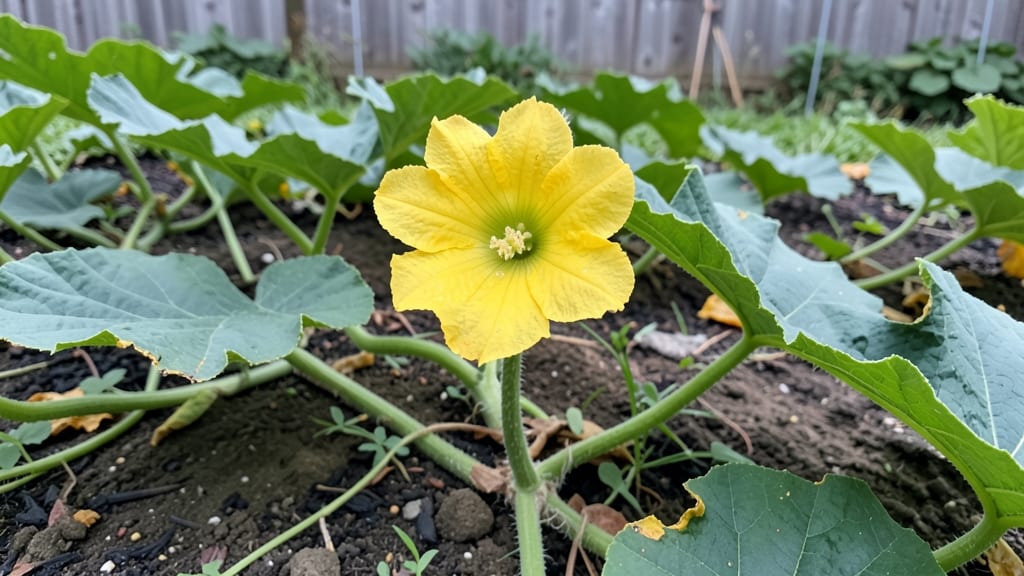
Male squash flowers are edible and packed with nutrients, featuring delicate petals and a mild, slightly sweet flavor. Harvest them early in the morning before bees pollinate, then use whole or separate the petals for cooking, frying, or stuffing. Never eat the central stem or leaves, as they can be bitter and tough.
These blossoms shine in dishes where their subtle sweetness can truly be savored—think tempura-fried petals with a sprinkle of sea salt or lightly sautéed in garlic butter for a luxurious garnish. 🌿 Beyond their taste, they’re a powerhouse of nutrients like vitamin C and antioxidants, making them a unique addition to any meal.
I love using them in risottos or soups where their delicate texture adds a refined touch without overpowering other flavors.
One pro tip: Harvest only the male flowers—they’re the ones with a single stem—since female flowers develop into squash later. This ensures you’re getting the best flavor and avoids any bitterness that might creep in if you accidentally pick the wrong type.
Always handle them gently to preserve their shape and freshness for cooking.
💡 In This Article
- Identifying and Harvesting Male Squash Blossoms
- Top Culinary Uses for Squash Flower Petals
Identifying and harvesting male squash blossoms
Here's what's actually happening in your garden when those delicate blossoms appear: male squash flowers have a distinctive single stem that ends in a flower, while female flowers develop a small bulbous base (the future squash) beneath the blossom.
This visual difference is your first clue—male flowers are the ones you want for eating. The key factor is timing: these flowers bloom between 7:00 AM and 9:00 AM when temperatures are coolest, making them most tender and flavorful. 🌞
The science behind harvesting involves understanding pollination cycles. Male flowers open fully by 9:00 AM, but harvesting them before 8:00 AM ensures they haven't been pollinated by bees, which would make the petals tougher and less sweet.
Use clean, sharp kitchen shears or a knife to snip the stem just above the first leaf node—this prevents damage to the plant and maintains its health for future blooms. The petals should feel silky and unfurling, not crisp or wilted.
What most people don't realize is how delicate these flowers are—each petal has a paper-thin texture that collapses if handled roughly. To preserve their shape, gently separate the petals from the central stem (which is inedible) by pinching the base where they meet.
Place them immediately in a bowl of ice water to crisp them up for cooking. This step is crucial because once separated, the petals begin to oxidize rapidly, turning yellow within 30-60 minutes if left exposed.
Consider these key factors when choosing which flowers to harvest:
- Color: Petals should be a vibrant pale yellow with no brown spots or wilting at the edges
- Size: Aim for flowers that are 3-5 inches in diameter—smaller ones are underdeveloped, while larger ones may be past their prime
- Scent: A faint, sweet aroma indicates freshness—overripe flowers smell slightly musky
The central stem and leaves contain cucurbitacins, compounds that create bitterness and can cause stomach upset if consumed. These compounds increase as the plant matures, which is why harvesting young male flowers gives you the mildest flavor.
For best results, use your blossoms within 24 hours of harvesting—their texture degrades quickly, even when refrigerated. 💛
Pro tip: If you're harvesting multiple flowers, work quickly and keep them in the shade until you're ready to prepare them. The petals contain about 85% water, which evaporates rapidly in heat, causing them to lose their delicate structure.
For large batches, consider storing them in an airtight container with a damp paper towel to maintain moisture until you're ready to cook.