
Flowers
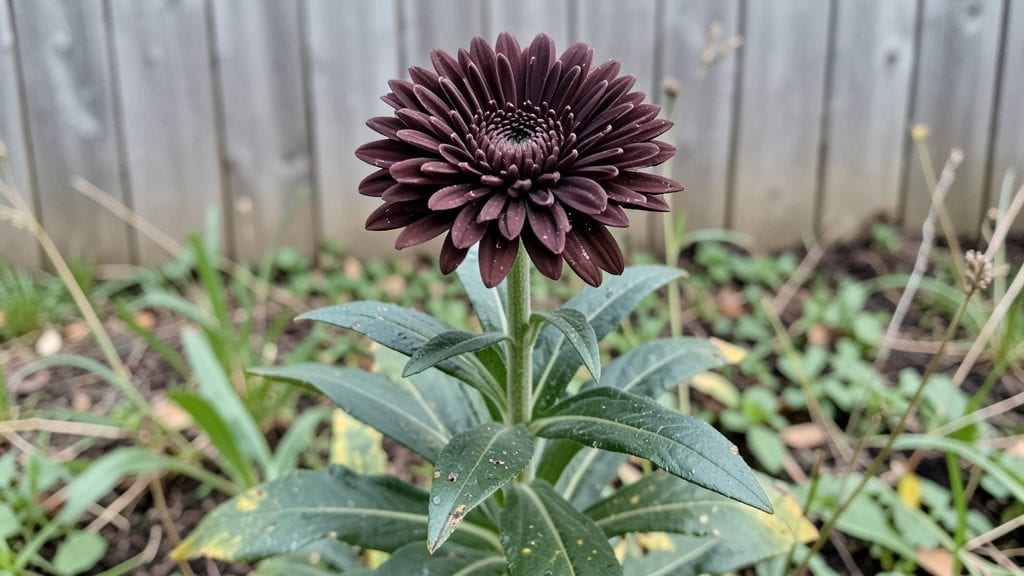
Those mums with brown flowers aren’t just autumn’s secret weapon—they’re the unsung hero of garden borders that feel cozy and timeless. 🌿 I’ve used deep bronze chrysanthemums to transform dull edges into warm, textured focal points, and the results never fail to impress.
These blooms pair effortlessly with gold, cream, or even burgundy, creating a rustic palette that works year-round, not just fall.
The magic lies in their versatility. Plant them in clusters along pathways where their rich tones contrast beautifully with green foliage, or tuck them into containers with trailing ivy for a cascading effect.
Varieties like 'Cocoa' chrysanthemums bring that mocha depth, while 'Mozart' dahlias add a velvety touch—both thrive in partial shade, making them perfect for tricky spots. Even after frost, their dried stems hold structure, adding winter interest.
You’ll end up with borders that feel intentional, not just seasonal. The contrast of brown against crisp whites or sunny yellows creates depth, while their hardy nature means less fuss than you’d expect.
These flowers don’t just survive the cold—they steal the show, long after other annuals have faded. Let’s make your garden’s edges the star.
Works for cottage-style gardens, modern minimalist plots, or even urban containers. The key is layering textures—try pairing them with ornamental grasses or evergreen shrubs for a look that’s effortlessly polished. Start small: a single row can transform a space instantly.
Why it happens
If your Chrysanthemum morifolium (commonly called mums) are turning brown instead of blooming in vibrant hues, don’t panic—there’s usually a logical explanation behind it. Brown flowers can signal stress, disease, or environmental factors, but identifying the root cause is the first step to reviving their beauty.
Below, we break down the most common reasons why your mums might be losing their color and turning brown, along with actionable insights to address each issue.
🌡️ Extreme Temperature Stress
Mums are hardy plants, but they thrive in moderate temperatures. When exposed to prolonged heatwaves (above 90°F or 32°C) or sudden freezes (below 20°F or -7°C), their petals can scorch, turn brown, or crisp at the edges.
This is especially true for fall-blooming varieties, which may struggle if summer heat lingers too long into their growing season.
- Signs: Brown, papery edges on petals; wilting despite moist soil.
- Why it happens: High temperatures increase transpiration (water loss), while cold snaps can cause cellular damage in petals. Mums also may bolt (send up flower stems prematurely) in heat stress, leading to early browning.
- Fix it:
- 🌿 Provide afternoon shade during peak summer months using shade cloth (30-50% coverage).
- 💦 Deep water at the base (1-2 inches per week) to keep roots cool. Avoid overhead watering, which can exacerbate fungal issues.
- 🌡️ Adjust planting timing: For fall blooms, start mums in early spring (not late summer) to avoid heat stress.
💧 Overwatering or Poor Drainage
While mums need consistent moisture, soggy soil is a fast track to brown, mushy petals and root rot. Poor drainage or overzealous watering can lead to anaerobic conditions (lack of oxygen in the soil), which suffocates roots and causes petals to brown as a stress response.
- Signs: Yellowing leaves, brown spots on petals, soil that stays damp for days, or stems that feel soft/mushy.
- Why it happens: Mums prefer well-draining soil with a pH of 6.0–7.0. Overwatering forces roots to drown, while poor drainage traps excess moisture, promoting fungal pathogens like Botrytis or Phytophthora, which attack petals.
- Fix it:
- 🏗️ Amend soil with compost or perlite to improve drainage. Avoid heavy clay soils.
- 💧 Water only when the top 1-2 inches of soil are dry. Use a moisture meter for accuracy.
- 🌱 Ensure pots have drainage holes if growing in containers.
🍄 Fungal Infections and Blight
Fungal diseases like leaf spot, powdery mildew, or gray mold (Botrytis) are common culprits behind brown, crinkled, or rotting petals. These pathogens thrive in humid, stagnant conditions and can spread rapidly if left unchecked.
- Signs:
- Brown, circular spots with halos on petals (leaf spot).
- White, powdery coating on leaves/petals (powdery mildew).
- Soft, grayish-brown mush on flowers (Botrytis).
- Why it happens: Fungi spores land on wet petals and germinate, especially in high humidity (above 75%) or after rain. Poor air circulation (e.g., crowded plants) or splashing water during irrigation can spread spores.
- Fix it:
- 🌬️ Improve airflow by spacing plants 12–18 inches apart and pruning nearby foliage.
- 🌧️ Water at the base in the morning to allow foliage to dry quickly.
- 💊 Apply fungicide preventatively (e.g., neem oil or copper-based sprays) if humidity is high.
- 🗑️ Remove infected blooms immediately and dispose of them in the trash (not compost).
☀️ Sunburn or Light Stress
While mums love sunlight, intense, direct rays (especially in hot climates) can cause sun scald, leading to brown, papery patches on petals. This is more common in light-colored or variegated varieties, which lack protective pigments.
- Signs: Brown, dry patches on petals facing the sun; leaves may also show bleached or crispy edges.
- Why it happens: Excessive UV radiation breaks down chlorophyll and damages cell membranes, causing oxidative stress. Young, tender petals are especially vulnerable.
- Fix it:
- 🏡 Provide afternoon shade (especially in zones 8–11) using lattice screens or shade cloth.
- 💧 Mulch heavily (2–3 inches) to keep roots cool and reduce evaporation.
- 🌱 Choose heat-tolerant varieties like ‘Dazzler’ or ‘Brightons’ if sunburn is recurrent.
🌱 Nutrient Deficiencies or Imbalances
Brown, stunted blooms can also signal nutritional deficiencies, particularly a lack of magnesium, calcium, or potassium. Over-fertilizing with nitrogen (common in lawn fertilizers) can also burn roots, leading to poor flower development and browning.
- Signs:
- Brown edges on older leaves (magnesium deficiency).
- Brown spots between leaf veins (calcium deficiency).
- Small, weak blooms with brown tips (potassium deficiency or over-fertilization).
- Why it happens:
- Magnesium deficiency (often from acidic soil) disrupts chlorophyll production, causing interveinal browning.
- Calcium deficiency weakens cell walls, leading to blossom end rot in petals.
- Potassium deficiency reduces the plant’s ability to regulate water and nutrients, causing stress.
- Over-fertilizing with high-nitrogen fertilizers promotes leafy growth over flowers, leading to weak,
How to solve it
If your mums (chrysanthemums) are sporting dull, brown flowers instead of their usual vibrant hues, don’t toss them just yet! With a little care, you can often revive them and keep future blooms bright and healthy.
Below, we’ve broken down the most common causes of brown flowers and the practical, step-by-step solutions to bring back their rustic charm.
###
🔥 Overwatering or Poor Drainage (2)
Too much moisture—especially in containers—can suffocate roots, leading to brown, mushy petals and even root rot. If your mums are in pots, check the soil moisture first.
- 👨🍳 Fix It:
- Let the top 1-2 inches of soil dry out between waterings. Stick your finger in the soil—if it’s damp, wait a day or two.
- Ensure pots have drainage holes. If not, repot into containers with holes or add a layer of pebbles at the bottom.
- Water at the base (not overhead) to avoid wetting the foliage, which can encourage fungal issues.
- 🌡️ Prevent It:
- Use well-draining potting mix with perlite or sand to improve aeration.
- Choose pots made of terracotta or fabric, which dry out faster than plastic.
- Group mums together in garden beds to create a microclimate that retains moisture more evenly.
###
☀️ Underwatering or Heat Stress
Brown, crispy edges on petals? Your mums might be thirsty—or struggling with intense heat and wind. Chrysanthemums are hardy but still need consistent moisture, especially in hot climates.
- 💦 Fix It:
- Water deeply and regularly, aiming for 1 inch of water per week (more in extreme heat).
- Mulch around the base with 2-3 inches of organic mulch (like straw or shredded bark) to lock in moisture.
- Provide afternoon shade during peak summer if possible, or use shade cloth.
- 🌱 Prevent It:
- Water early in the morning to reduce evaporation.
- Choose heat-tolerant mum varieties, like ‘Dynasity’ or ‘Medallion,’ which handle stress better.
- Group plants together to create a windbreak if your garden is exposed.
###
🍄 Fungal Diseases (Like Leaf Spot or Powdery Mildew)
Brown spots, yellowing leaves, or a white powdery coating? Fungal infections thrive in humid, stagnant conditions. Mums are prone to these issues, especially in crowded or poorly ventilated spaces.
- 🧼 Fix It:
- Prune affected leaves immediately with sterilized shears to prevent spread.
- Apply a fungicide (copper-based or neem oil) following package instructions. Reapply every 7-10 days if needed.
- Space plants 12-18 inches apart to improve airflow.
- 🛡️ Prevent It:
- Avoid overhead watering. Use a drip irrigation system or water at the base.
- Remove and dispose of infected plant debris (don’t compost it!).
- Choose disease-resistant varieties, such as ‘Bright Golden Anne’ or ‘Coca-Cola.’
###
❄️ Cold Damage or Frost
If your mums turn brown overnight or after a cold snap, frost may be the culprit. While mums are generally cold-hardy, sudden freezes can damage tender blooms.
- 🔥 Fix It:
- Trim back brown, damaged stems to encourage new growth.
- Fertilize lightly with a balanced 10-10-10 fertilizer to help recovery.
- ❄️ Prevent It:
- Plant mums in sheltered spots, like near a south-facing wall or under deciduous trees (which drop leaves in winter).
- Mulch heavily in fall (4-6 inches) to protect roots.
- In containers, move pots to a garage or insulated area before the first frost.
###
🌱 Nutrient Deficiencies (Iron or Magnesium)
Yellowing leaves with brown edges can signal a lack of essential nutrients. Mums are heavy feeders and need consistent nourishment to maintain vibrant blooms.
- 📊 Fix It:
- Test your soil with a home kit to confirm deficiencies.
- Apply a chelated iron supplement (for iron deficiency) or Epsom salt (for magnesium) following label rates.
- Fertilize with a slow-release granular fertilizer in spring and early summer.
- 💪 Prevent It:
- Amend soil with compost before planting to improve fertility.
- Feed mums every 4-6 weeks during the growing season.
- Use liquid fish emulsion for a quick nutrient boost if leaves look pale.
With these targeted fixes, your mums should bounce back with lush, colorful blooms in no time. Remember, prevention is key—consistent watering, proper spacing, and regular care will keep your garden borders bursting with rustic charm year after year! 🌸
Frequently asked questions
Why do my mums have brown flowers instead of their usual rich tones?
Brown flowers on mums often signal stress from environmental factors like extreme heat, cold snaps, or poor watering. Check soil moisture—overwatering causes root rot, while underwatering leads to crispy edges. Fungal infections or nutrient deficiencies (like magnesium or iron) can also cause browning. Adjust care based on the specific signs you're seeing.
Can I revive browned mums, or should I replace them?
You can often revive browned mums! Start by trimming damaged stems and adjusting watering habits. For fungal issues, apply neem oil or a copper-based fungicide. If the problem is heat stress, provide afternoon shade and mulch to protect roots. With proper care, many mums bounce back with fresh growth.
How do I prevent brown flowers on mums in future seasons?
Prevention starts with proper planting: choose well-draining soil and avoid heavy clay. Space plants 12-18 inches apart for airflow, and water at the base in the morning. Mulch heavily in fall to protect roots from frost, and fertilize every 4-6 weeks during growing season with a balanced formula.
Are there specific mum varieties that resist browning better?
Yes! Heat-tolerant varieties like 'Dynasity' or 'Medallion' handle stress better, while disease-resistant types such as 'Bright Golden Anne' or 'Coca-Cola' are less prone to fungal issues. For cold climates, consider ever-blooming mums which produce flowers throughout the season rather than just in fall.
Can I use browned mums in arrangements or dried flower crafts?
Browned mums can add interesting texture to arrangements, especially when combined with dried grasses or other autumnal elements. For dried flower crafts, harvest stems when flowers are just beginning to brown—they'll continue drying naturally. The rich tones create beautiful contrast against whites and golds.