
Blooming
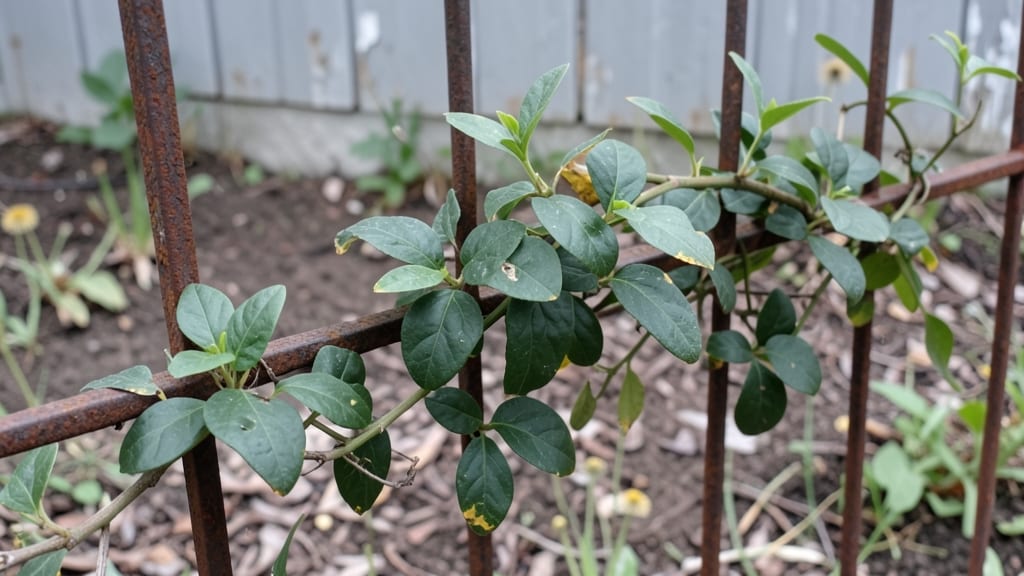
Fast-growing non-flowering jasmine isn't just about skipping the blooms—it's about lush, fragrant foliage that turns any corner of your yard into a green sanctuary year-round. 🌿 I've grown these varieties for years, and the secret to their rapid growth lies in understanding their unique needs: they crave rich soil, consistent moisture, and just the right balance of sun.
Most people overlook how much these plants reward quick attention with vibrant, glossy leaves that smell like a summer breeze.
The trick to keeping them thriving is simple: feed them every 4-6 weeks with balanced fertilizer, prune back leggy growth in early spring, and protect them from harsh afternoon sun if you're in a hotter climate.
My plants now grow 2-3 feet per season without struggling, and the fragrance lingers even when they're not blooming. The key is treating them like the foliage stars they are—not just background plants.
You'll end up with a dense, fragrant hedge that stays green through winter, repels pests naturally, and fills your garden with that classic jasmine aroma without the fuss of flowers. The best part?
These varieties grow twice as fast as flowering types when given the right care, making them perfect for quick privacy screens or fragrant borders. Let's get those roots established!
Works beautifully in containers for patios or as a living wall, and handles partial shade better than most jasmine types. The fast growth means you'll see results within 3-4 months—no waiting for blooms, just instant greenery with a luxurious scent. Here's how to make it happen!
Root Causes Of Stunted Blooms
If your jasmine plant is producing lush green leaves but refuses to bloom, the issue likely stems from a mix of environmental, physiological, or cultural factors. Understanding these causes is the first step toward encouraging fragrant flowers.
Below, we break down the science behind why your jasmine might be stuck in leaf mode—and how to fix it.
🌡️ Insufficient Light Exposure
Jasmine plants—especially non-flowering varieties like Jasminum officinale or Jasminum polyanthum—are light-dependent bloomers. Without adequate sunlight, they prioritize leaf growth over flower production due to a lack of energy from photosynthesis.
- Scientific Explanation: Light triggers the production of florigen, a hormone that signals flowering. Low light reduces florigen levels, while insufficient blue and red light wavelengths (critical for flowering) are missing.
- Actionable Fix:
- Move your plant to a spot with 6–8 hours of direct sunlight daily (south- or west-facing windows are ideal).
- Use grow lights (LED or fluorescent) for 12–14 hours/day if natural light is limited.
- Rotate the plant quarter-turns weekly to ensure even light exposure.
- 💡 Pro Tip: If your jasmine is outdoors, avoid deep shade—even partial sun (morning + afternoon) can trigger blooms.
💧 Overwatering Or Poor Drainage
While jasmine loves moisture, waterlogged roots stress the plant, diverting energy away from flowering. Excess water also leads to root rot, which disrupts nutrient uptake—including phosphorus and potassium, essential for blooms.
- Scientific Explanation: Water stress (either too much or too little) triggers the plant’s survival response, suppressing reproductive growth. Poor drainage also reduces oxygen availability in roots, stunting overall health.
- Actionable Fix:
- Check soil moisture by inserting a finger 2 inches deep—water only when the topsoil is dry.
- Use a well-draining potting mix (add perlite or sand for aeration).
- Ensure pots have drainage holes and elevate them to prevent soggy soil.
- Reduce watering in winter (growth slows, so less water is needed).
- ⚠️ Warning: Yellowing leaves or mushy stems? Root rot is likely—trim affected roots and repot in fresh, dry soil.
🍽️ Nutrient Imbalance (Too Much Nitrogen)
Jasmine plants thrive on a balanced fertilizer, but an overemphasis on nitrogen (N) promotes leafy growth at the expense of flowers. Too little phosphorus (P) or potassium (K) also halts bloom production.
- Scientific Explanation: Nitrogen fuels vegetative growth, while phosphorus and potassium support flowering and root development. A soil test revealing high N:P:K ratios (e.g., 3:1:1 instead of 10:10:10) explains the leaf-focused growth.
- Actionable Fix:
- Switch to a balanced, bloom-boosting fertilizer (e.g., 10-10-10 or 5-10-10) in spring and summer.
- Apply phosphorus-rich amendments like bone meal or rock phosphate in early spring.
- Avoid heavy nitrogen feeds (like lawn fertilizers) during flowering season.
- 🌱 Soil Test Tip: If unsure, test your soil’s pH (6.0–7.0 is ideal)—acidic or alkaline soil locks out nutrients, including those needed for blooms.
🌡️ Temperature And Seasonal Shifts
Jasmine plants are temperature-sensitive, and sudden changes or extreme conditions can delay—or prevent—flowering. Many varieties (like winter jasmine) bloom in response to cold exposure followed by warmth, a process called vernalization.
- Scientific Explanation: Some jasmine species require a period of cooler temperatures (50–60°F) to "reset" their growth cycle and trigger flower buds. Heatwaves or drafts can disrupt this process.
- Actionable Fix:
- If growing outdoors, plant in a sheltered spot to avoid late-season frosts or scorching sun.
- For indoor jasmine, mimic seasonal changes with cooler nights (55–60°F) in fall/winter to encourage blooming.
- Avoid placing near HVAC vents or drafty windows, which cause temperature fluctuations.
- 🌡️ Climate Hack: In tropical climates, jasmine may bloom year-round—prune spent flowers to redirect energy into new blooms.
🌿 Age And Pruning Mistakes
Young jasmine plants (under 2–3 years old) may not bloom simply because they’re still establishing roots and foliage. Conversely, over-pruning or under-pruning can confuse the plant’s growth cycle.
- Scientific Explanation: Flowering is an energy-intensive process. Mature plants (with a strong root system) allocate resources to blooms, while young or stressed plants prioritize survival. Pruning at the wrong time (e.g., cutting back in late summer) removes potential flower buds.
- Actionable Fix:
- Wait until your plant is 2–3 years old before expecting consistent blooms.
- Prune in early spring (before new growth) to shape the plant and encourage airflow.
- Avoid heavy pruning in fall/winter, as this removes next year’s flower buds.
- Use clean, sharp shears to make cuts just above a leaf node.
- ✂️ Pruning Pro Tip: If your jasmine is overgrown, do a light trim (1/3 of growth max) in stages to avoid shocking the plant.
By addressing these root causes—light, water, nutrients, temperature, and age—you’ll give your jasmine the best chance to shift from leafy green machine to fragrant flower factory. Start with one or two adjustments, monitor progress, and soon you’ll be rewarded with clusters of intoxicating blooms! 🌸💨
How to solve it
If your jasmine plant is thriving with lush green leaves but stubbornly refuses to bloom, don’t despair! With a few targeted tweaks, you can coax those fragrant flowers back into action.
Below, we’ve mapped out the most common causes for non-flowering jasmine and the practical fixes to bring back the beauty—and the scent—you love. 🌸
###
🌡️ Cause: Insufficient Light
Jasmine plants are sun-worshippers, and too little light is the #1 reason they skip blooming. Without enough sunlight, the plant focuses all its energy on leaf growth instead of producing flowers.
Fix It:
✅ Move it to brighter light – Place your jasmine near a south- or west-facing window where it can get 6–8 hours of direct sunlight daily.
If indoor lighting is dim, supplement with a grow light (LED or fluorescent) for 12–14 hours a day. ✅ Gradual transition – If your plant is currently in low light, move it outdoors (or to a sunnier spot) slowly over 1–2 weeks to avoid shocking the leaves. ✅ Rotate the pot – Every few days, turn the pot a quarter-turn to ensure even light exposure on all sides.
Prevention Tips:
💡 Avoid deep shade – Even filtered light (like through sheer curtains) is better than no light at all. 🌿 Watch for leaf burn – If leaves start yellowing or crisping, it’s getting too much direct sun (especially in hot climates). Provide afternoon shade with a sheer curtain.
###
⏰ Cause: Wrong Watering Schedule
Overwatering or underwatering stresses jasmine plants, diverting energy away from flowering. Too much water leads to root rot; too little causes drought stress—both kill blooms.
Fix It:
💧 Check soil moisture – Stick your finger 1–2 inches into the soil. Water only when the top layer feels dry. Jasmine prefers slightly moist (not soggy) soil. 🔄 Adjust your routine –
- Underwatered? Water deeply until it drains from the bottom, then empty the saucer to prevent root rot.
- Overwatered? Let the top 3 inches dry out completely before watering again. Improve drainage by adding perlite or sand to the soil mix.
🌧️ Mimic natural rain – Water in the morning so leaves dry quickly, reducing fungal risks.
Prevention Tips:
🌡️ Use the "squeeze test" – Gently squeeze a handful of soil. If it crumbles easily, it’s dry enough to water. 🚫 Avoid ice cubes or misting – These can promote fungal growth. Water at the base instead.
###
🍽️ Cause: Poor Nutrition or Wrong Fertilizer
Jasmine plants need balanced nutrients to bloom, but too much nitrogen (common in lawn fertilizers) makes them grow leaves instead of flowers. Lack of phosphorus or potassium can also halt blooming.
Fix It:
🌱 Switch to a bloom booster – Use a balanced, water-soluble fertilizer (like 10-10-10 or 20-20-20) every 4–6 weeks during spring and summer.
For extra blooms, try a phosphorus-rich formula (e.g., 5-10-5). 🍄 Feed lightly in fall/winter – Reduce fertilizer in cooler months to let the plant rest. 🌿 Organic options – Compost tea, banana peel water (rich in potassium), or fish emulsion can give a natural nutrient boost.
Prevention Tips:
✨ Avoid over-fertilizing – More isn’t better! Follow package instructions closely to prevent root burn. 📅 Fertilize after pruning – If you trim your jasmine, apply fertilizer 2–3 weeks later to support new growth and blooms.
###
✂️ Cause: Lack of Pruning or Overgrowth
When jasmine plants get too leggy or overgrown, they divert energy to new stems instead of producing flowers. Pruning at the right time and in the right way can stimulate blooming.
Fix It:
🌿 Prune in early spring – Trim back 1/3 of the plant’s length just above a leaf node (where leaves grow).
This encourages bushier growth and more flowers. 🔪 Deadhead spent blooms – Remove faded flowers regularly to redirect energy to new blooms. 🌱 Shape it up – Pinch back new growth to encourage branching. Aim for a rounded, open shape to improve airflow and light penetration.
Prevention Tips:
🎯 Prune after flowering – If your jasmine blooms in spring, prune in late winter or early spring before new growth starts. 🚫 Avoid heavy pruning in fall – This can stunt next year’s blooms.
###
🌡️ Cause: Temperature or Humidity Stress
Jasmine thrives in warmth and humidity, but sudden temperature drops, drafts, or dry air can shock the plant and stop flowers from forming.
Fix It:
🔥 Keep it cozy – Ideal temps are 65–80°F (18–27°C). Avoid placing near AC vents, drafty windows, or heaters. 💦 Boost humidity –
- Mist leaves lightly in the morning (avoid evening misting to prevent fungal issues).
- Place the pot on a pebble tray filled with water.
- Group plants together to create a microclimate.
🌿 Protect from cold – If growing outdoors in cooler climates, bring potted jasmine indoors before temperatures drop below 50°F (10°C).
Prevention Tips:
🌡️ Use a hygrometer – Aim for 40–60% humidity. If your home is dry (e.g., winter heating), use a humidifier near the plant. 🌳 Choose the right spot – Avoid cramped spaces or areas with fluctuating temps (like near sliding glass doors).
###
🌱 Cause: Root-Bound or Wrong Pot Size
If your jasmine’s roots are circling the pot or the container is too small, the plant focuses on root growth instead of blooming.
Fix It:
🏺 Repot if needed – If roots are growing out of drainage holes or circling the soil, repot into a container 1–2 inches larger in diameter.
Use well-draining soil (a mix of potting soil, perlite, and compost). 🌱 Refresh the soil – If roots look healthy but the plant is stagnant, top-dress with fresh soil instead of full repotting. ✂️ Prune roots if overcrowded – Gently tease out tangled roots before repotting to encourage outward growth.
Prevention Tips:
📏 Pick the right pot – Choose terracotta or fabric pots for better airflow. Avoid plastic if you live in a humid climate. 🌿 Repot every 2–3 years – Even if roots aren’t circling, jasmine benefits from a fresh soil boost to prevent nutrient depletion.
Pro Tip: Combine these fixes for the best results! For example, move your jasmine to brighter light + fertilize with a bloom booster + prune leggy stems—you’ll likely see new buds in 4–6 weeks. Patience and consistency are key! 🌟
Frequently asked questions
How fast does non-flowering jasmine grow compared to flowering varieties?
Non-flowering jasmine varieties grow twice as fast as their flowering counterparts when given proper care! You can expect 2-3 feet of growth per season with consistent watering, balanced fertilizer, and plenty of sunlight. Their focus on lush foliage means faster leaf production without the energy drain of blooming.
Can I grow non-flowering jasmine indoors?
These varieties thrive indoors with 6-8 hours of bright, indirect light daily. Place them near south- or west-facing windows and supplement with grow lights if needed. Just watch for dry indoor air—use a pebble tray with water or a humidifier to keep leaves vibrant and fragrant.
Why is my non-flowering jasmine growing leggy?
Leggy growth happens when plants stretch toward light sources. Move your jasmine to a brighter spot or rotate the pot weekly for even light exposure. Prune leggy stems in early spring by cutting just above a leaf node—this encourages bushier, more compact growth with better fragrance distribution.
How often should I fertilize non-flowering jasmine?
Feed your plant every 4-6 weeks during spring and summer using a balanced fertilizer (like 10-10-10). In fall and winter, reduce to once every 8-10 weeks as growth slows. Avoid heavy nitrogen feeds—opt for bloom-boosting formulas to support that lush, fragrant foliage you love!
Can I use non-flowering jasmine as a privacy screen?
Yes! Their fast growth makes them perfect for quick privacy screens. Plant them 18-24 inches apart and they'll fill in within 1-2 seasons. For extra fragrance, prune them into a rounded shape to encourage dense foliage. Just remember to protect them from harsh afternoon sun in hot climates.