
Blooming
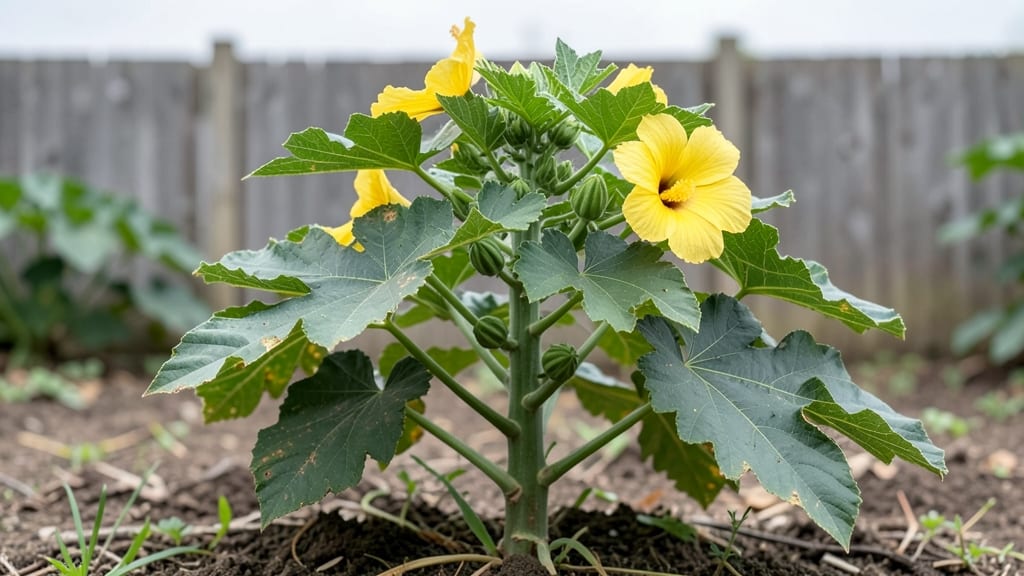
Recognizing the okra flowering stage is your first clue that a bountiful harvest is just weeks away 🌱 — and missing it can mean fewer pods and smaller yields.
Struggling to get your okra plants to flower? Timing is everything—miss this critical window, and your harvest could shrink dramatically. Learn how to recognize the okra flowering stage, predict blooms like a pro, and use simple tricks to maximize your yield before the first pods appear.
Here’s what you need to know: healthy okra flowers appear 50-60 days after planting, but temperature, sunlight, and even soil nutrients can speed up or delay this phase.
I’ll show you how to spot the signs—from bud formation to the first delicate blooms—and what to do if your plants seem stuck in the vegetative stage.
By the end, you’ll know exactly when to expect flowers, how to encourage more blooms, and the fastest ways to turn those blossoms into tender pods ready for your kitchen.
How to identify okra flowering stage and what it means for your harvest
Okra plants follow a predictable growth cycle, but many gardeners miss the critical flowering window that determines your harvest size. Recognizing the okra flowering stage early helps you adjust care and maximize pod production.
This stage typically begins 45-60 days after planting, depending on variety and conditions, but visual cues make it easier to spot.
Once your okra reaches 3-5 feet tall with 5-7 mature leaves, it enters its vegetative-to-flowering transition. The first sign is small, tight buds forming at leaf nodes.
These buds will eventually open into yellow-orange flowers—a clear signal that fruiting is imminent. Missing this window means fewer pods and a shorter harvest season.
Not all okra varieties flower at the same rate. Day-length-sensitive types like 'Clemson Spineless' need 12+ hours of daylight to trigger blooms, while heat-tolerant varieties like 'Emerald' thrive in short-day conditions. Understanding your variety’s needs helps you time planting for optimal flowering.
Here’s a quick reference to spot the okra flowering stage in your garden:
5 Proven ways to speed up okra flowering and increase yield
Okra plants can be finicky about flowering, but with the right approach, you can coax them into blooming faster and producing more pods. The key lies in mimicking their natural growing conditions and providing targeted care during their okra flowering stage.
Whether you're dealing with slow blooms or sparse flowers, these science-backed methods will help you maximize your harvest before the first frost.
From adjusting sunlight exposure to strategic pruning, each technique targets a specific need of okra plants. For example, okra thrives in warm temperatures and full sun, but even small adjustments can make a huge difference.
Let’s dive into the five most effective ways to speed up flowering and boost your yield this season.
Boost Okra Flowering Fast
- 1 Maximize sunlight to 8+ hours daily—okra needs intense light for flowering. Use reflective surfaces or grow lights if shade is an issue.
- 2 Maintain soil temperatures above 70°F—use black plastic mulch or row covers to retain heat and trigger blooms faster.
- 3 Prune lower leaves to redirect energy to flowering. Remove any yellowing leaves to prevent disease and improve airflow.
- 4 Fertilize with low-nitrogen, high-phosphorus (e.g., 5-10-10) when buds form to support blooms and fruit development.
- 5 Hand-pollinate flowers by gently shaking plants or using a small brush to transfer pollen if bees are scarce in your area.
One of the easiest ways to speed up flowering is by ensuring your okra plants receive enough sunlight. Okra is a sun-loving plant, and even a few hours less than the ideal 8 hours daily can delay blooming.
If your garden is shady, consider using reflective mulch or a small grow light to supplement natural light. This small tweak can make a big difference in how quickly your plants transition from vegetative growth to flowering.
Temperature also plays a crucial role in triggering the okra flowering stage. Okra plants need warm soil and air temperatures to flower properly. If your evenings get chilly, use row covers or black plastic mulch to keep the soil warm.
This simple trick can help your plants start blooming up to 2 weeks earlier than they would otherwise. Just make sure to remove covers during the day to avoid overheating.
Pruning is another often-overlooked technique that can significantly boost flowering. By removing the lower leaves and any yellowing foliage, you improve airflow and redirect the plant’s energy toward producing more flowers.
This method also reduces the risk of fungal diseases, which can stress your plants and delay blooming. Just be sure not to over-prune—leave enough leaves to keep the plant photosynthesizing efficiently.
Finally, don’t underestimate the power of fertilizer adjustments. While okra doesn’t need heavy feeding, a balanced fertilizer with higher phosphorus (like 5-10-10) can encourage more blooms once buds start forming.
Apply it lightly when you see the first signs of flowering, and avoid over-fertilizing, which can lead to excessive leafy growth at the expense of flowers. A little goes a long way with okra!