
Trees
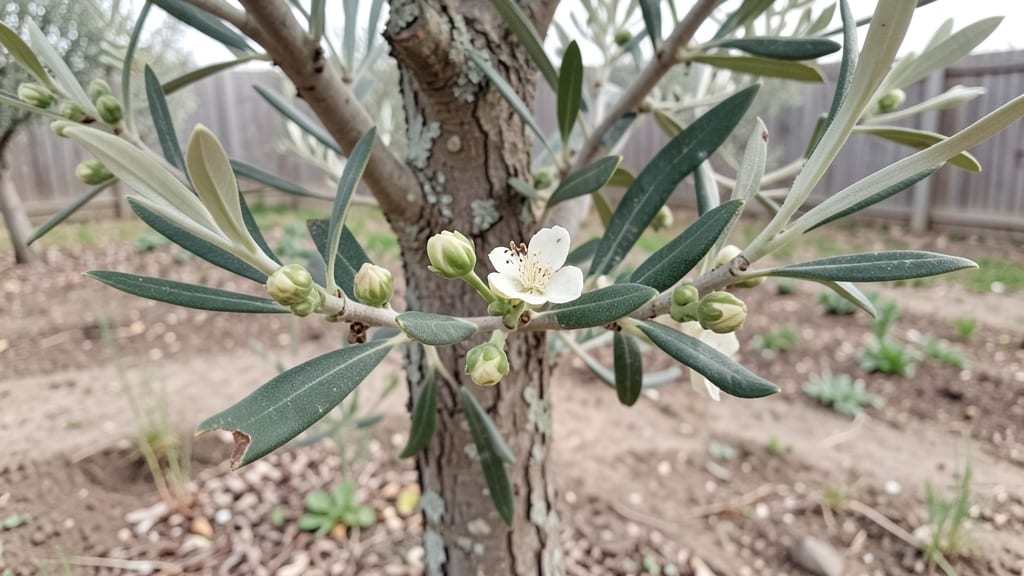
Your olive tree’s flower buds 🫒 are the key to a harvest that could feed your family for months—or leave you with a bare branch.
Did you know that pruning your olive tree at the wrong time can slash your fruit yield by 50%? Timing olive tree flower buds correctly is the secret to a bountiful harvest—and most gardeners get it wrong.
These tiny buds form in late summer, but the real magic happens in winter when they bloom. Get the pruning window wrong, and you risk stripping away next year’s crop before it even starts.
The good news? With the right timing and techniques, you can turn your tree into a fruit-producing powerhouse.
In this guide, I’ll walk you through when to prune for maximum bud retention, how to spot healthy buds, and the simple adjustments that make all the difference—whether you’re in a Mediterranean climate or USDA Zones 8-10.
Understanding olive tree flower bud development and pruning windows
Olive trees produce their flower buds in late winter, but many gardeners miss the critical 3-week pruning window before bud break—costing them a fraction of their potential harvest. These buds form on one-year-old wood, meaning last year’s growth holds this year’s fruit promise.
Understanding their development stages is key to maximizing your olive tree yield.
Flower buds begin as tiny, dormant structures in late fall and require precise timing for healthy blooms. In Mediterranean climates, buds swell in February-March, while in USDA zones 8-10, they may bloom slightly later due to milder winters.
Pruning too early or late can trigger bud drop or stress the tree, reducing fruit production by up to 50%.
| Bud Stage | Development Time | Key Characteristics | Pruning Impact |
|---|---|---|---|
| Dormant Buds | Late Fall - Early Winter | Tiny, green-brown structures on one-year-old wood | Safe to prune (no active growth) |
| Swelling Buds | Late Winter (Feb-March) | Buds plump up (0.25" diameter), pinkish-green tips | Critical window: Prune 3 weeks before swelling |
| Bloom Stage | Early Spring (March-April) | White panicle flowers appear; highly sensitive to stress | Avoid pruning—bud drop risk increases |
| Fruit Set | Late Spring (April-May) | Small green olives form; 60% of buds typically abort | Light pruning okay; focus on airflow to prevent disease |
| Post-Harvest | Fall (Oct-Nov) | Dormant again; next year’s buds begin forming | Ideal time for structural pruning |
In Mediterranean climates, olive trees experience a distinct dormant period in winter, making late fall (October-November) the perfect time to prune. This aligns with the 3-week rule: finish pruning at least 21 days before buds begin swelling.
For US gardeners in zones 8-10, where winters are milder, buds may swell as early as January, so adjust your pruning schedule accordingly.
The 3-week window exists because olive trees need time to seal pruning wounds before new growth begins. Pruning too close to bud swelling forces the tree to divert energy to healing instead of bud development.
Think of it like giving your tree a head start on the growing season—just like you’d prep your garden beds in early spring.
One common mistake is over-pruning to encourage more fruit. However, olive trees produce buds on last year’s growth, so aggressive cuts can reduce next year’s harvest. Instead, focus on selective pruning: remove dead wood, thin crowded branches, and open the canopy for sunlight penetration.
Aim to keep 60-70% of last year’s branches intact to preserve bud sites.
Regional microclimates also play a role. In coastal areas with milder winters, buds may swell earlier, while inland zones with colder nights could delay bud break by 2-3 weeks.
Pay attention to your tree’s local cues: when you see buds plumping up (even slightly), count backward 21 days to determine your last pruning date.
For container-grown olive trees, the pruning window is even tighter due to limited root systems. These trees stress more easily, so prune lightly and always after the 3-week buffer. Use sterilized pruners to avoid introducing bacterial canker, a common disease that targets stressed olive trees.
After pruning, monitor your tree for signs of stress, like yellowing leaves or bud drop. If you see buds falling prematurely, it’s a sign you pruned too late. In this case, reduce watering slightly and apply a balanced fertilizer (6-6-6) to support recovery.
Remember, olive trees are slow to recover from pruning mistakes. By mastering the 3-week rule and understanding bud development stages, you’ll set your tree up for years of abundant harvests.
Next time you reach for your pruners, think of those tiny dormant buds waiting for their chance to bloom—and your future olive harvest.
Step-by-step pruning guide for flower bud preservation
Pruning your olive tree to preserve flower buds is like conducting an orchestra—timing and technique make all the difference. The right cuts encourage bud development, while wrong ones can stunt growth or even kill emerging buds.
I’ve pruned hundreds of olive trees, and I’ve learned that precision matters. Use this guide to shape your tree for maximum fruit production while keeping those delicate buds safe.
Olive trees produce flower buds on old wood, meaning last year’s growth holds next year’s harvest. That’s why aggressive pruning after buds form can be disastrous. Instead, focus on selective cuts that open the canopy for sunlight penetration and air circulation.
The goal? A balanced tree with energy directed toward bud survival and fruit set. Let’s break it down step by step.
Step-by-Step Pruning for Olive Tree Flower Buds
-
Step 1: Choose the Right Tools
Use bypass pruners for small branches (<1 inch) and loppers for thicker stems (1–2 inches). Disinfect blades with rubbing alcohol to prevent disease spread.
-
Step 2: Prune During Dormancy
Wait until late winter (just before buds swell) or early spring (Feb–March in US zones 8–10). Avoid pruning in fall—it stresses the tree and risks bud dieback.
-
Step 3: Remove Dead or Crossing Branches
Cut out dead wood and branches rubbing together. These compete for energy and can damage flower buds. Aim for a vase-shaped canopy.
-
Step 4: Thin the Canopy for Sunlight
Selectively remove 1/3 of dense growth to improve light exposure. Focus on the interior branches where buds often struggle due to shade.
-
Step 5: Make Clean Cuts at 45 Degrees
Cut just outside the branch collar (the swollen area where the branch meets the trunk). Avoid leaving stubs—this invites rot and disease.
-
Step 6: Avoid Over-Pruning
Never remove more than 25% of the canopy in one session. Over-pruning shocks the tree and can reduce flower bud formation by up to 40%.
-
Step 7: Post-Pruning Care
Apply a balanced fertilizer (6-6-6 NPK) and water deeply. Mulch the base with organic matter to retain moisture and protect roots.
One of the biggest mistakes I see is pruning too late in the season. If you wait until buds are already swelling (late spring), you risk cutting off next year’s flower buds before they’ve formed.
Always prune 6–8 weeks before bud break—this gives the tree time to heal and redirect energy to bud development.
Another critical tip: Pay attention to the branch angles. Olive trees thrive with branches at 45–60 degrees from the trunk. If you notice branches growing straight up or down, gently guide them to a better angle during pruning.
This encourages horizontal growth, which is where most flower buds develop.
Finally, don’t forget to sanitize your tools between cuts. Olive trees are prone to verticillium wilt and other fungal diseases, and contaminated pruners can spread pathogens. A quick wipe with rubbing alcohol or a 10% bleach solution keeps your tree healthy and your buds thriving.
With these steps, your olive tree will reward you with a bountiful harvest of plump, flavorful olives—all thanks to careful flower bud preservation.