
Flowers
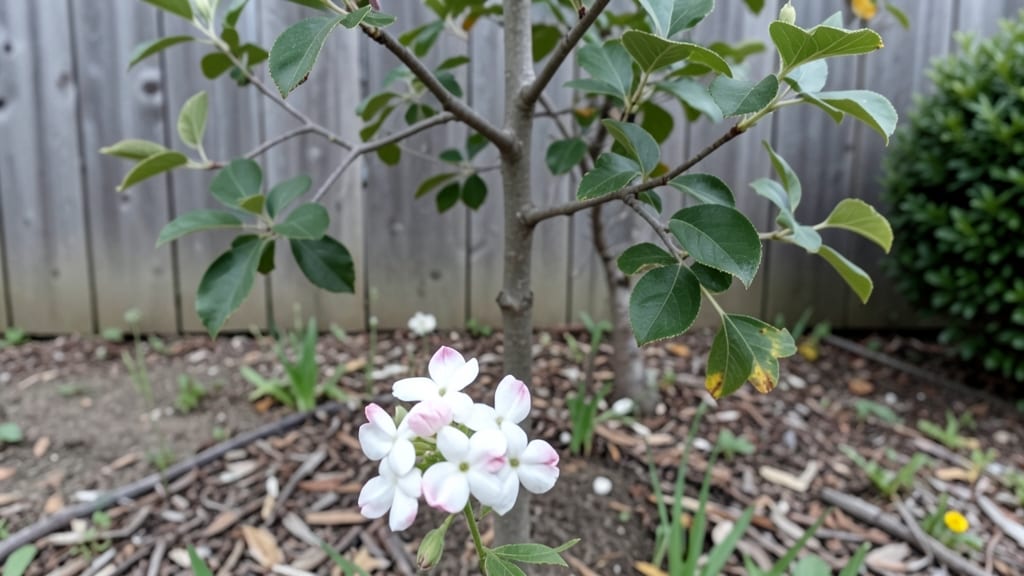
The ornamental pear flower 🌸 transforms your yard into a springtime masterpiece—but only if you prune it right. If your tree's blooms feel sparse or uneven, the issue might not be age or soil, but how (and when) you're shaping its branches.
Picture this: You've waited all winter for those show-stopping pink blossoms, only to find just a handful of flowers where you expected a cloud of them. The difference between a lackluster display and a breathtaking floral show often comes down to timing—and the right cuts.
Most gardeners prune in late winter, but the real secret lies in a year-round approach that keeps your tree healthy and blooming.
Ornamental pears like 'Bradford' and 'Chanticleer' thrive with structured pruning, but many gardeners accidentally stunt their growth by cutting at the wrong time or removing too much at once. The good news?
With the right techniques—like thinning crowded branches and avoiding heavy pruning after bloom season—you can coax your tree into producing double the flowers next spring. Here’s how to do it without sacrificing the tree’s health or structure.
In this guide, I’ll walk you through the seasonal pruning schedule that maximizes blooms, common mistakes to avoid (and how to fix them), and variety-specific tips to keep your ornamental pear looking its best year after year. Let’s get started!
Ornamental pear flower pruning: seasonal timing and techniques for maximum blooms
Pruning your ornamental pear tree isn't just about maintaining its shape—it's the key to unlocking those show-stopping blooms every spring. The right timing and technique can transform a sparse tree into a floral masterpiece.
Unlike fruit-bearing pears, ornamental varieties rely entirely on proper pruning to stimulate flower bud formation for next year's display.
I've learned through years of trial and error that three critical pruning windows determine your tree's flowering potential: late winter, early spring, and post-bloom. Each serves a distinct purpose in shaping your tree's future bloom production.
Let's dive into the science behind these timings and the precise techniques that will maximize your ornamental pear's floral performance.
Step-by-Step Pruning Guide for Ornamental Pears
- 1 Late Winter Pruning (Dormant Season): Prune 2-3 weeks before buds swell (typically February-March). Remove dead, diseased, or crossing branches first. Focus on structural adjustments to improve air circulation and light penetration.
- 2 Early Spring Pruning (Pre-Bloom): Conduct light pruning after 80% of buds have opened but before flowers fully bloom. Remove weak growth and suckers to redirect energy to flower production. Avoid heavy pruning now—it can reduce bloom potential.
- 3 Post-Bloom Pruning (Summer): Prune 4-6 weeks after flowering (typically June-July). This is when you thin out crowded branches by 20-30% to maintain an open canopy. Remove water sprouts and overly vigorous growth to prevent future overcrowding.
- 4 Heading Cuts Technique: When pruning, make heading cuts just above a leaf bud or side branch. Never leave stubs—this invites disease. For flower stimulation, cut back last year's growth by 1/3 to encourage new flowering shoots.
- 5 Branch Thinning Strategy: Remove 1-2 branches per year that are rubbing or competing for space. Focus on removing branches from the bottom 1/3 of the tree to maintain an upright growth habit and improve light penetration to inner branches.
When I first started pruning my Bradford ornamental pear, I made the mistake of pruning too aggressively in spring, which significantly reduced its bloom potential. I learned that ornamental pears produce flowers on last year's growth, so heavy pruning removes next year's blooms.
The key is to be selective and strategic—focus on shaping rather than reducing overall size.
For branch thinning, I target branches that are thinner than a pencil or growing inward. These are often non-flowering shoots that compete with productive branches. By removing just 10-20% of the canopy annually, you create space for healthier, more vigorous growth that will produce more flowers.
One technique I swear by is the 3-cut method for removing larger branches. First, make an undercut about 12 inches out from the branch collar. Then, make a top cut just outside the undercut.
Finally, remove the branch by twisting it at the undercut. This method prevents tearing bark and promotes faster healing—critical for maintaining your tree's health and flowering potential.
After pruning, I always sterilize my tools with rubbing alcohol or a 10% bleach solution to prevent spreading disease. Ornamental pears are particularly susceptible to fire blight, so clean tools are essential. I also apply a wound dressing to larger cuts to protect against pathogens and speed up healing.
Remember, ornamental pears respond best to gradual pruning. Avoid the temptation to drastically reshape your tree in one season. Instead, plan for small, incremental changes over several years. This approach not only maximizes flower production but also maintains the tree's structural integrity for decades.
For young trees (under 5 years old), focus on establishing a strong central leader and scaffold branches. These early structural decisions will determine your tree's future flowering capacity. In older trees, prioritize rejuvenation pruning
Common pruning mistakes that kill ornamental pear flower production
Ornamental pears rely on precise pruning to produce their show-stopping floral displays. Unfortunately, even well-intentioned gardeners often make mistakes that strangle bloom production. The wrong cuts at the wrong time can leave your tree looking healthy but barren—or worse, invite disease.
Let’s uncover the top 5 pruning blunders that rob your tree of its signature springtime blossoms.
First, many gardeners prune at the wrong season, unaware that ornamental pears set their flower buds in late summer for next year’s display. Cutting back during active growth phases removes potential blooms before they even form.
Then there’s the over-pruning trap, where aggressive cuts leave the tree energy-starved—it prioritizes leaf growth over flowers. Let’s fix these before your next pruning session!
- Pruning too late removes next year’s flower buds (set in late summer).
- Over-pruning (cutting >30% of branches) starves the tree, reducing bloom density.
- Improper cuts (tearing bark or leaving stubs) invite disease and pest infestations.
- Pruning during bloom sacrifices current flowers for future growth—a lose-lose.
- Ignoring weak branches leads to crowded canopies, blocking sunlight and reducing air circulation.
Fix these now to restore vibrant, abundant blooms next spring!
Mistake #1: Pruning in summer or fall is a bloom-killer. Ornamental pears form their flower buds in late summer (August-September) for next year’s display. If you prune then, you’re removing potential blooms before they’re even visible.
Instead, wait until dormant season (late winter/early spring) to shape the tree without sacrificing flowers.
Mistake #2: Over-pruning (cutting more than 25-30% of branches) sends your tree into survival mode. It diverts energy to leaf regrowth instead of flower production. To fix this, space cuts 2-3 years apart and focus on thinning crowded branches rather than heavy heading cuts.
Aim for an open, airy canopy to maximize sunlight exposure.
Mistake #3: Improper cuts—like leaving stubs or tearing bark—create entry points for disease like fire blight. Always use clean, sharp pruners and make cuts just outside the branch collar (the swollen area where the branch meets the trunk).
For larger branches, use the three-cut method to avoid bark damage. Diseased branches should be removed entirely and disposed of, not composted.
Mistake #4: Pruning during bloom might seem harmless, but it weakens the tree and reduces next year’s flower count. While you can lightly shape the tree after blooms fade, avoid heavy pruning until late winter.
If you must prune during bloom, limit cuts to dead or crossing branches only. Save major pruning for the dormant season.
Mistake #5: Ignoring weak or diseased branches leads to crowded, shaded interiors where sunlight can’t penetrate. This reduces air circulation and encourages fungal growth, both of which stifle flower production.
Regularly inspect your tree for dead wood, cankers, or discolored leaves. Remove these immediately with sterilized tools to keep your tree healthy and blooming.