
Container Gardens
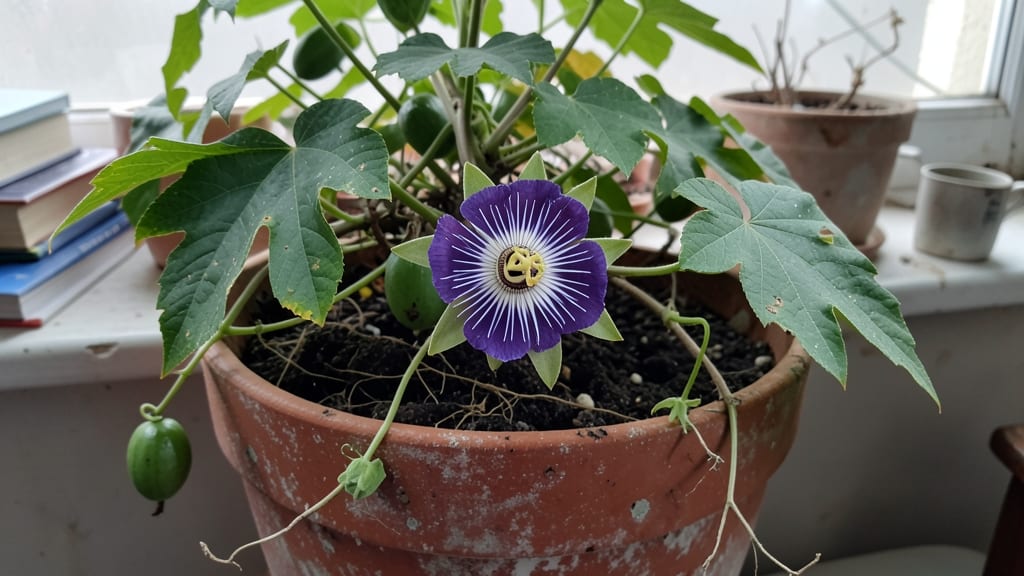
Growing passion flower potted vines has been my secret weapon for adding tropical drama to small patios—no yard required. ✨ These vines thrive in containers with just a few hours of sunlight, and the fragrant blooms attract hummingbirds that put on a daily show.
The key is choosing the right pot size and soil mix to keep roots happy without taking over your space.
You’ll need a 5-gallon container minimum (7+ gallons for faster growth), well-draining soil mixed with perlite, and a sturdy trellis or cage for support. Passion vines are forgiving but hate soggy roots—water only when the top inch feels dry, and always use a pot with drainage holes.
Pruning spent blooms encourages more flowers, and a light fertilizer in spring keeps them lush.
By midsummer, you’ll have velvety green leaves and clusters of exotic blooms in purple, pink, or white. The vines grow aggressively but stay contained in pots, making them perfect for balconies or sunny windowsills. Even in partial shade, they’ll reward you with blooms—though full sun produces the most dramatic displays.
Fair warning: these vines are escape artists. If you’re growing near a fence or balcony railing, secure the trellis tightly—otherwise, you’ll end up with vines climbing your house in no time. The trade-off? A year-round green wall that outshines any store-bought decoration.
📚 In This Guide
- What you need
- Instructions
- Tips and common mistakes
- Wrapping up and next steps
What you need
- ● Passion flower plant: Choose a healthy Passiflora variety (e.g., Passiflora caerulea or Passiflora edulis), either from a nursery or a 4-6" potted starter.
- ● Container: A pot with drainage holes, at least 12-18 inches in diameter and depth (larger for mature vines). Terracotta or fabric pots work best.
- ● Well-draining potting mix: 3 parts high-quality cactus/succulent mix + 1 part perlite or pumice (for aeration). Avoid garden soil—it compacts and retains too much moisture.
- ● Drainage medium: A layer of 1-2 inches of gravel, pebbles, or broken pottery at the bottom of the pot.
- ● Support structure: A trellis, obelisk, or sturdy stakes (at least 6-8 feet tall) to guide the vine as it grows.
- ● Watering can or hose with a gentle spray nozzle: Passion flowers hate soggy roots!
- ● Slow-release fertilizer: A balanced 10-10-10 or tomato/flower-specific formula to give your vine a nutrient boost (apply 2-3 times per growing season).
- ● Mulch: A light layer of bark or straw to retain moisture and regulate soil temperature.
- ● Pruning shears: Sharp, clean shears for trimming dead or overgrown vines.
- ● Humidity tray: A shallow tray with pebbles and water (if your climate is dry).
- ● Grow lights (for low-light spaces):strong> A full-spectrum LED grow light if your space gets less than 4-6 hours of sunlight daily.
How to grow passion flower vines in containers
Here’s the straightforward approach I’ve used to grow healthy, flowering passion vines in pots—even in small spaces.
🪴 Step 1: Select the Right Container and Drainage
Passion vines need room to spread, so choose a container at least 12 inches wide and deep—larger pots hold more soil moisture and nutrients, which these thirsty vines appreciate. I prefer terracotta pots because they breathe and help prevent root rot, but plastic works too if you drill extra drainage holes.
Place a layer of 2-3 inches of gravel or broken pottery at the bottom before adding soil. This ensures excess water drains freely and doesn’t pool around roots. If your pot has only one drainage hole, add a second on the opposite side—passion vines hate soggy feet.
🌱 Step 2: Use Well-Draining Soil and Plant the Vine
Fill the container with a mix of 50% potting soil and 50% perlite or orchid bark—this keeps the soil loose and aerated, which passion vines love. Avoid garden soil; it compacts and suffocates roots. Moisten the mix until it’s damp but not dripping, then create a small hole in the center.
Gently remove the vine from its nursery pot and loosen the roots if they’re tightly bound. Place it in the hole so the top of the root ball sits just below the soil line. Press the soil lightly around the roots to secure the plant, then water deeply until moisture runs out the drainage holes.
☀️ Step 3: Position for Light and Support
Passion vines thrive in morning sun and afternoon shade, but they’ll tolerate full sun in cooler climates if given enough water. Place your pot where it gets at least 4-6 hours of indirect light daily—too much direct sun scorches the leaves. If indoors, a south-facing window works best.
Install a trellis or sturdy stake near the pot right away. These vines grow 10-20 feet in a season, so they need support immediately. I use a 5-foot metal trellis for mine, securing it with garden ties. As the vine climbs, gently weave the tendrils through the structure to encourage upward growth.
💧 Step 4: Water and Fertilize for Strong Growth
Water the vine deeply every 2-3 days during warm weather, letting the top 2 inches of soil dry out between waterings. Passion vines are heavy drinkers, but overwatering leads to root rot. Check moisture by sticking your finger in the soil—if it feels dry, it’s time to water.
Feed the plant once a month with a balanced liquid fertilizer (10-10-10) during spring and summer. I mix it at half-strength to avoid burning the roots. Stop fertilizing in fall and winter, when growth slows. Prune yellow or damaged leaves immediately to keep the plant healthy and encourage new growth.
✂️ Step 5: Prune and Overwinter for Next Year
In late winter or early spring, prune back the vines to half their size to encourage bushier growth. Cut just above a leaf node, where new shoots will emerge. This also makes the plant easier to manage in containers. Remove any dead or weak stems first—they sap energy from the healthy parts.
If you live in a cold climate, bring the pot indoors before the first frost. Place it in a bright, cool spot (around 50-60°F) and reduce watering to once a week. Resume normal care in spring, and your vine will bounce back with fresh growth. With the right care, your passion vine will reward you with stunning flowers and fruit for years.
Tips & tricks for thriving potted passion flower vines
These insider strategies will help your container-grown passion vines flourish with minimal fuss and maximum impact.
Container Material Matters: Terracotta pots breathe better than plastic, preventing root rot by allowing moisture to evaporate naturally. If you choose plastic, drill extra drainage holes—passion vines despise soggy conditions. I've found that larger pots (18+ inches) actually reduce watering frequency because the soil stays moist longer, but they must have adequate drainage.
Soil Mix Secrets: The 50/50 potting soil to perlite/orchid bark ratio creates the perfect air-to-moisture balance passion vines crave. Pro tip: Add a handful of worm castings to your soil mix for extra nutrients and microbial activity that boosts growth. This small addition makes a noticeable difference in vine vigor and flowering.
Light Positioning Strategy: For indoor growing, position your vine within 3 feet of the south-facing window to maximize those critical 4-6 hours of indirect light. Rotate the pot quarter-turn weekly so all sides get even exposure—this prevents lopsided growth. In hot climates, provide afternoon shade to prevent leaf scorch, which can happen even with indirect light.
Watering Wisdom: The "finger test" is your best friend—insert your finger 2 inches into the soil. If it feels dry, it's time to water deeply until moisture runs out the drainage holes. Overwatering is the #1 killer of potted passion vines, so always check before watering. I've learned this the hard way after losing two vines to root rot!
Pro Tips for Passion Flower Potted
- These insider strategies will help your container-grown passion vines flourish with minimal fuss and maximum impact.
- Container Material Matters: Terracotta pots breathe better than plastic, preventing root rot by allowing moisture to evaporate naturally.
- Soil Mix Secrets: The 50/50 potting soil to perlite/orchid bark ratio creates the perfect air-to-moisture balance passion vines crave.
Frequently asked questions
Got questions about growing passion flower in pots? You’re not alone! Here are answers to the most common queries from fellow gardeners—so you can enjoy lush vines with confidence, even in small spaces.
How often should I water my potted passion flower?
Keep the soil consistently moist but not soggy—water when the top inch feels dry. Passion flowers hate drought but despise overwatering too! Use a pot with drainage holes and a saucer to prevent root rot. In winter, reduce watering slightly to let the soil dry out a bit more.
Can I grow passion flower indoors with artificial light?
Yes! Passion flowers thrive under bright, indirect light, including grow lights. Place them near a south-facing window or use a full-spectrum LED (12–16 hours/day). If leaves yellow or vines stretch too much, it’s a sign they need more light. Rotate the pot occasionally for even growth.
What’s the best soil mix for potted passion flowers?
Use a well-draining, slightly acidic mix (pH 6.0–7.0). Combine:
- 60% high-quality potting soil
- 20% perlite or sand
- 20% compost or worm castings
How do I protect my potted passion flower in winter?
Passion flowers are tender perennials (hardy to Zone 8–11). In colder climates, move pots indoors to a cool, bright spot (50–60°F). Reduce watering and prune back leggy growth. If frost is forecast, wrap the pot in bubble wrap or move it to a sheltered porch. Never let it freeze!
Why are my passion flower leaves curling or dropping?
Curling leaves often mean underwatering or low humidity. Dropping leaves could signal overwatering, pests (like spider mites), or root-bound roots. Check soil moisture, inspect leaves for bugs, and repot if roots circle the pot. Mist the plant occasionally or use a pebble tray to boost humidity.
Wrapping up and next steps
Growing passion flower potted is a rewarding way to bring lush, fragrant beauty into small spaces—even with limited sunlight! 🌿 Whether you’re a seasoned gardener or a beginner, these vines thrive with minimal effort, offering stunning blooms and a touch of tropical charm.
With the right container, soil, and care, you’ll enjoy a thriving plant that purifies the air and delights the senses.
Ready to transform your balcony, patio, or windowsill? Start by choosing your favorite variety, grab your supplies, and let nature do the rest. Happy gardening—your green oasis awaits! ⚡