
Trees
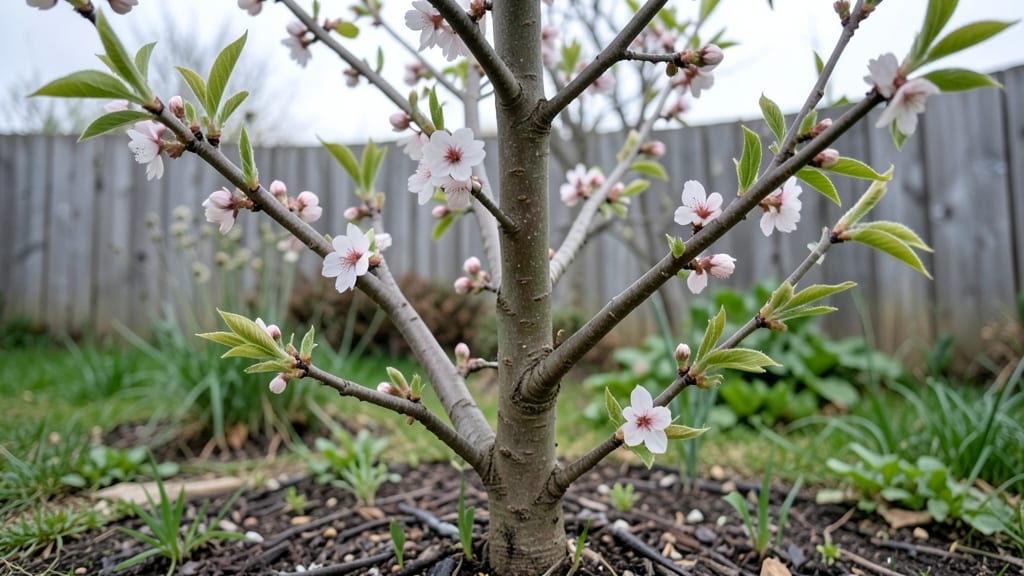
Peach tree flower buds are the secret to a bountiful harvest—and whether your 🍑 tree bursts with blossoms or sits bare comes down to timing, care, and a little seasonal know-how.
If you’ve ever wondered why your peach tree suddenly bursts with delicate blossoms—or why some years it fails to bloom at all—understanding these tiny buds is the key to unlocking a sweet summer of fruit.
In Zone 6a, these buds form in late summer, then wait through winter for the right chill hours and spring warmth to wake up. Miss the cues, and you might end up with no flowers at all—or worse, buds that freeze before they bloom.
Here’s what you need to know: when to expect them, how to protect them from frost and pests, and the simple steps to encourage healthy, vigorous blooms every spring.
When and why peach tree flower buds appear: seasonal timeline
Peach trees follow a precise seasonal rhythm where flower buds form during late summer and early fall—typically between August and October in most USDA Zone 6 regions. This timing ensures buds develop before winter dormancy, setting the stage for spring blooms.
Understanding this cycle helps you predict when your tree will burst into blossoms—and why some years it might disappoint.
The appearance of peach tree flower buds isn’t random; it’s triggered by a combination of temperature shifts, daylight changes, and the tree’s internal clock.
As summer winds down, shorter days and cooler nights signal the tree to prepare for dormancy—but not before forming buds that will become next year’s fruit-bearing blossoms. These buds are delicate, so timing is everything.
Chill hours are the secret ingredient here. Most peach varieties need 300–1,000 chill hours (temperatures between 32–45°F) to break dormancy and trigger bud development. Without enough chill, buds may fail to form—or worse, bloom too late for pollinators. In warmer climates like Zone 8 or 9, buds might appear earlier or require artificial chilling techniques.
Here’s how the process unfolds in your backyard:
If your peach tree skips blooming, it’s often due to insufficient chill hours or late spring frost damaging buds before they open. In my Zone 6 garden, I’ve seen buds form in early September but fail to bloom if a late frost hits in April.
To mitigate this, I use row covers or even a small space heater (safely placed) during critical bloom weeks.
Another critical factor is pruning timing. Prune in late winter (just before buds swell) to remove dead or crossing branches, but avoid heavy cuts that could stress the tree.
I learned this the hard way—pruning too late in spring can remove next year’s flower buds before they’re even visible!
For gardeners in warmer climates (Zone 7+), peach trees may need dwarf varieties or low-chill cultivars like ‘Redhaven’ or ‘Elberta,’ which require fewer chill hours. If you’re unsure about your tree’s chill needs, check the variety tag or consult your local cooperative extension office for climate-specific advice.
Finally, pay attention to bud health. Healthy buds should feel firm and plump, not shriveled or mushy. If you notice blackened or oozing buds, it could signal bacterial canker or fungal infection, which requires immediate action—like pruning infected branches and applying copper fungicide.
By mastering this seasonal timeline, you’ll not only predict when your peach tree will bloom but also protect those buds from common pitfalls. Next spring, you’ll be rewarded with a spectacular display of blossoms—and hopefully, a bountiful peach harvest to follow! 🌸🍑
What peach tree flower buds look like: visual identification guide
Peach tree flower buds are the secret to a fruitful harvest, but many gardeners confuse them with leaf buds. Understanding their unique characteristics helps you predict blooming seasons and ensure your tree thrives.
These buds form in late summer or fall, swelling slightly before winter dormancy. Their appearance varies based on the tree's age and variety, but key visual clues make them easier to spot.
First, examine the size and shape of the buds. Flower buds are typically rounder and plumper than leaf buds, resembling tiny green marbles clustered near the tips of branches.
Leaf buds, in contrast, are usually pointier and flatter, tapering to a sharp tip. This distinction is crucial because pruning mistakes can remove potential blooms before they open.
Color is another telltale sign. Healthy flower buds often appear greenish-yellow or reddish-brown, depending on the variety. Some varieties even develop a fuzzy, woolly texture as they mature. Leaf buds, however, tend to stay green or brown without this fuzzy coating. Pay close attention to these hues, as they shift as buds prepare for spring blooming.
Location on the branch also offers clues. Flower buds often grow in small clusters at the ends of branches or along the sides, while leaf buds are more evenly spaced.
This clustering is a natural adaptation to maximize sunlight exposure for blooms. If you notice multiple buds grouped tightly together, you’re likely looking at flower buds.
⚠️ Common Mistake: Pruning Flower Buds by Accident
Many gardeners prune leaf buds to shape their trees but accidentally remove flower buds hiding among them. Flower buds are more vulnerable in early spring when they’re still small. Always inspect branches before pruning—look for clustered, round buds near branch tips. If you’re unsure, wait until after blooming to prune.
One of the biggest mistakes is assuming all buds are leaf buds. Young trees or newly planted peach trees may produce fewer flower buds, making them harder to spot. If your tree blooms poorly, check for small, round buds hidden among the leaves.
Sometimes, disease or poor nutrition can stunt bud development, so ensure your tree receives balanced fertilizer in early spring.
To confirm you’ve identified flower buds, gently touch them. They should feel firm but slightly soft, almost like a small pea. Leaf buds, however, feel harder and more woody. This tactile test is especially useful in late winter when buds begin swelling.
If you’re still unsure, observe the tree over time—flower buds will open into delicate blossoms, while leaf buds will unfurl into new foliage.
Mastering this skill ensures you’ll never miss the magical transformation from bud to bloom. Next time you inspect your peach tree, take a closer look at those tiny clusters—they hold the promise of your future harvest! 🌱