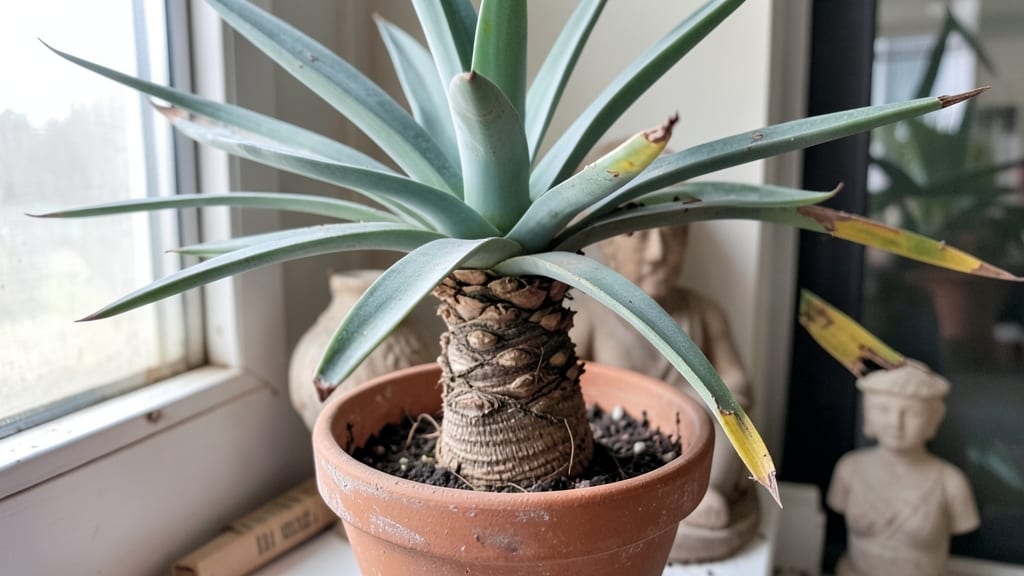
These pictures of flowering yucca plants will show you just how striking their towering spikes and tropical blooms make even the toughest drought-tolerant shrub a garden showstopper.
Yucca plants burst into breathtaking floral displays that can transform any garden into a desert-inspired masterpiece—yet many gardeners miss their full potential by focusing only on foliage.
These striking varieties offer dramatic height, bold textures, and seasonal blooms that rival tropical flowers, making them a must-have for modern landscapes. Whether you're designing a Mediterranean-style border or a low-maintenance container garden, yucca's unique structure and vibrant flowers create instant focal points.
Below, you'll discover 15 stunning varieties with expert tips on pairing them with complementary plants, extending their blooming season, and capturing their beauty in photos.
15 Most stunning flowering yucca varieties with gorgeous photos
Yucca plants are architectural superstars that deliver dramatic floral displays in shades from pure white to deep rose. While their sword-like foliage steals the show year-round, the springtime blooms transform these plants into desert-inspired masterpieces.
Whether you're designing a modern courtyard or a low-water landscape, these 15 flowering yucca varieties will add height, texture, and seasonal color your garden can't resist.
From the towering spikes of Yucca rostrata to the compact elegance of Yucca 'Color Guard', each variety offers unique bloom shapes, colors, and growth habits. I've selected these based on visual impact, rarity, and adaptability to ensure every pick delivers maximum garden drama.
Let's dive into the most stunning flowering yuccas that will make your landscape unforgettable.
🌵 Tip: Most yuccas bloom in late spring to early summer, but Yucca whipplei and Yucca baccata often flower in winter for unexpected color. Always plant in well-draining soil and full sun for best results.
| Variety |
Bloom Color |
Height (ft) |
Bloom Season |
Unique Feature |
Best For |
| Yucca filamentosa |
White to cream |
3-4 ft |
Late spring |
Thread-like leaf margins |
Borders, containers |
| Yucca 'Color Guard' |
White with red tips |
2-3 ft |
Early summer |
Variegated foliage |
Modern gardens |
| Yucca gloriosa |
Pale green |
6-8 ft |
Late spring |
Tallest common yucca |
Backyard focal points |
| Yucca rostrata |
White |
10-15 ft |
Summer |
Massive rosette shape |
Desert landscapes |
| Yucca whipplei |
Greenish-white |
3-5 ft |
Winter |
Cold-hardy |
Cold climates |
| Yucca baccata |
Greenish-white |
6-10 ft |
Spring |
Blue-green foliage |
Xeric gardens |
| Yucca 'Bright Edge' |
White |
2-3 ft |
Late spring |
Yellow leaf edges |
Container gardens |
| Yucca brevifolia |
Greenish-white |
4-6 ft |
Summer |
Joshua Tree lookalike |
Drought gardens |
| Yucca flaccida |
White |
3-4 ft |
Late spring |
Soft, arching leaves |
Shady borders |
| Yucca 'Golden Sword' |
White |
2-3 ft |
How to photograph flowering yucca plants for maximum impact
Capturing the ethereal beauty of flowering yucca plants requires patience and attention to detail. These architectural blooms—with their spiky white or cream flowers—thrive in golden-hour lighting and dramatic compositions.
Whether you're documenting your garden's desert-inspired palette or creating content for social media, these techniques will elevate your photos from ordinary to extraordinary.
Yucca blooms are short-lived, often lasting just 2-3 weeks, so timing is critical. The key lies in understanding their natural light preferences, selecting the right background elements, and post-processing tricks to enhance their textural details.
Let’s dive into the step-by-step process to ensure your yucca photography stands out.
Step-by-Step Guide to Photographing Yucca Blooms
-
1
Choose the right time of day: Shoot during early morning (6-9 AM) or late afternoon (4-7 PM) to capture soft, diffused light that highlights the delicate petals without harsh shadows.
-
2
Select a clean, uncluttered background: Use neutral tones like sand, gravel, or muted greens to let the yucca’s architectural form take center stage. Avoid busy garden beds that distract from the bloom’s details.
-
3
Focus on the bloom’s texture: Use a macro lens (or your camera’s macro mode) to capture the fibrous strands and petal layers. A shallow depth of field (f/2.8-f/4) will blur the background while keeping the yucca’s details sharp.
-
4
Experiment with angles: Shoot from below to emphasize the height and grandeur of the yucca’s spikes. A slight upward tilt (45-degree angle) can create a dramatic leading line toward the sky.
-
5
Edit for contrast and warmth: Boost saturation slightly (+10-15%) to enhance the cream-white blooms. Use a warm tone (increase yellow/orange hues by +5) to mimic desert sunlight and add vibrancy to the foliage.
-
6
Add a natural frame: Incorporate yucca’s sword-like leaves or nearby succulents to create a natural border around the bloom. This adds depth and context to your garden photography.
For before-and-after examples, compare a raw photo (straight from your camera) with one edited using Lightroom or free tools like Snapseed. The edited version should showcase crisp details, balanced exposure, and a warm, inviting tone that highlights the yucca’s natural elegance.
Pro tip: Shoot in RAW format for maximum editing flexibility.
Don’t forget to document the entire blooming process. Yuccas often rebloom sporadically, so capturing buds opening, full blooms, and wilted flowers adds a dynamic timeline to your garden journal.
Pair your photos with notes on USDA zone, bloom duration, and growing conditions for a complete record.
With these techniques, your yucca plant photos will not only showcase their striking beauty but also inspire others to incorporate these drought-tolerant stars into their own landscapes. Happy shooting!
★★★★★4.9(2 reviews)