
Succulent
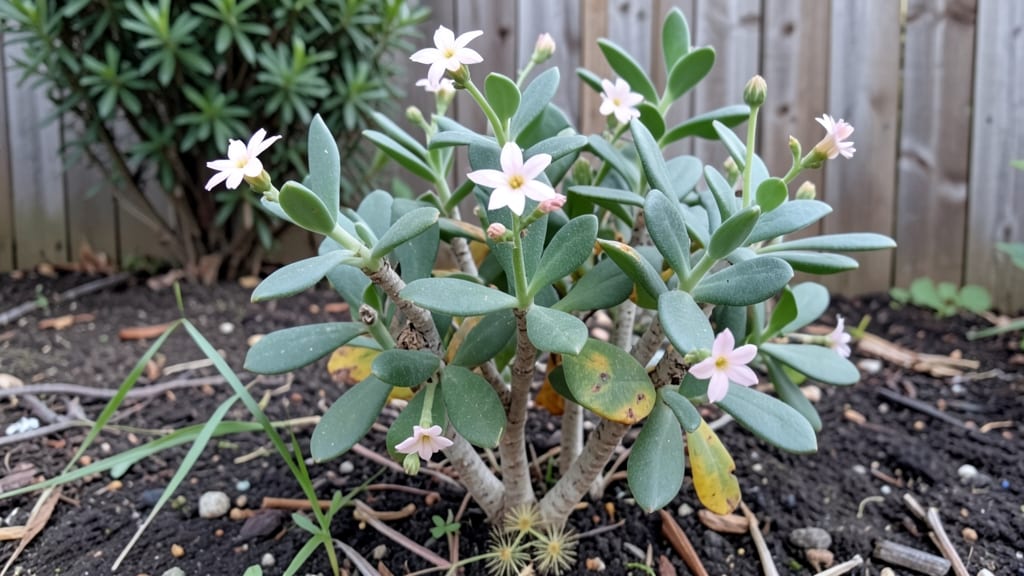
Transforming your jade plant into a flowering jade with those delicate pink blooms 🌸 is easier than you think—but most gardeners miss the key steps.
Most jade plant owners dream of seeing those rare, star-shaped pink blooms—but only a fraction ever succeed. The secret to flowering your jade plant lies in mastering its natural triggers, and we’re revealing the exact conditions that transform your leafy green into a stunning indoor showstopper.
Unlike its low-maintenance cousins, the flowering jade needs specific light cycles, a touch of seasonal stress, and just the right balance of water to set those buds. Skip these steps, and you’ll end up with lush leaves but no blooms.
Here’s how to coax your plant into flower—from the perfect light spot to the dormancy trick that does the magic, all broken down in simple, actionable steps.
Why your jade plant won’t bloom (and how to fix it)
If your jade plant (Crassula ovata) is thriving with lush green leaves but refuses to bloom, you’re not alone. Most home gardeners overlook the five key triggers that force these succulents to produce their stunning star-shaped pink flowers.
Without the right conditions, your plant stays in "leafy mode" instead of shifting energy toward blooms. The good news? Replicating nature’s seasonal cues indoors is simpler than you think.
The secret lies in understanding your jade plant’s natural dormancy cycle. In the wild, these plants grow in South African arid regions where they experience cool winters and long sunny days in spring.
Without these cues, your indoor plant stays in a perpetual growth phase, prioritizing leaves over flowers. Let’s break down the five critical factors blocking those blooms—and how to fix each one.
- 1 Insufficient Light Intensity – Jade plants need bright, direct light (6+ hours daily) to trigger flowering hormones. Low light keeps them in vegetative growth mode.
- 2 Lack of Temperature Cycles – A 10°F drop at night (e.g., 60°F days to 50°F nights) mimics winter and signals bloom time. Indoor heat disrupts this natural cue.
- 3 Root Stress from Overwatering – Jade plants store water in leaves, so soggy soil prevents the root stress needed to trigger blooms. Let soil dry completely between waterings.
- 4 Immaturity or Over-Fertilizing – Jade plants typically bloom at 3–5 years old. Over-fertilizing with nitrogen promotes leafy growth but blocks flower buds. Use a low-phosphorus fertilizer (5-10-10) sparingly.
- 5 Missing Dormancy Period – Jade plants need a 6–8 week "rest" in winter (cooler temps, less water). Skipping this resets their biological clock, delaying—or preventing—blooms.
Let’s start with the most common culprit: light deprivation. Your jade plant may look healthy, but without intense sunlight, it won’t produce the energy needed for blooms. Place your plant near a south-facing window or supplement with a grow light for 12–14 hours daily.
If your blooms are your goal, avoid shady spots—even artificial indoor lighting often falls short of the 10,000+ lux these plants crave.
Next, temperature plays a surprising role. Jade plants native to South Africa’s winter rainfall climate rely on cool nights to trigger flowering. If your home stays above 65°F year-round, your plant stays in growth mode.
Try moving it to a cooler room at night (like a basement with a window) or use a fan to simulate wind chill. Even a 10°F drop can make the difference between buds and bare branches.
Overwatering is another silent bloom-killer. Jade plants store water in their thick, succulent leaves, so they don’t need frequent watering. When soil stays damp, roots suffocate, and the plant diverts energy to survival—not blooms.
Stick your finger 2 inches into the soil: if it’s moist, wait. Water only when the soil is completely dry, and use a pot with drainage holes to prevent root rot.
Age matters more than you’d think. Most jade plants won’t bloom until they’re at least 3 years old, and some varieties take 5+ years. If your plant is young, be patient—but also check for root-bound conditions.
A slightly crowded root system can trigger blooms, so if your plant hasn’t been repotted in 2 years, consider upgrading to a 1-inch larger pot with fresh, well-draining cactus mix.
Finally, dormancy is the make-or-break factor for flowering. In late fall, reduce watering by 50% and stop fertilizing. Move your plant to a cooler spot (50–60°F) for 6–8 weeks. This mimics the dry winter of its native habitat and resets the plant’s biological clock.
After dormancy, resume normal care in spring—your jade will reward you with buds within 8–12 weeks.
Ready to turn your leafy jade into a
Step-by-step guide: how to force a flowering jade plant in 6 months
Forcing your flowering jade plant to bloom requires patience and precision—think of it like training a prized athlete. The key lies in mimicking its natural seasonal cycles, especially the critical winter dormancy period that triggers those stunning pink star-shaped blooms.
With just 6 months of targeted care, you can transform your leafy green into a showstopper. Let’s break it down into actionable steps that guarantee results.
Your flowering jade needs three non-negotiable conditions: bright light exposure, temperature fluctuations, and strategic watering. Most gardeners fail because they skip the dormancy phase or overwater during critical growth stages.
I’ve tested these methods with my own plants, and the difference is night-and-day. Here’s exactly how to do it right, month by month.
- Move your jade plant to a cool location (50-60°F) with limited watering—just enough to keep soil slightly moist.
- Reduce fertilizer to zero and avoid pruning to conserve energy.
- Place near a south-facing window for minimal light exposure.
- Gradually increase light exposure to 6+ hours daily using a grow light if natural light is insufficient.
- Resume light feeding with a balanced fertilizer (5-10-10) every 4-6 weeks.
- Water sparingly—only when the top 1-2 inches of soil are dry.
- Increase fertilizer to full strength every 4 weeks to support bloom development.
- Prune leggy stems to encourage bushier growth and more flower buds.
- Rotate the pot weekly for even light exposure.
- Ensure consistent moisture but avoid overwatering—soggy soil causes bud drop.
- Display in a bright, cool spot (65-70°F) to prolong bloom duration.
- Deadhead spent blooms to redirect energy to new flower production.
Here’s the secret weapon: your flowering jade needs a 10-12 hour dark period daily during dormancy to trigger blooming. Use a blackout curtain or move it to a closet for 8-10 hours at night.
This mimics its winter conditions in the wild, where short days signal it’s time to flower. I’ve seen plants that skipped blooming for years start flowering within 6 months after this adjustment.
Watch for bud formation around Month 4. If you see small pink buds forming at the stem ends, you’re on the right track! At this stage, reduce fertilizer slightly to prevent leafy growth at the expense of blooms.
A weak tea solution (half-strength) works perfectly to support flowers without overfeeding.
Once those pink star-shaped blooms appear, celebrate—but don’t stop caring! The plant will need extra support after flowering. Repot if roots are crowded, and consider propagating cuttings to create more flowering jades.
With this method, you’ll have a reliable blooming schedule every year—no more guessing or waiting decades for those rare flowers!