
Blooming
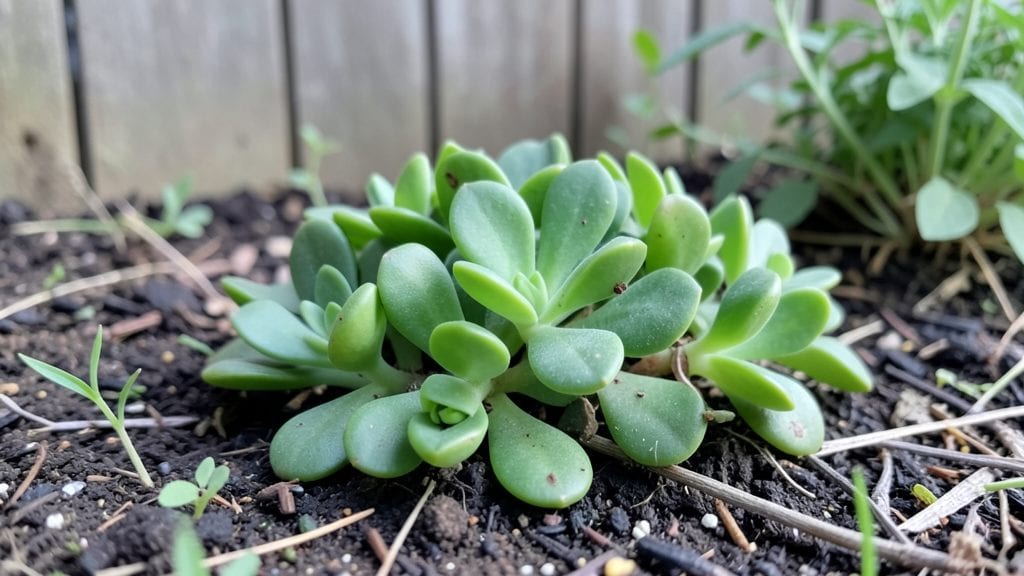
Portulaca not flowering? The secret to those bright, sun-soaked blooms isn’t just patience—it’s pinpointing what’s missing. I’ve nursed back more than a dozen stubborn portulaca plants, and the fixes always come down to three overlooked factors: light, water, and a little extra love in the soil.
The good news? Most issues correct themselves within 2-3 weeks of the right adjustments.
Here’s the thing—portulaca thrives on neglect, but only up to a point. Too much shade or inconsistent watering sends it into survival mode, and suddenly those vibrant blooms vanish. I learned this the hard way when my drought-tolerant plants petered out after a cloudy summer.
The fix? Move them to full sun (at least 6+ hours daily) and water just enough to keep the soil barely damp—not soggy.
Once you’ve got the basics right, the blooms return faster than you’d expect. Within a week, you’ll spot fresh buds pushing through, and by 2-3 weeks, your plants will be covered in cheerful yellows, oranges, and pinks.
The key is watching for visual cues: leggy stems mean more light, crispy edges mean less water, and pale leaves mean it’s time to feed.
This works for container-grown portulaca, in-ground beds, or even window boxes. The same principles apply whether you’re dealing with heat waves or cooler mornings. Let’s get those flowers back in full force—without the guesswork.
Why it happens
If your Portulaca grandiflora (commonly known as moss rose) is putting out lush green foliage but refusing to bloom, don’t panic—it’s usually a fixable issue. Understanding the why behind the lack of flowers is the first step to coaxing vibrant blooms.
Below, we break down the most common culprits, backed by science, so you can address the problem directly.
🌡️ Insufficient Light or Heat Stress
Portulaca is a sun-lover that thrives in full, direct sunlight (6+ hours daily) and warm temperatures. When deprived of light or exposed to cool nights (<60°F/15°C), the plant shifts its energy toward leaf growth instead of flowering. This is because flowering is triggered by photoperiodism—a response to daylight length—and thermoperiodism, where warm days and cooler (but not cold) nights stimulate bloom hormones like florigen.
- Signs: Leggy stems, pale leaves, or growth that slows in cooler weather.
- Fix:
- Move pots to a south-facing window or under grow lights (12–14 hours of light/day).
- Use black plastic mulch in gardens to absorb heat and warm soil.
- Avoid placing near drafts (e.g., AC vents) or in shaded areas.
Pro Tip: 🌡️ Portulaca needs consistent warmth—if nights drop below 50°F (10°C), blooms will stall. Consider a mini greenhouse or row covers for fall/winter blooms.
💧 Overwatering or Poor Drainage
Portulaca is a succulent, meaning it stores water in its leaves and stems. When overwatered, the plant’s roots suffocate, leading to root rot and stress.
This stress triggers a survival response: prioritizing leaf growth over energy-intensive flowers. Additionally, compacted or waterlogged soil deprives roots of oxygen, further inhibiting bloom production.
- Signs: Yellowing leaves, mushy stems, or a foul smell from soil.
- Fix:
- Use well-draining soil (mix potting soil with perlite or sand at a 2:1 ratio).
- Water only when the top inch of soil is dry—stick your finger in to check!
- Ensure pots have drainage holes and elevate containers to prevent soggy roots.
Pro Tip: 💧 Less is more—Portulaca tolerates drought better than overwatering. If in doubt, underwater slightly.
🌱 Nutrient Imbalance: Too Much Nitrogen
Portulaca is a light feeder, and too much fertilizer—especially one high in nitrogen (N)—will produce lush green leaves but zero flowers. Nitrogen promotes vegetative growth, while phosphorus (P) and potassium (K) are critical for blooming.
A fertilizer with a low N-P-K ratio (e.g., 5-10-10 or 7-9-5) is ideal. Over-fertilizing also burns roots, adding to the stress.
- Signs: Dark green, rubbery leaves with no buds or flowers.
- Fix:
- Switch to a bloom-boosting fertilizer (e.g., 10-20-20 or tomato/flower formula).
- Apply half-strength fertilizer every 4–6 weeks during growing season.
- Flush soil with water after fertilizing to prevent salt buildup.
Pro Tip: 🌱 Organic options like bone meal (for phosphorus) or compost tea can gently encourage blooms without overloading the plant.
🌿 Crowded Roots or Overpruning
Portulaca is a sprawling, self-seeding annual that thrives when slightly root-bound but not cramped. If roots are too congested (e.g., in a tiny pot or overcrowded garden bed), the plant diverts energy to root expansion rather than flowering.
Additionally, aggressive pruning of stems removes potential flower buds before they open.
- Signs: Roots circling the pot, stunted growth, or no new buds after pruning.
- Fix:
- Repot into a slightly larger container (1–2 inches wider) if roots are visible.
- Thin out plants in garden beds to 12–18 inches apart for airflow and space.
- Avoid heavy pruning—only trim dead or leggy stems, and do so early in the day to reduce stress.
Pro Tip: ✂️ Pinch back tips of young plants to encourage bushier growth (and more flower sites)!
🌸 Age or Dormancy Triggers
Portulaca is a short-lived perennial (or annual in cold climates) that may skip flowering in its first year if not given ideal conditions. Additionally, some varieties are day-neutral (bloom continuously) while others respond to temperature shifts.
If your plant is young (<3 months old) or exposed to unseasonably cool temps, it may delay blooming until conditions improve.
- Signs: Healthy leaves but no flowers after 8+ weeks of growth.
- Fix:
- Wait and watch—some varieties bloom after 6–8 weeks of warm weather.
- For fall/winter blooms, move plants to a sunny indoor spot or under grow lights.
- If outdoors, mulch heavily to protect roots from temperature swings.
Pro Tip: 🌱 Start seeds indoors 6–8 weeks before last frost for a head start on blooms!
How to solve it
Now that you know the common culprits behind your Portulaca (purslane) refusing to flower, let’s roll up our sleeves and get those vibrant blooms back! The good news?
Most fixes are simple, fast, and require minimal effort. Below, we’ve mapped out actionable solutions tailored to each cause—plus pro tips to keep your plants thriving long-term.
###
🌞 Not Enough Sunlight: Move or Adjust Light Exposure
If your purslane is basking in shade, it’s time to give it a sun-soaked makeover. Portulaca craves full sun (6+ hours daily), and even partial shade can stunt flowering.
- 🔥 Relocate the pot: Shift your plant to a sunnier spot—like a south- or west-facing windowsill, balcony, or garden bed. If outdoors, ensure it’s not under trees or tall structures.
- 🍳 Use reflective surfaces: Place a mirror or white tray near the plant to bounce extra light onto its leaves. This trick works wonders for indoor growers!
- 🌱 Extend daylight (indoors): Add a grow light (LED or fluorescent) for 12–14 hours/day if natural light is scarce. Aim it 6–12 inches above the plant.
💡 Prevention tip: Before planting, scout the location for at least 4–6 hours of direct sunlight. Morning sun + afternoon shade is ideal for heat-sensitive varieties.
###
💧 Overwatering or Poor Drainage: Let It Dry Out and Improve Soil
Portulaca is a succulent-lover’s dream—it thrives on neglect (almost). Overwatering or soggy soil sends roots into shock, halting blooms. Here’s how to fix it:
- 👨🍳 Stop watering immediately: Let the top 2–3 inches of soil dry out completely before watering again. Stick your finger in the soil—if it’s damp, wait!
- 🔪 Upgrade the pot: If your container lacks drainage holes, repot into one with holes or add a layer of perlite/pumice to the bottom. Terracotta pots help wick away excess moisture.
- 🥘 Use well-draining soil: Mix cactus/succulent mix with coarse sand or pumice (50/50 ratio) for faster drainage. Avoid rich garden soil—it retains too much moisture.
✨ Pro tip: Group your Portulaca with other succulents in a “dry garden” bed or container. This ensures consistent watering habits and prevents overzealous hydration.
###
🌡️ Extreme Temperatures: Adjust Heat or Cold Stress
Portulaca is a tropical wimp in disguise—it loves heat but can’t handle frost or scorching. If your plant is wilting or refusing to bloom, temperature might be the villain.
- 🔥 Shield from heatwaves: Move potted plants to shaded areas during peak afternoon sun (12–4 PM). Use a light shade cloth (30–50% coverage) if temps exceed 90°F (32°C).
- 🏔️ Protect from cold snaps: If nighttime temps drop below 50°F (10°C), bring pots indoors or cover them with a fleece blanket. Portulaca dies in frost—don’t let it get below 32°F (0°C).
- 🌱 Acclimate gradually: If moving from indoors to outdoors, harden off plants by exposing them to outdoor conditions for 1–2 hours daily, increasing time over 7–10 days.
🎯 Prevention tip: Plant in late spring after the last frost date. In containers, use heat-resistant pots (like glazed ceramic) to prevent root stress from extreme temps.
###
🍽️ Nutrient Imbalance: Feed the Right Way
Too much nitrogen = lush leaves, zero flowers. Portulaca needs a balanced, low-nitrogen diet to bloom. Here’s how to fix it:
| Issue | Solution |
|---|---|
| Too much fertilizer | Flush the soil with water to leach excess salts. Stop fertilizing for 4–6 weeks, then resume with a bloom-boosting formula (e.g., 5-10-10 or 7-9-5). |
| Poor soil nutrients | Add compost or worm castings (10% of soil mix) for organic nutrients. Avoid fresh manure—it burns roots. |
| No phosphorus | Use a phosphorus-rich fertilizer (like bone meal or a bloom booster) every 4–6 weeks during growing season. Follow label rates! |
💡 Prevention tip: Feed lightly and infrequently. For potted Portulaca, fertilize every 6–8 weeks in spring/summer. Skip winter feedings—plants rest then!
###
🌱 Root Bound or Overcrowded: Refresh the Pot or Space Out
If roots are circling or plants are packed like sardines, they’ll focus on survival—not blooms. Loosen those roots!
- 🔪 Repot if root-bound: Gently remove the plant, tease out tangled roots, and trim any dark/mushy sections. Repot in a container 1–2 inches larger with fresh soil.
- 🌿 Thin out garden beds: Space Portulaca plants 6–12 inches apart to improve airflow and reduce competition. Snip back leggy stems to encourage bushier growth.
- 🍳 Prune for blooms: Trim back overgrown stems by 1/3 to encourage new growth and flowering. Use clean scissors and avoid cutting into woody stems.
✨ Pro tip: If repotting, add a handful of perlite or coarse sand to the new soil mix to prevent compaction and improve drainage.
🚀 Ready to see blooms? Start with one or two fixes (e.g., move to sunlight + reduce watering), then monitor for 2–3 weeks. Portulaca is resilient—with the right care, you’ll have a colorful carpet of flowers in no time!
Frequently asked questions
Why does my portulaca have leaves but no flowers?
Portulaca prioritizes leaf growth when stressed by insufficient sunlight (less than 6 hours daily) or overwatering. Check for leggy stems or pale leaves—these are classic signs it needs more sun or less water. Succulents like portulaca thrive on neglect, so let the soil dry completely between waterings. Move it to a sunnier spot first; blooms usually return within 2 weeks of adjustments.
How do I encourage my portulaca to bloom faster?
For faster blooms, combine these three fixes: 1) Move to full sun (south-facing window or outdoor), 2) Water only when the top 1 inch of soil is dry, and 3) Fertilize lightly with a bloom-boosting formula (like 5-10-10) every 6-8 weeks. Avoid high-nitrogen fertilizers—they encourage leaves, not flowers!
Can I save my portulaca if it’s root-bound?
Yes! Root-bound portulaca often stop flowering because they focus on root growth. Gently repot into a container 1-2 inches wider, loosen tangled roots, and use fresh cactus/succulent soil mixed with perlite. Avoid overcrowding—space plants 6-12 inches apart in garden beds. You’ll see new buds in 3-4 weeks!
What if my portulaca is flowering but the blooms are small?
Small blooms often mean nutrient deficiencies or heat stress. Feed with a phosphorus-rich fertilizer (like bone meal) and protect from extreme heat with shade cloth during peak afternoon sun. If indoors, ensure 12-14 hours of light daily—grow lights work perfectly. Blooms should swell up in 1-2 weeks!
Is it too late to fix my portulaca in late summer?
Not at all! Portulaca is resilient and can bounce back quickly. Focus on watering adjustments and more sunlight—these two fixes alone often trigger new blooms within 10-14 days. If temps are still warm, fertilize lightly with a bloom formula. Late-season plants may not flower as prolifically, but you’ll still get stunning color!