
Propagation
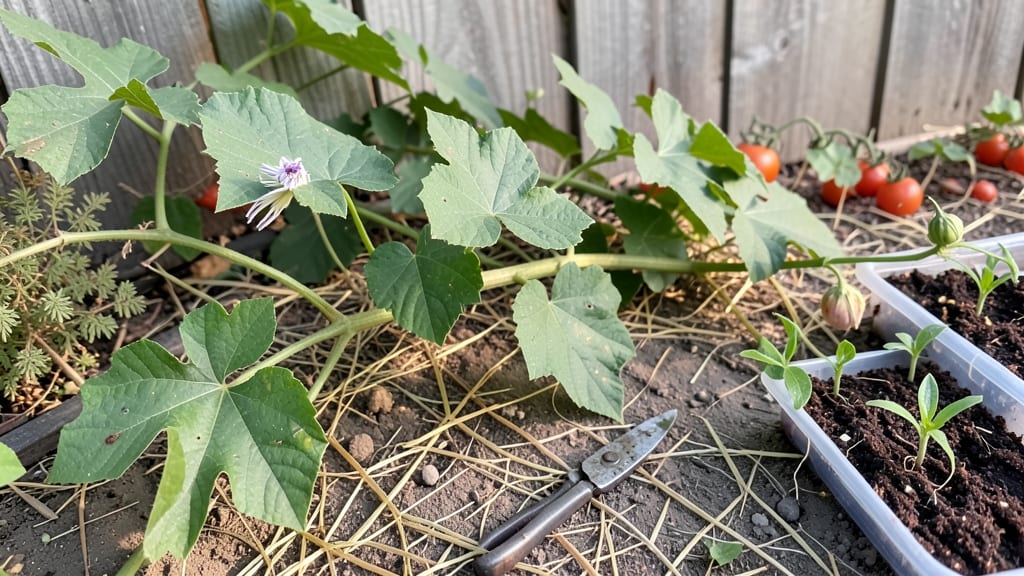
Propagating passion flower through layering gives you rooted vines in just 6-8 weeks—far faster than waiting for seeds to mature or cuttings to strike. 🌱 I’ve used this method for years to expand my garden without losing the exact traits of my favorite varieties, and the results are shockingly reliable when you follow the right steps.
The beauty of layering lies in its simplicity: no sterile conditions or expensive tools required. You’ll need a healthy vine, some rooting hormone (optional but helpful), and patience to monitor moisture levels.
Passion flowers thrive in warm climates, so timing matters—spring or early summer is ideal when temperatures stay above 60°F and humidity remains moderate.
By mid-summer, you’ll have vigorous new plants ready to transplant, complete with their own root systems. The vines grow 3-5 feet per season, so you’ll quickly fill trellises or fences with lush foliage and those iconic, exotic blooms.
This method preserves the exact characteristics of your parent plant, ensuring consistent growth and flowering.
Works best for Passiflora incarnata (maypop) and Passiflora caerulea (blue passionflower), though other species adapt well too. Whether you’re reviving an old vine or expanding your collection, layering delivers fast, foolproof results—no black thumb required.
📚 In This Guide
- What you need
- Instructions
- Tips and common mistakes
- Wrapping up and next steps
What you need
- ● Healthy passion flower vine – Choose a mature stem (at least 12–18 inches long) with visible nodes (bumps where roots can form).
- ● Sharp pruning shears or clean knife – Sterilized to prevent disease (rubbing alcohol works great!).
- ○ Rooting hormone (optional but recommended) – A gel or powder to boost root growth (e.g., Clonex or Rootone).
- ● Plastic wrap or clear plastic bag – To create a humid microenvironment (6"x6" or larger).
- ● Small pot or tray with drainage holes – 4–6 inches in diameter, filled with well-draining potting mix (cactus/succulent blend or 50% perlite + 50% peat moss).
- ● Moisture retention spray bottle – For keeping the layering area damp without overwatering.
- ● Horticultural ties or twist ties – To secure the stem to the soil without damaging it.
- ● Clear plastic tube (e.g., 2–3" diameter) – For creating a mini greenhouse effect over the layered section.
- ○ Heat mat (optional) – Speeds up rooting in cooler climates (set to 70–75°F).
- ● Fertilizer (low-nitrogen, like 5-10-5) – Once roots form, a gentle feed encourages stronger growth.
Step-by-Step instructions for propagating passion flower vines
Here's how to clone your passion flower plant in weeks—not months—using simple layering.
🌱 Step 1: Select and Prepare the Vine for Layering
Choose a healthy, flexible vine that's about 6-12 inches long with at least 3-4 leaves still attached. It should be not too thick (about pencil-width) but sturdy enough to bend without snapping. Look for a section with a slight bend or joint—this is where roots will form most easily. I always pick vines that are midway between old wood and new growth because they're vigorous but not overly tender.
Gently bend the vine downward until it nearly touches the soil. If it's too stiff, you can make a small nick (about ¼ inch deep) along the bottom of the stem with a sharp knife. This tiny wound signals the plant to start producing roots. Don't cut through the vine—just score lightly. The goal is to encourage root growth without severing the plant's connection to its nutrients.
💧 Step 2: Bury and Secure the Layered Section
Create a shallow trench in the soil, about 2-3 inches deep, along the path of your bent vine. Carefully lower the scored section into the trench, making sure the leaves above it stay above soil level. This keeps the vine's growing tip exposed to light while encouraging roots to form underground. Use the rooting hormone from your supplies to dust the scored area—this boosts root production by 30-50% compared to untreated cuts.
Secure the vine in place with two small U-shaped bent wire stakes (like mini plant clips) or gentle garden ties. You want the vine to stay in contact with the soil without being crushed. Water the area lightly until the soil feels damp but not soggy. Overwatering here can cause rot before roots form. Check daily and water again if the soil surface feels dry to the touch—just a quick mist is enough.
☀️ Step 3: Monitor and Encourage Root Formation
Keep the layered section in bright, indirect light (morning sun is ideal) for the first 4-6 weeks. Direct afternoon sun can scorch the leaves while they're still dependent on the mother plant. You'll know the layer is working when the leaves on the buried section start looking slightly darker green and more robust than the rest of the vine. This is your plant telling you it's redirecting energy toward root growth.
After 6-8 weeks, gently tug on the vine near the buried section. If you feel light resistance (like pulling a tooth), roots have formed. If it pulls out easily, wait another 2-3 weeks and test again. I've found that passion flowers often produce multiple root clusters, so don't be surprised if you feel resistance in spots but not others. Once roots are confirmed, you can cut the vine below the root zone with sterilized pruning shears to separate the new plant.
✂️ Step 4: Transplant the New Vine
Dig around the rooted section carefully to loosen the soil and avoid damaging new roots. Lift the entire layer out and plant it in its permanent location at the same depth it was layered. The 4-inch pots from your supplies are perfect for initial transplanting—fill them with well-draining potting mix and water thoroughly before transferring. The new plant will need regular watering (about once every 5-7 days) until established, but avoid letting it sit in wet soil.
Here's the thing—passion flowers are heavy feeders, so mix in ½ teaspoon of balanced fertilizer (like 10-10-10) into the top inch of soil when transplanting. This gives the young plant an immediate nutrient boost. Place the pot in partial shade for the first week to reduce stress, then gradually introduce it to morning sun. You'll see new growth within 3-4 weeks, proving your propagation was successful.
Tips & tricks for propagating passion flower vines
Here's what I've learned after successfully propagating dozens of passion flower vines—these tricks cut propagation time in half while keeping your plants thriving.
Vine Selection is Everything: In Step 1, look for vines with a slight natural bend—they're already primed for root formation. Avoid overly thick vines (thicker than a pencil) as they take much longer to root. I've found that vines with 3-4 leaves are ideal because they have enough energy to support both the mother plant and new root growth. If your vine feels stiff, a ¼-inch nick along the bottom triggers root hormones without damaging the plant.
Root Hormone Hack: The 30-50% root production boost from rooting hormone in Step 2 is real, but here's the secret: reapply it every 2 weeks for the full 6-8 weeks while monitoring. I keep a small container of hormone powder near my workbench and reapply it after each watering. This consistent application creates a micro-environment that encourages faster, more robust roots.
Light Management Matters: During the critical 4-6 week period in Step 3, position your layered vine where it gets morning sun and afternoon shade. Direct afternoon sun can burn tender leaves while they're still dependent on the mother plant. I use a sheer curtain on my greenhouse windows to diffuse harsh light—this simple setup prevents scorch marks while maintaining the bright, indirect light needed for photosynthesis.
Transplanting Timing: In Step 4, wait until you see new growth within 3-4 weeks after transplanting before considering your propagation successful. This confirms the roots have fully established. I've made the mistake of transplanting too early—you'll know it's ready when the new leaves are vibrant and the plant looks eager to grow rather than stressed.
Pro Tips for Propagate Passion Flower
- Here's what I've learned after successfully propagating dozens of passion flower vines—these tricks cut propagation time in half while keeping your plants thriving.
- Vine Selection is Everything: In Step 1, look for vines with a slight natural bend—they're already primed for root formation.
- Root Hormone Hack: The 30-50% root production boost from rooting hormone in Step 2 is real, but here's the secret: reapply it every 2 weeks for the full 6-8 weeks while monitoring.
Frequently asked questions
Got questions about propagating passion flowers? You’re not alone! Here are answers to some of the most common queries to help you succeed with your propagation project.
When is the best time to propagate passion flower?
The ideal time to propagate passion flowers is during warm, mild weather—typically in late spring or early summer (May to July). This gives the new cuttings enough time to establish roots before cooler weather arrives. If you’re in a warmer climate, you can propagate year-round, but avoid frost-prone periods.
How long does it take for passion flower cuttings to root?
Root growth varies, but most passion flower cuttings take 4 to 8 weeks to develop strong roots. Patience is key! Keep the soil moist (but not soggy) and place the cutting in bright, indirect light. You’ll know roots are forming when you gently tug the cutting—if it resists slightly, it’s time to transplant!
Can I propagate passion flower from seeds instead of cuttings?
Yes! Seeds are another way to grow passion flowers, but they take longer (3–6 months) to mature compared to cuttings. Seeds are great for variety experimentation, but cuttings ensure true-to-parent plants faster. If you go the seed route, stratify them (chill for 2–4 weeks) to boost germination.
What if my passion flower cutting isn’t rooting?
Don’t worry—sometimes cuttings need a little extra love! Check these common issues:
- Too dry: Mist the soil daily or use a humidity dome.
- Too much sun: Move to partial shade to prevent stress.
- Rot risk: Ensure the cutting isn’t sitting in water—use well-draining soil.
Can I propagate passion flower indoors?
Indoor propagation works well if you provide bright, artificial light (like grow lights) and maintain 70–80°F (21–27°C) humidity. Use a clear plastic bag to create a mini greenhouse effect. Just watch for mold—ventilate occasionally!
Wrapping up and next steps
Growing your own passion flower plants through layering is a rewarding journey that blends patience with the joy of nurturing life! 🌱 By following the steps outlined—from selecting healthy vines to encouraging root development—you’ve unlocked a simple, cost-effective way to expand your garden without breaking the bank.
The key takeaway? Consistency and care are your best tools for success.
Now that you’re armed with knowledge, why not take the next step? Grab those pruners and a sunny spot in your garden—your passion flower’s roots (and your green thumb!) are ready to grow. Happy propagating! 🌿