
Vegetables
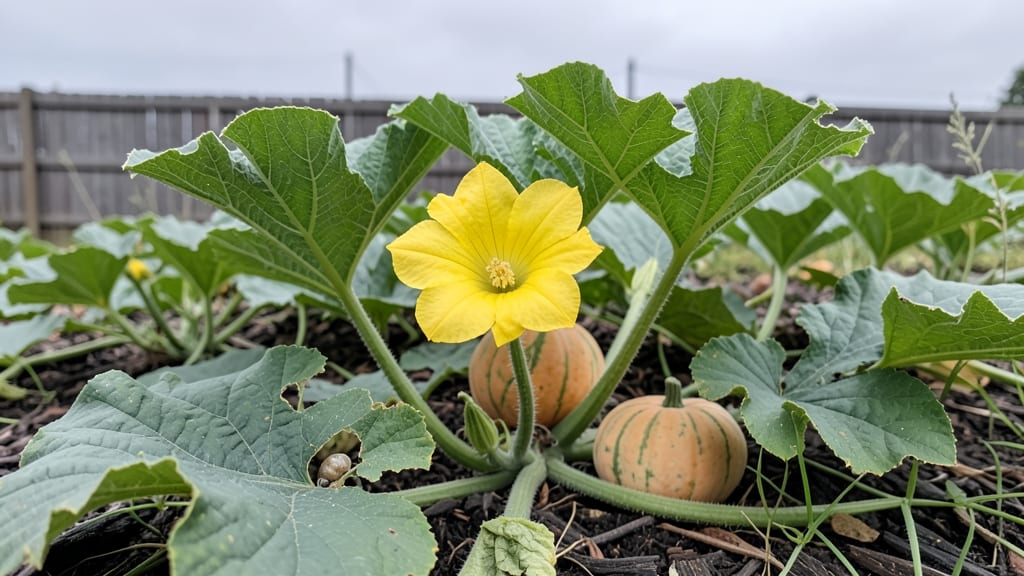
Those pumpkin yellow flowers you spot on your vines aren’t just pretty—they’re the secret to a bumper crop 🎃.
Did you know your pumpkin vines are hiding a secret weapon for massive harvests? Those vibrant yellow flowers aren’t just pretty—they’re the key to growing the biggest, healthiest pumpkins. Here’s how to spot them and turn your garden into a pumpkin powerhouse.
But here’s the catch: not all yellow blooms lead to fruit. Male flowers show up first and are all show, while female flowers—with their tiny pumpkin bumps at the base—are the real game-changers. Miss this distinction, and you might end up with flowers but no pumpkins.
In this guide, I’ll walk you through how to identify those critical female flowers, boost their numbers with simple tricks, and avoid common mistakes that waste your blooms. Ready to turn those yellow flowers into a harvest?
How to identify pumpkin yellow flowers and their growth stages
Those cheerful pumpkin yellow flowers are your first clue that your plants are thriving—and soon, you'll have pumpkins to match. But not all blooms are created equal. The male flowers appear first, while the female flowers (the ones that turn into fruit) come later.
Knowing the difference helps you boost your harvest. Let's break down how to spot them and track their growth stages.
First, focus on the flower structure. Male flowers grow on long, slender stems with no swelling at the base. Female flowers, however, have a tiny pumpkin bump (the future fruit) behind the bloom.
This bump is your golden ticket to bigger harvests—it means the flower is fertile and ready for pollination.
Timing matters too. Your pumpkin plants will start blooming 4-6 weeks after germination, with male flowers opening first. They typically bloom in the morning and wilt by afternoon, while female flowers last longer. Watch for this pattern to time your pollination efforts perfectly.
Healthy flowers are bright yellow-orange with no brown spots or wilting. If you notice diseased flowers (like powdery mildew or black spots), remove them immediately to protect your plants. A few bad blooms can weaken the whole vine, so stay vigilant.
Here’s how to distinguish between healthy and unhealthy flowers at a glance:
| Feature | Healthy Male Flower | Healthy Female Flower | Diseased Flower |
|---|---|---|---|
| Color | Bright yellow-orange | Bright yellow-orange | Dull yellow with spots |
| Stem | Long, slender stem | Shorter stem with small bump | Soft, wilting stem |
| Base | No swelling | Pumpkin bump (future fruit) | Discolored or mushy base |
| Petals | Firm, no tears | Firm, no tears | Crispy or spotted petals |
| Bloom Time | Morning only | Morning to afternoon | Wilts early or stays closed |
| Action | Let pollinate naturally | Hand-pollinate if needed | Remove immediately |
Now that you can spot the flowers, let’s talk growth stages. After the female flower is pollinated, the pumpkin bump will swell into a tiny fruit within 24-48 hours. This is when your plant is investing energy into growth—so keep it well-watered and fed with a balanced fertilizer like 10-10-10.
Watch for flower drop, a common issue where blooms fall off without setting fruit. This often happens due to heat stress (above 90°F) or nutrient deficiencies.
If you see this, shade your plants with floating row covers and add compost to the soil. A little extra care here can save your harvest.
By 6-8 weeks after flowering, your pumpkin vines will be heavy with fruit. This is when you’ll need to support the vines with trellises or straw mulch to prevent breakage. Keep an eye on the largest pumpkins—they’ll need the most attention to grow big and strong.
Pro tip: Hand-pollinate female flowers by transferring pollen from male flowers with a paintbrush. This is especially helpful if bees are scarce or weather is harsh. A little extra effort here means more pumpkins on the vine!
Finally, monitor for pests like squash vine borers or diseases like powdery mildew. Healthy flowers mean healthy plants, so act fast if you see signs of trouble. With these tips, you’ll be a pumpkin-growing pro in no time.
7 Proven techniques to encourage more pumpkin yellow flowers
Those bright pumpkin yellow flowers aren't just decorative—they're the foundation of your harvest. When you see more of them, you'll know your plants are thriving and ready to produce bigger, healthier pumpkins.
The secret lies in understanding what your pumpkins need to bloom abundantly, from nutrient-rich soil to strategic pruning techniques. Let's dive into seven science-backed methods that will transform your garden into a pumpkin powerhouse.
First, recognize that pumpkin flowering is heavily influenced by environmental factors and plant care. Many gardeners unknowingly create conditions that stifle blooms—like overwatering or poor sunlight exposure. But with the right approach, you can coax your vines into producing double the flowers in just a few weeks.
Start by optimizing your soil health, as nutrient deficiencies often lead to sparse blooms. Then, we'll explore how pollination assistance and pruning strategies can give your flowers the boost they need to thrive.
- 1 Optimize Soil Nutrients: Test your soil and amend with compost and a balanced fertilizer (10-10-10). Pumpkins need phosphorus for root and flower development. Aim for a pH of 6.0-6.8.
- 2 Prune Strategically: Remove suckers (side shoots) to redirect energy to main vines and flowers. Prune in the morning to avoid stressing the plant.
- 3 Hand-Pollinate Flowers: Use a paintbrush to transfer pollen from male flowers (long stems) to female flowers (tiny pumpkin at base). Do this on cloudy mornings when bees are less active.
- 4 Water Deeply and Consistently: Provide 1-2 inches of water every 3-5 days, focusing on the root zone. Avoid wetting leaves to prevent fungal diseases like powdery mildew.
- 5 Provide Full Sun Exposure: Ensure your pumpkins get 6-8+ hours of direct sunlight daily. Shade cloth or nearby structures can reduce flower production by up to 50%.
- 6 Use Mulch for Moisture Retention: Apply straw or grass clippings around the base to keep soil cool and moist. This encourages root growth and supports flowering.
- 7 Remove Overripe Fruits: If a pumpkin develops rot or pests, remove it immediately. This prevents the plant from wasting energy and redirects it to new flowers and healthier fruits.
One of the most overlooked techniques is hand-pollination. While bees do an excellent job, they can't always reach every flower, especially in shady or windy conditions.
By using a small paintbrush, you can manually transfer pollen from male flowers (which appear first and have long stems) to female flowers (identified by a tiny pumpkin at their base). This method is particularly useful in greenhouses or urban gardens where natural pollinators are scarce.
Don’t underestimate the power of pruning. Many gardeners avoid pruning pumpkins, fearing it will reduce yields. However, strategic pruning—removing suckers (small shoots that grow from the stem) and yellowing leaves—can actually boost flower production.
Focus on keeping the main vines healthy and removing any growth that competes for nutrients. Prune in the early morning to minimize stress on the plant and allow it to recover quickly.
Finally, pay close attention to your watering schedule. Pumpkins need consistent moisture, especially during flowering and fruiting. Water deeply at the base of the plant in the morning to encourage strong root development and prevent fungal diseases.
Avoid overhead watering, which can lead to powdery mildew—a common issue that weakens plants and reduces blooms. Mulching around your pumpkins can also help retain moisture and keep the soil temperature stable, creating ideal conditions for flower production.
With these seven techniques, you’ll see a noticeable increase in pumpkin yellow flowers within weeks. Remember, the key is consistency—whether it’s maintaining soil health, providing optimal sunlight, or assisting with pollination.
Your garden will soon be bursting with vibrant blooms, setting the stage for a record-breaking pumpkin harvest