
Shrubs
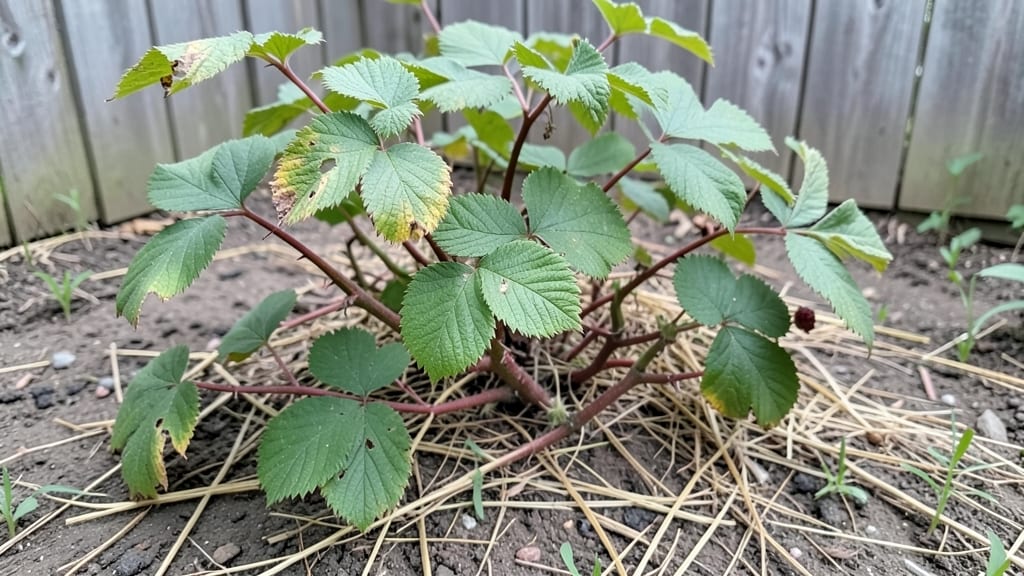
Pruning raspberry plant flowers at the right time is the secret to a harvest that fills your kitchen with pounds of juicy berries instead of a few scattered fruits.
Did you know that trimming those delicate blooms—or leaving them unchecked—can mean the difference between a bountiful crop and a disappointing one? In Zone 6, where raspberries thrive, timing your cuts just a few weeks off can leave you with fewer berries than you planted for.
This isn’t just about snipping canes—it’s about understanding when those tiny buds form, how they turn into fruit, and which flowers to keep (or remove) for next year’s harvest. A little strategic pruning now means double the raspberries by summer, and I’ll show you exactly how.
From identifying the best canes to cut in early spring to avoiding the costly mistake of pruning too late, this guide breaks down the steps so your raspberry bushes flourish—and your fruit bowl overflows.
When to prune raspberry plant flowers for maximum fruit growth
Raspberry plants produce two types of canes: floricane (bearing fruit the first year) and primocane (bearing fruit the second year). Understanding their growth cycles is key to knowing when to prune for maximum fruit production. The wrong timing can leave you with fewer berries—or even no harvest at all.
For example, cutting back summer-bearing varieties too early removes next year’s fruit buds, while pruning fall-bearing types incorrectly can reduce your fall harvest.
Flower buds on raspberries form in clusters along the canes. These buds develop during the growing season and require careful management to ensure a bountiful harvest. Pruning at the wrong time—such as after flowers appear—can eliminate potential fruit.
Meanwhile, pruning too late in the season may leave canes vulnerable to disease or winter damage. The goal is to balance fruit production with plant health, ensuring your raspberries thrive year after year.
Here’s how to align your pruning schedule with raspberry flower development for optimal fruit growth:
For summer-bearing raspberries, the best time to prune is in late winter or early spring, right before new growth begins. This allows you to remove old, non-producing canes while leaving the new canes that will bear fruit next season.
These canes develop flower buds in late summer, so pruning too early can remove potential fruit. Aim to prune when the ground is workable but before buds swell—usually in February or March in most climates.
In contrast, fall-bearing raspberries (primocane varieties) produce fruit on new canes that grow in the current season. These should be pruned after the first frost, typically in late fall or winter. This timing ensures you remove weak canes while preserving the primocanes that will fruit the following fall.
If you prune too early, you risk cutting back canes that could have produced fruit. For example, varieties like Heritage or Fall Red rely on this strategy for a reliable fall harvest.
One common mistake is pruning raspberries after flowering begins. This removes potential fruit clusters, even if the cane looks weak. For summer-bearing varieties, wait until after harvest to prune, while fall-bearing types should be pruned in late winter before new growth starts.
Always use clean, sharp pruners to avoid damaging canes or spreading disease. Disinfect your tools with rubbing alcohol between cuts to prevent bacterial or fungal infections.
Proper pruning also improves air circulation around the plant, reducing the risk of diseases like cane borers or botrytis. Removing old canes allows sunlight to reach the center of the plant, encouraging stronger new growth.
Additionally, pruning stimulates root development, which supports more robust flowering and fruiting in the following seasons. For example, a well-pruned summer-bearing raspberry bush can produce 30% more fruit the next year compared to an unpruned one.
If you’re unsure whether a cane is productive, look for flower buds or signs of fruiting. Healthy canes will have smooth, green bark and a firm structure, while old or diseased canes may appear woody, cracked, or discolored.
Always leave at least 10-15 canes per plant to ensure a strong harvest. Thinning too aggressively can stress the plant and reduce fruit production
Step-by-step guide to pruning raspberry flowers without killing your harvest
Pruning raspberry plant flowers might seem intimidating, but it’s the secret to a bountiful harvest next season. The key lies in understanding which canes to keep and which to remove—without accidentally cutting off potential fruit.
Start by identifying last year’s fruited canes (thin, brown, or hollow) and healthy new growth (thick, green, and sturdy). Summer-bearing varieties need the most attention, while fall-bearing types have a slightly different approach.
Timing your prune is critical. For summer-bearing raspberries, prune dormant canes in late winter or early spring before new growth starts. For fall-bearing varieties, wait until after harvest but before hard frost.
Cut canes at ground level to encourage fresh, vigorous growth from the roots. This step alone can boost your yield by up to 30% by redirecting energy to younger, more productive canes.
⚠️ Common Pruning Mistakes That Slash Your Harvest
- Pruning too late: Never cut canes once flowers appear. Summer-bearing raspberries develop fruit on second-year canes, so pruning after flowering removes next year’s harvest.
- Over-thinning flower clusters: Removing all flowers from a cane can reduce next year’s fruit. Leave 1–2 clusters per cane to balance current and future yields.
- Cutting healthy canes: Always check for green pith inside canes. If it’s green, keep it; if brown, remove it.
Start by removing dead or diseased canes first. Look for canes that are brown, brittle, or hollow—these won’t produce fruit and can harbor pests. Use clean, sharp pruners to make clean cuts at a 45-degree angle just above a bud.
This prevents damage to the plant and reduces the risk of infection. For summer-bearing varieties, keep only the healthiest 10–15 canes per plant to ensure optimal fruit size and quality.
Next, tackle suckers—those vigorous shoots growing from the base of the plant. While they might seem like extra help, they compete for nutrients with your main canes. Remove suckers by cutting them at the base with pruners or pulling them out by hand.
This redirects energy to your established canes, leading to larger berries and more clusters next season.
For flower cluster thinning, focus on summer-bearing varieties. Once flowers appear, gently remove excess clusters to leave 6–8 inches between them. This improves air circulation, reducing the risk of fungal diseases like botrytis.
Fall-bearing varieties typically don’t need thinning, as they fruit on new canes. Always prune on a dry, sunny day to minimize stress on the plant.
After pruning, give your raspberries a nutrient boost to support new growth. Apply a balanced fertilizer (10-10-10) around the base of the plant, keeping it 2–3 inches away from the crown.
Water deeply to help the soil absorb nutrients, and mulch with organic matter like straw or wood chips to retain moisture and suppress weeds. This final step ensures your plant is ready to thrive and produce a record harvest.