
Plants
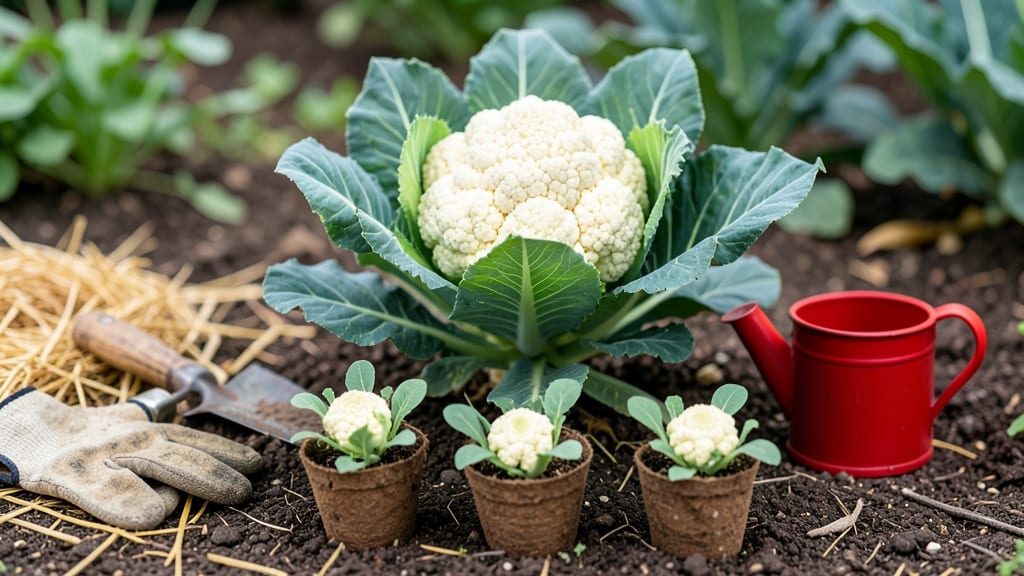
To plant cauliflower in Zone 9b, aim for late October through early November or January through early February—timing that sidesteps the brutal summer heat while catching the cooler months when 🥬 thrives.
Growing cauliflower in Zone 9b’s warm climate can be tricky—plant too early, and the heat ruins your crop; too late, and pests or drought take over. Timing is everything for juicy, pest-free heads.
Most gardeners in Phoenix and similar desert areas miss the mark by planting too late in spring, only to watch their seedlings bolt under the relentless sun. The key? Start seeds indoors 8-10 weeks before your target window, then transplant when soil temps dip below 75°F.
Below, I’ll walk you through the exact frost-free deadlines, soil prep secrets, and heat-beating strategies that keep your cauliflower happy from seed to harvest—no guesswork, just perfect heads every time.
Zone 9b cauliflower planting calendar: exact months for fall and spring harvests
Cauliflower thrives in Zone 9b when planted during cool seasons, avoiding summer’s scorching heat. Unlike cooler climates, your frost-free windows are short—just 4-6 months—so precise timing is critical. Fall and winter plantings yield the best results, with harvests spanning February to June, depending on when you start.
Zone 9b’s microclimates (like coastal vs. desert areas) shift planting deadlines by 2-3 weeks. Coastal regions can plant slightly later, while inland areas must start earlier to escape summer heat. Soil temperatures below 75°F are ideal for germination, while air temps above 85°F stress seedlings.
Use these windows to maximize your crop’s potential.
For fall harvests, plant late October to early November for heads ready by February-April. This timing ensures plants mature before summer heat arrives. For spring harvests, sow seeds in January to early February for crops ready by April-June.
Both strategies avoid the 100°F+ summers that cause bolting or bitter flavors.
Start seeds indoors 4-6 weeks before transplanting to give seedlings a head start. Use biodegradable pots to avoid root disturbance when moving to the garden. Harden off seedlings by gradually exposing them to outdoor temps for 1-2 weeks before planting.
This step is crucial in Zone 9b’s fluctuating microclimates, where sudden heat spikes can shock young plants.
Direct-sow seeds 1/4 inch deep in well-draining soil with a pH of 6.0-7.0. Space seedlings 18-24 inches apart to allow airflow and prevent disease.
In coastal Zone 9b, you can push the envelope by planting in late September, but always have 30% shade cloth ready to deploy if temps rise above 80°F.
Monitor soil moisture closely—drought stress causes bitter flavors and stunted growth. Mulch with straw or wood chips to retain moisture and regulate soil temps. In desert microclimates, water deeply every 2-3 days during head formation, as cauliflower needs consistent hydration to develop tight, uniform heads.
Watch for heat stress signs like yellowing leaves or premature bolting. If temps exceed 85°F for 3+ days, provide afternoon shade with a lightweight shade cloth.
Heat-tolerant varieties like ‘Purple of Sicily’ or ‘Snowball Y Improved’ handle Zone 9b’s extremes better than standard types, but even they need protection during peak summer.
Extend your harvest window by succession planting every 2-3 weeks during your 4-month frost-free period. This staggered approach ensures a steady supply of fresh cauliflower from February through June.
Save seeds from your best heads for next season—cauliflower seeds thrive in Zone 9b’s mild winters if stored properly.
Plan for post-harvest care too. After cutting heads, leave 6-8 inches of stem to allow side shoots to form. These smaller heads (called curds) are just as delicious and extend your harvest by 2-4 weeks. In Zone 9b’s long growing season, this tactic maximizes your garden’s productivity.
How to extend cauliflower season in Zone 9b: shade cloth, succession planting, and heat-tolerant varieties
Zone 9b’s scorching summers make growing cauliflower a challenge, but with the right strategies, you can enjoy fresh heads year-round. The key is combining heat-tolerant varieties, shade protection, and succession planting to beat the heat.
I’ve learned that timing shade cloth and choosing the right plants can extend your harvest window by 3-4 months compared to traditional methods.
Start by selecting heat-resistant varieties like ‘Purple of Sicily’ or ‘Snowball Y Improved’, which handle warmer temperatures better than standard types. These varieties also produce vibrant purple or yellow heads, adding visual appeal to your garden.
Pair them with shade cloth (30-50%) to protect young plants from intense afternoon sun, which can cause bolting.
- Reduces soil temp by 10-15°F during peak heat
- Prevents bolting in summer plantings
- Extends harvest window by 4-6 weeks
- Requires proper ventilation to avoid fungal issues
- Must be removed during cooler months to prevent overheating
- Increases labor costs for setup/removal
- Ensures continuous harvest from fall to spring
- Reduces pest pressure by staggering plant ages
- Maximizes garden space year-round
- Requires frequent watering for young seedlings
- Demands consistent soil prep for each batch
- May overwhelm small gardens
For succession planting, start your first batch in late October when soil temperatures drop below 75°F. Then, plant every 3-4 weeks until early February. This staggered approach ensures you always have mature plants ready for harvest while younger ones establish.
Use drip irrigation to maintain consistent moisture, which is critical in Zone 9b’s dry climate.
When using shade cloth, install it in late afternoon once temperatures exceed 85°F. Remove it completely by November 1st to allow plants to harden off for winter.
I’ve found that 50% shade cloth works best—it filters enough light to prevent bolting while still allowing photosynthesis. Pair this with mulching to keep roots cool and retain moisture.
Don’t overlook organic pest control when extending your season. In Zone 9b, cabbage loopers and flea beetles thrive in warm weather. Use neem oil sprays every 10-14 days and introduce beneficial nematodes to the soil.
I’ve had the most success with row covers during the hottest months, which also double as extra shade protection.
With these techniques, you can enjoy cauliflower harvests from December through June, even in Zone 9b’s challenging climate. The secret lies in balancing heat tolerance, shade protection, and staggered plantings—each strategy supports the others for a thriving, extended-season crop. 🥬