
Trees
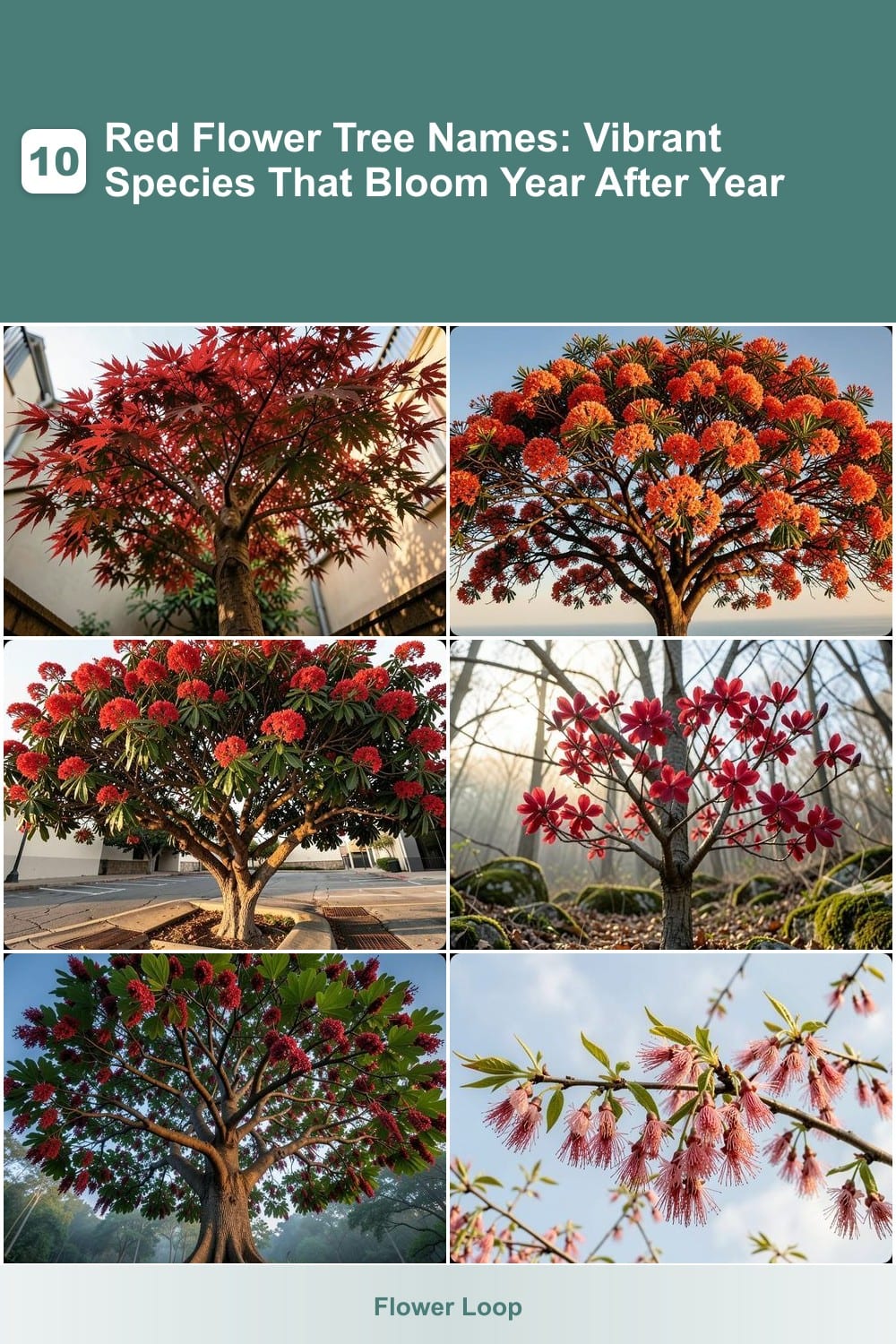
Transform your garden into a fiery display with these stunning red-flowering trees. Their vibrant blooms attract pollinators, add seasonal color, and create breathtaking focal points that last for years with proper care.
Japanese Maple with Crimson Blossoms
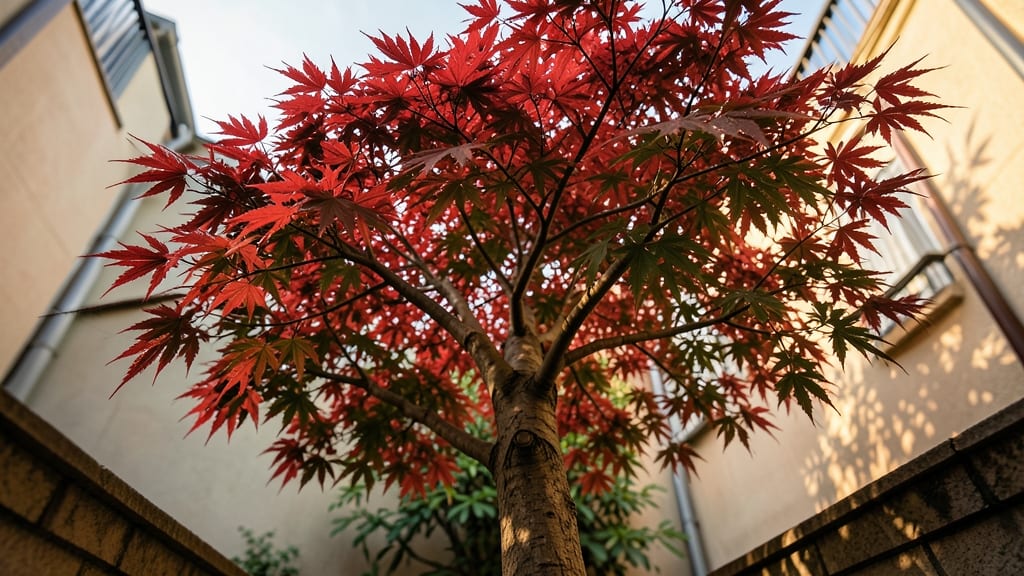
Transform your tiny patio or cozy courtyard into a springtime wonderland with the Japanese Maple with Crimson Blossoms. This enchanting tree packs a fairy-tale punch in a compact package, perfect for gardeners with limited space or urban balconies.
Thriving in partial shade to full sun, this deciduous beauty blooms with vibrant red flowers in spring before its delicate, lace-like foliage emerges. Its slow growth rate makes it ideal for containers—simply choose a pot with drainage and well-draining soil. Water consistently during its first year, then reduce to weekly deep waterings once established. Prune lightly after flowering to maintain shape.
With its dwarf varieties reaching just 6-10 feet tall, this tree is perfect for small gardens, fairy gardens, or even as a striking centerpiece on a deck. The romantic, whimsical atmosphere it creates makes it a favorite for weddings, photoshoots, and storybook-inspired landscapes. 🌷
Royal Poinciana Tree
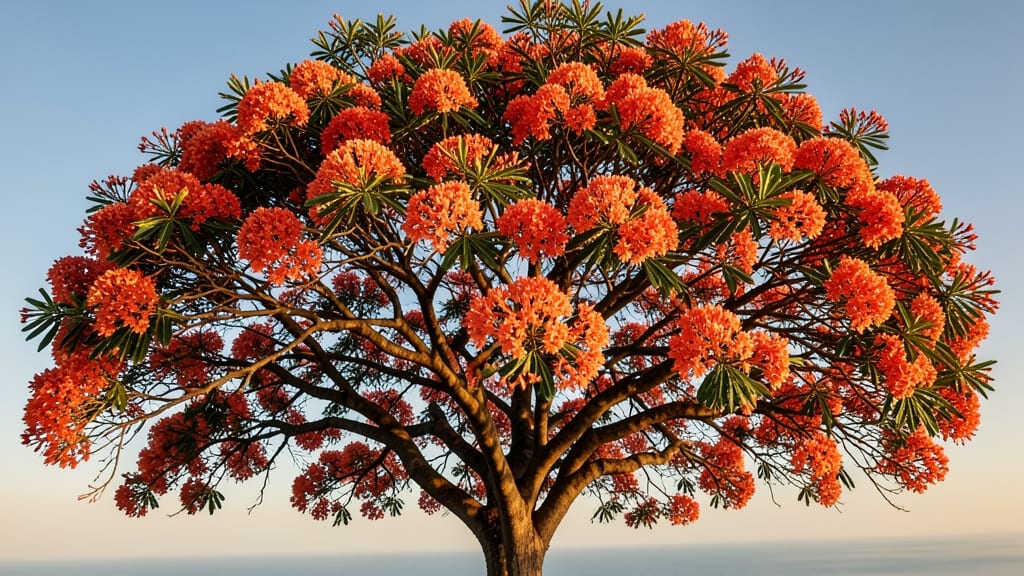
If you crave a dramatic summer spectacle, the Royal Poinciana Tree delivers with its fireworks-like red-orange blooms that cascade like molten gold. Native to tropical regions, this tree thrives in USDA zones 10-11, making it a standout for coastal gardens, Mediterranean climates, or even large containers in heat-tolerant areas.
Its fast growth (30-50 feet tall) and drought-resistant nature mean minimal fuss once established. Plant it in full sun with well-draining soil—it rewards you with 6-8 weeks of vibrant blooms starting in late summer. The feathery foliage turns golden in fall, adding seasonal interest.
Perfect for gardeners who want bold impact with low maintenance, this tree steals the show in tropical landscapes or as a striking focal point near pools or patios. Just be prepared for its messy seed pods—they’re a trade-off for its stunning display! ✨
Crape Myrtle with Fiery Red Flowers
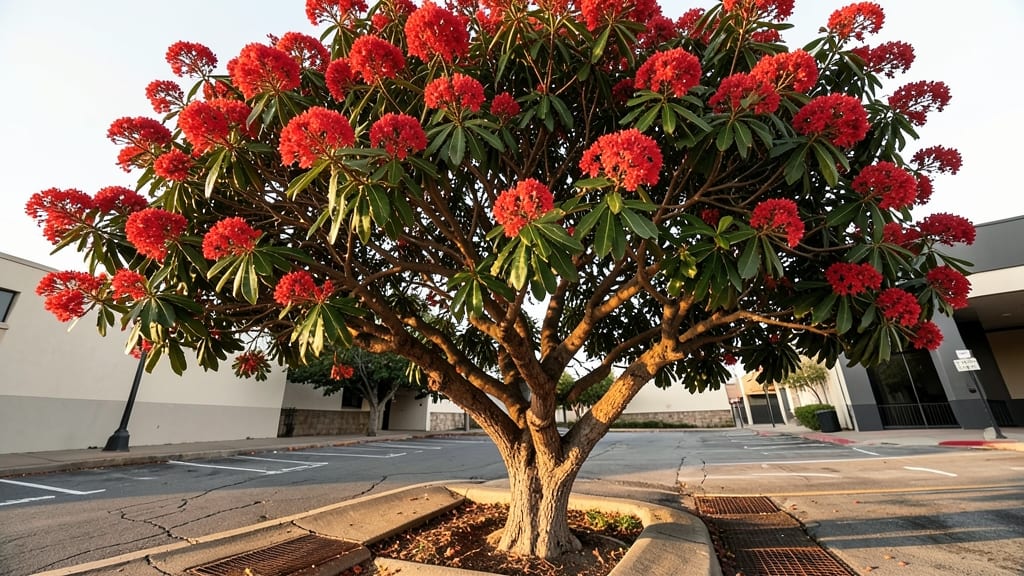
If you're looking for a red flower tree name that demands minimal effort but delivers maximum impact, the crape myrtle (Lagerstroemia) is your answer. Unlike tropical showstoppers or delicate maples, this hardy tree thrives in full sun and heat, making it perfect for urban landscapes where space and water are limited.
Crape myrtles bloom for 6-8 weeks (longer than many trees) with clusters of fiery red flowers, and their exfoliating bark adds winter interest. Plant in well-drained soil and prune lightly in late winter to shape—no fancy techniques required. These trees attract bees, butterflies, and hummingbirds, turning your yard into a pollinator paradise.
Urban gardeners and busy homeowners will love crape myrtles for their drought tolerance and low-maintenance nature. Just give it room to grow (10-25 feet, depending on variety) and watch it transform your space into a vibrant summer spectacle. 🌻
Cornus Florida Red Flowering Dogwood
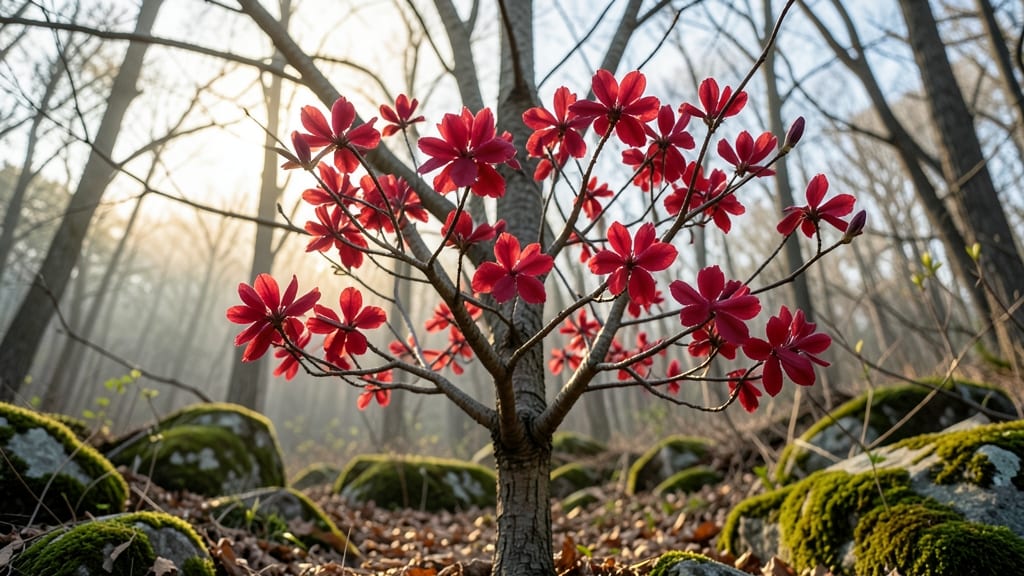
If you're designing a woodland garden or want to support local wildlife, the Cornus florida (Red Flowering Dogwood) is a must-have. This native North American tree bursts into iconic four-petaled red blooms in early spring—often before its leaves even appear—creating a stunning contrast against bare branches.
Thriving in USDA zones 5-9, it prefers partial shade and moist, well-draining soil, making it perfect for understory planting or woodland edges. The white berries that follow attract birds, while its fall foliage turns vibrant red or purple, extending seasonal interest. Prune lightly after blooming to maintain shape and encourage healthy growth.
Ideal for gardeners who love native plants and want to create a wildlife-friendly landscape, this tree adds year-round beauty with minimal fuss. Its elegant form and early blooms make it a standout in shady gardens or as a focal point in naturalistic settings. 🌷
Royal Empress Tree
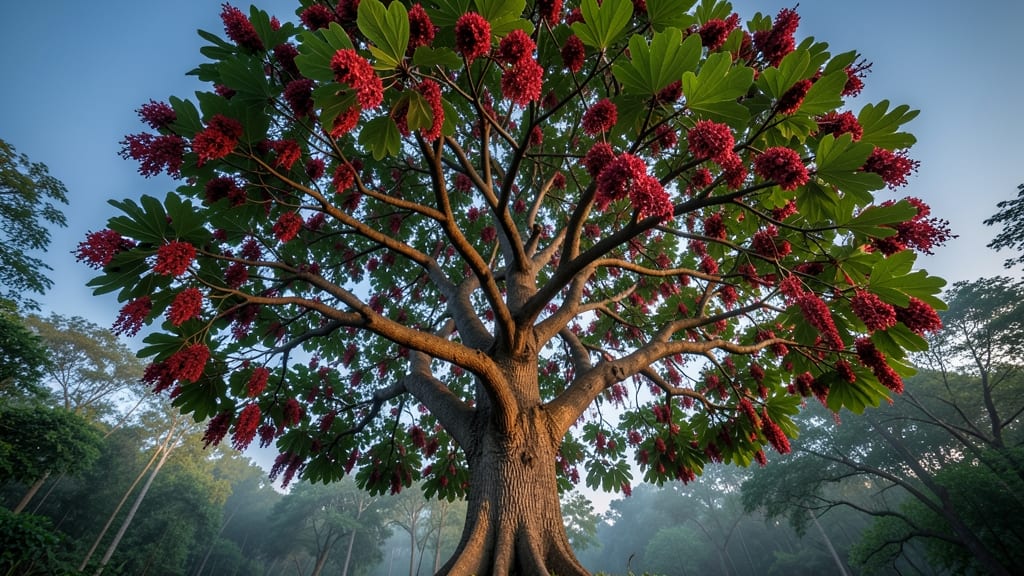
Need a dramatic shade provider that grows fast and delivers massive red flower clusters? The Royal Empress Tree (Paulownia tomentosa) is your answer—a towering giant that transforms any large landscape into a regal spectacle.
This fast-growing tree (up to 50 feet tall) thrives in USDA zones 4-9, making it versatile for temperate climates. Plant it in full sun with well-draining soil for optimal growth, and expect stunning red blooms in early spring before its large, heart-shaped leaves emerge. The flowers attract hummingbirds and bees, while its lightweight wood makes it a favorite for eco-friendly projects.
Ideal for gardeners with spacious yards or those designing grand landscapes, this tree offers quick shade and seasonal drama. Just be prepared for its aggressive root system—space it 30+ feet from structures! 🌟
Chinese Fringe Tree
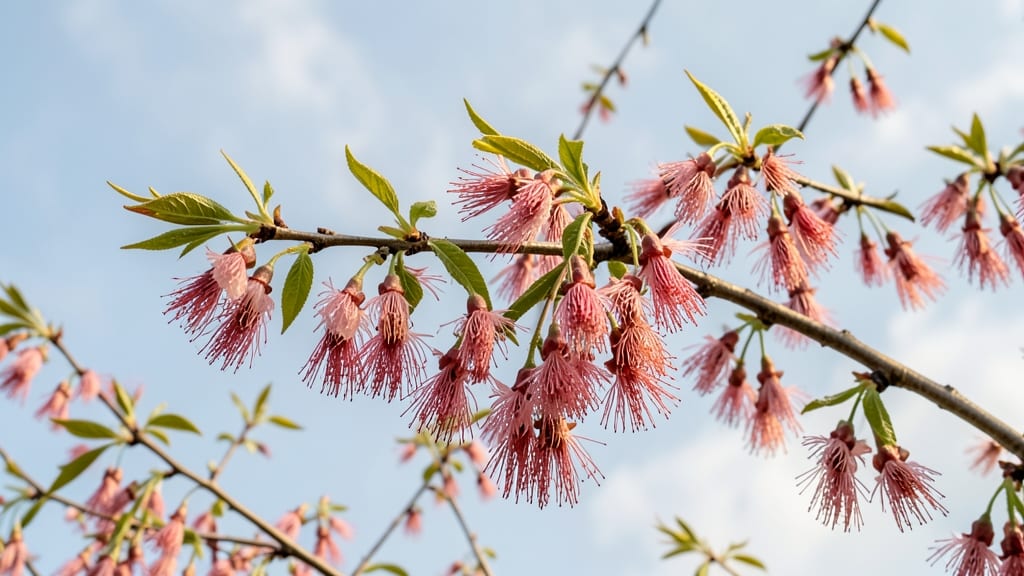
If you love fragrant blooms that add texture and movement to your garden, the Chinese Fringe Tree (Chionanthus retusus) is a hidden gem with delicate, fringe-like red flowers that appear in late spring. Unlike other red-flowering trees, its blooms resemble feathery tassels, creating a soft, romantic display that contrasts beautifully with its glossy green leaves.
This four-season workhorse thrives in USDA zones 4-8 and handles both sun and partial shade, making it versatile for borders, woodland edges, or as a specimen plant. Its fragrant flowers attract pollinators, while its fall foliage turns golden, and its exfoliating bark adds winter interest. Prune lightly after flowering to maintain shape—no heavy-handed work required!
Perfect for gardeners who want low-maintenance elegance with year-round appeal, this tree excels in cottage gardens, urban landscapes, or as a focal point near patios. Its unique blooms make it a standout for those who crave texture and fragrance without the fuss. 🌷
Red Buckeye Tree
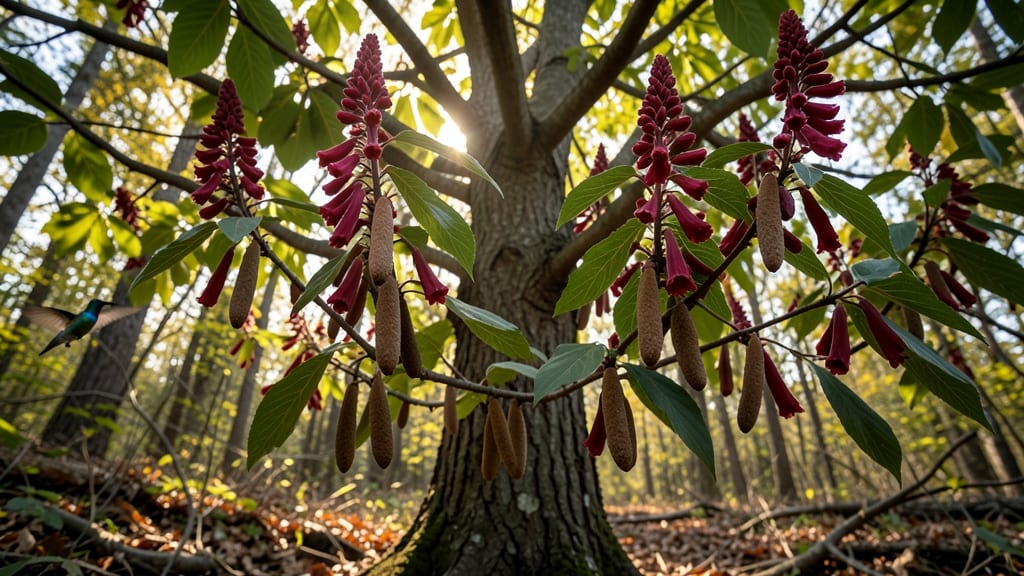
Looking for a native North American tree that offers more than just summer color? The red buckeye (Aesculus pavia) delivers striking red flower spikes in spring and unexpected winter interest with its unique seed pods—plus, it’s a hummingbird magnet all season long.
This understory tree thrives in USDA zones 4-9 and prefers partial shade to full sun, making it perfect for woodland gardens or as an underplanting for taller species. Its 6-inch-tall flower spikes appear in late spring, followed by spiky seed pods that persist through winter, adding texture to dormant landscapes. Just keep soil moist during its first year to establish strong roots.
Wildlife enthusiasts and native plant gardeners will love how this tree supports hummingbirds, bees, and butterflies—while adding year-round structure to your garden. It’s a true four-season performer that’s easy to grow and low-maintenance once established. 🌿
Hibiscus Syriacus with Deep Red Blooms
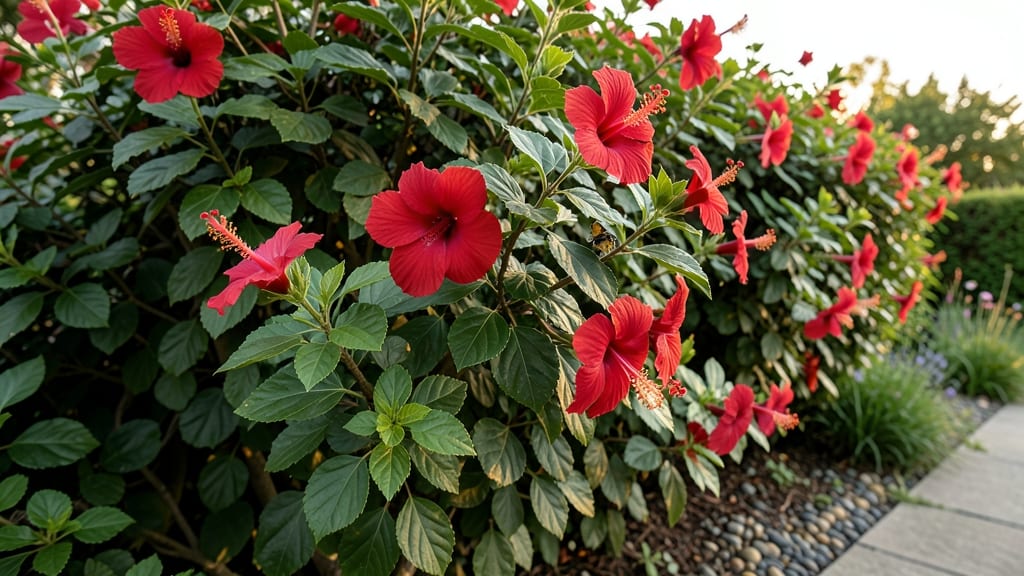
When you need a red flower tree name that doubles as a privacy screen, border plant, or pollinator magnet, look no further than Hibiscus syriacus. This hardy hybrid thrives in USDA zones 5-9, making it one of the most adaptable shrubs for temperate climates. Its deep red trumpet-shaped blooms appear in late summer and often last until frost, providing long-lasting color that butterflies and hummingbirds can't resist.
Unlike many trees, Hibiscus syriacus can be pruned into a tree-like form (up to 20 feet) or kept as a multi-stemmed shrub (8-12 feet) for hedges. Plant it in full sun to partial shade with moderately fertile soil—it tolerates urban pollution and drought once established. For extra blooms, prune in late winter to remove old wood and shape the plant.
Perfect for urban gardens, small yards, or pollinator-friendly landscapes, this versatile plant offers seasonal interest with its glossy foliage and occasional fall color. Gardeners who want low-maintenance structure with vibrant blooms will love its resilience and adaptability. 💚
Firecracker Tree
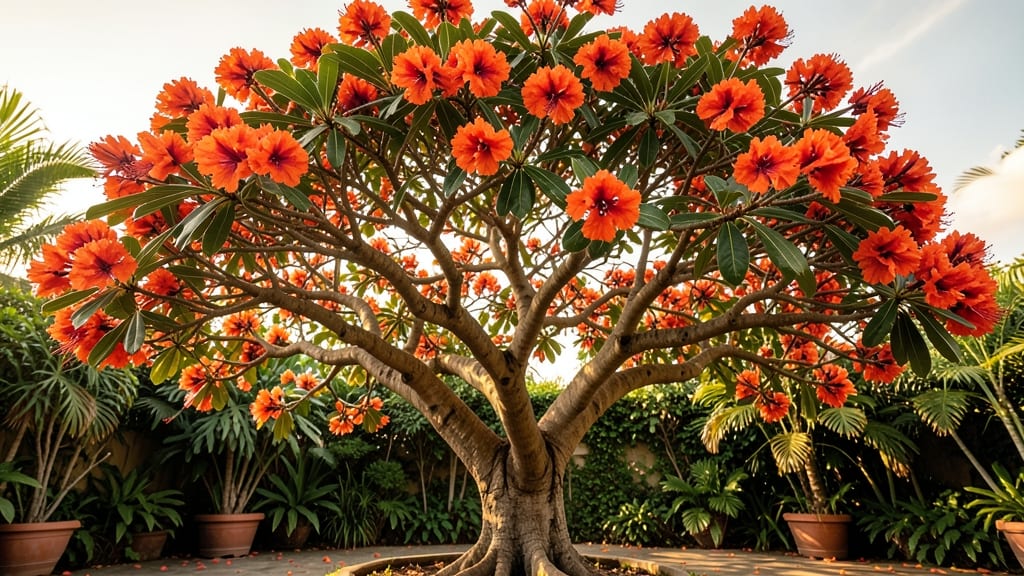
Bring the tropics to your patio with the Firecracker Tree (Delonix regia), a dazzling red-orange spectacle that blooms continuously from spring through fall. Unlike seasonal bloomers, this tree delivers nonstop color—perfect for warm climates (USDA zones 10-11) or large containers that can handle its 30-foot height and 20-foot spread.
Plant it in full sun with well-draining soil to encourage vibrant blooms, and water deeply but infrequently once established—its drought tolerance makes it a low-maintenance star. Prune lightly after flowering to maintain shape, and watch hummingbirds and bees flock to its bright, trumpet-shaped flowers. The glossy green leaves add lush contrast, while its dramatic, almost fiery display makes it ideal for focal points near pools, patios, or as a standalone container specimen.
Urban gardeners in warm climates or those with limited space will love this tree’s tropical flair—it’s the perfect way to add bold color without the upkeep of seasonal bloomers. Just be prepared for its aggressive growth and potential mess from fallen flowers! 🌻
Red Flowering Gum Tree
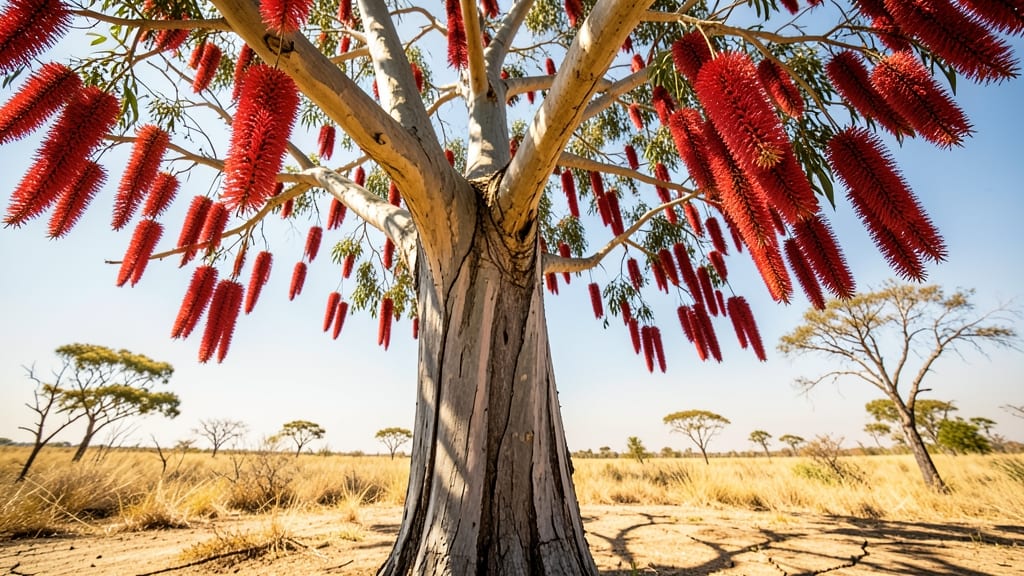
Bring a taste of the Australian outback to your landscape with the Red Flowering Gum Tree (Corymbia ficifolia), a standout with its bold red bottlebrush flowers that resemble fiery brushstrokes against the sky. Unlike most red-flowering trees, this eucalyptus relative thrives in dry, sunny climates (USDA zones 9-11) and delivers year-round interest—from its striking blooms in late winter to its peeling bark and silver-green foliage that shimmers in sunlight.
Plant it in well-draining soil with full sun for best results, and water deeply but infrequently—its drought-tolerant nature makes it perfect for water-wise gardens. Prune lightly after flowering to maintain shape, and watch as hummingbirds and nectar-feeding birds flock to its nectar-rich blooms. The tree’s colorful foliage and unique form also make it a stunning focal point in modern or Mediterranean-style landscapes.
Perfect for gardeners in warm climates who want low-maintenance drama, this tree adds textural contrast and seasonal color without the fuss of high-water plants. Its bold, architectural presence makes it ideal for large gardens, urban heat islands, or even as a striking container specimen in milder climates. 💚